Seoul Braces for Prolonged Energy Crisis: What It Means for You
South Korea prepares for a potential energy crisis due to rising tensions in the Strait of Hormuz. Learn what this means for global oil prices, supply chains, and your wallet.




South Korea prepares for a potential energy crisis due to rising tensions in the Strait of Hormuz. Learn what this means for global oil prices, supply chains, and your wallet.
South Korea is preparing for a potentially prolonged energy crisis, fueled by escalating tensions in the Strait of Hormuz. President Lee Jae-myung recently voiced concerns, painting a cautious picture of the economic fallout from the ongoing conflict in Iran and its impact on global energy supplies.
President Lee specifically highlighted the rising tensions around the Strait of Hormuz as a major cause for concern. He warned that it's difficult to be optimistic about the situation, suggesting that high oil prices and disruptions to global supply chains are likely to persist for the foreseeable future.
The Strait of Hormuz is a crucial waterway, a vital artery for global oil transport. Any disruption there sends ripples throughout the world economy.
This news matters to everyone, not just South Korea. The Strait of Hormuz is a critical chokepoint for global oil supplies. Disruptions there directly impact:
In our opinion, President Lee's warning is a prudent one. The situation in the Middle East is volatile, and the potential for further escalation is real. South Korea, like many other countries, is heavily reliant on imported energy. This makes it vulnerable to disruptions in global supply chains.
This situation underscores the urgent need for countries to diversify their energy sources and invest in renewable energy technologies. Relying solely on fossil fuels, especially from politically unstable regions, leaves nations susceptible to economic shocks.
The Iranian conflict adds another layer of complexity. International sanctions and geopolitical maneuvering around Iran heavily influence global oil flow. A miscalculation or escalation in hostilities could drastically affect global energy markets.
The future outlook remains uncertain, but here are some possible scenarios:
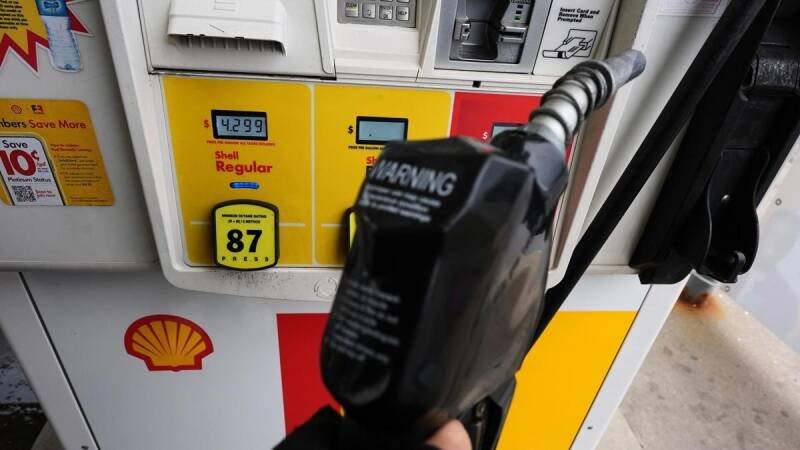
This could impact everyday citizens in the form of higher prices at the pump, increased utility bills, and potentially shortages of certain goods. It also puts more emphasis on the role of governments to mediate and stabilize an increasingly volatile energy market. Vigilance and adaptation will be critical in navigating the uncertainties ahead.
Ultimately, the key to mitigating the impact of this potential energy crisis lies in a combination of proactive government policies, responsible corporate strategies, and informed consumer choices. Investing in energy efficiency, supporting renewable energy development, and diversifying supply chains are all crucial steps.