Galveston College Presidential Search: Growth vs. Sustainability
Two finalists for Galveston College's presidency outline their visions. Will it be a focus on rapid growth or sustainable development? We analyze the potential impacts.



Two finalists for Galveston College's presidency outline their visions. Will it be a focus on rapid growth or sustainable development? We analyze the potential impacts.
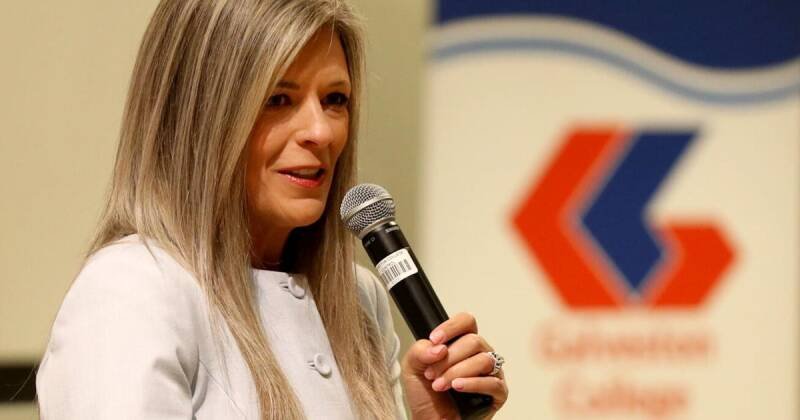
Galveston College is nearing a decision point, selecting its next president. Two finalists, Tracee Watts and Chris Sullivan, recently presented their visions for the college’s future at public forums. The central question: Should Galveston College prioritize rapid growth or focus on sustainable development and financial stability?
Tracee Watts currently works at Brazosport College as an executive focused on student success. Her presentation emphasized strategies to attract more students and improve student outcomes. Chris Sullivan, the current Chief Financial Officer, highlighted the importance of financial responsibility and sustainable growth strategies.
Watts articulated a plan for aggressive growth in student enrollment. This would involve targeted marketing campaigns, new program offerings, and enhanced student support services. She envisions Galveston College as a thriving hub for education and workforce development in the region.
Sullivan's presentation focused on building a strong financial foundation for the college. He emphasized responsible budgeting, diversified revenue streams, and strategic investments in infrastructure and technology. He believes a financially stable college can better serve its students and the community in the long term.
The choice between these two candidates represents a fundamental decision about the future direction of Galveston College. A focus on rapid growth, while potentially beneficial in the short term, could strain resources and compromise the quality of education. Conversely, a focus on sustainability may lead to slower growth but create a more stable and resilient institution.
This decision impacts students, faculty, staff, and the entire Galveston community. The next president will shape the college's academic offerings, student support services, and its role in the local economy.
In our opinion, both candidates offer valuable perspectives. Watts' emphasis on student success is crucial for attracting and retaining students. Sullivan's focus on financial stability is equally important for ensuring the college's long-term viability.
The key will be finding a balance between growth and sustainability. A purely growth-oriented strategy could lead to unsustainable debt and compromised quality. A purely sustainability-focused approach could stifle innovation and limit opportunities for expansion.
This choice reflects a broader debate in higher education. Many colleges are grappling with declining enrollment and increasing financial pressures. The decision made by Galveston College could serve as a model – or a cautionary tale – for other institutions facing similar challenges.
The board's decision will be crucial in shaping the future of Galveston College. Here are some possible outcomes:
This could impact the local economy, as Galveston College plays a significant role in training and educating the workforce. The college's ability to adapt to the changing needs of the job market will be essential for the region's economic success.
Ultimately, the success of Galveston College will depend on the next president's ability to lead with vision, integrity, and a commitment to serving the needs of its students and the community.