Noncitizen Voting in Pennsylvania: Fact vs. Fiction
A Pennsylvania official who investigated noncitizen voting says it's rare, despite hundreds registering. We break down the facts and what it means.



A Pennsylvania official who investigated noncitizen voting says it's rare, despite hundreds registering. We break down the facts and what it means.
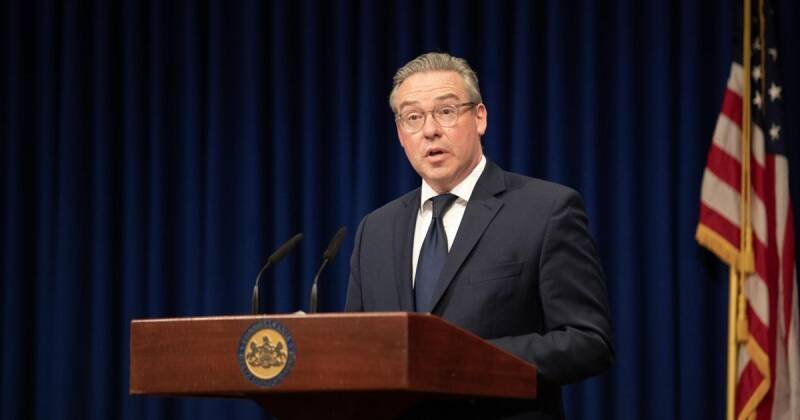
A recent report highlighted that hundreds of noncitizens had registered to vote and even cast ballots in Philadelphia, Pennsylvania. This news understandably raises concerns about election integrity. However, Al Schmidt, the Pennsylvania official who oversaw the investigation, emphasizes that the issue, while real, is far from widespread.
While the discovery of noncitizen voting is significant, it's crucial to put the numbers into perspective. Schmidt's investigation revealed hundreds of instances of noncitizens registering and voting, but this number represents a tiny fraction of the millions of votes cast in Pennsylvania elections. This suggests that while noncitizen voting exists, it's not a widespread phenomenon that significantly alters election outcomes.
It's also important to consider the context. Many noncitizens may register to vote unintentionally, often due to confusion about eligibility requirements. Language barriers and complex registration forms can contribute to these errors. In some cases, individuals may mistakenly believe they are eligible to vote because they hold a green card or have lived in the US for a long time.
Even though noncitizen voting appears to be rare, it's crucial to address the issue to maintain public trust in the electoral process. Any instance of ineligible voting undermines the integrity of elections and can fuel mistrust and division. Therefore, measures to prevent noncitizen voting, such as clarifying registration forms and improving voter education, are essential.
Furthermore, understanding the scope and nature of noncitizen voting is vital for informed public discourse. Exaggerated claims and misinformation can lead to unnecessary fear and anxiety, potentially undermining confidence in the democratic process.
In our opinion, while the discovery of noncitizen voting in Pennsylvania is a legitimate concern, it's crucial to avoid exaggerating the threat. Al Schmidt's perspective, as the official who led the investigation, provides valuable context and helps to temper alarmist narratives. The fact that hundreds of noncitizens registered to vote is not insignificant, but comparing it to the total number of votes cast highlights its relatively limited impact.
It's also important to consider the potential motivations behind the focus on noncitizen voting. In some cases, it may be used to justify stricter voting laws that could disproportionately disenfranchise legitimate voters. Therefore, it's crucial to approach this issue with nuance and avoid policies that could undermine access to the ballot box.
Looking ahead, several steps can be taken to further address the issue of noncitizen voting in Pennsylvania and elsewhere. These include:
This could impact the debate around voter ID laws. Advocates for stricter voter ID laws could use the issue of noncitizen voting to push for more stringent requirements, potentially making it more difficult for eligible citizens to vote. Conversely, opponents of such laws could argue that they are unnecessary and discriminatory, especially if noncitizen voting is shown to be a relatively rare occurrence.
Ultimately, addressing the issue of noncitizen voting requires a balanced approach that protects election integrity while ensuring that all eligible citizens have the opportunity to participate in the democratic process. It is crucial to base policies on facts and evidence, rather than on fear and misinformation.