No Political Bias in Farmer's Card Distribution: What It Means for You
The government assures fair distribution of Farmer's Cards with no political influence. Learn why this matters, our analysis, and the future outlook for agricultural support.
No Political Influence in Farmer's Card Distribution: What It Means for You
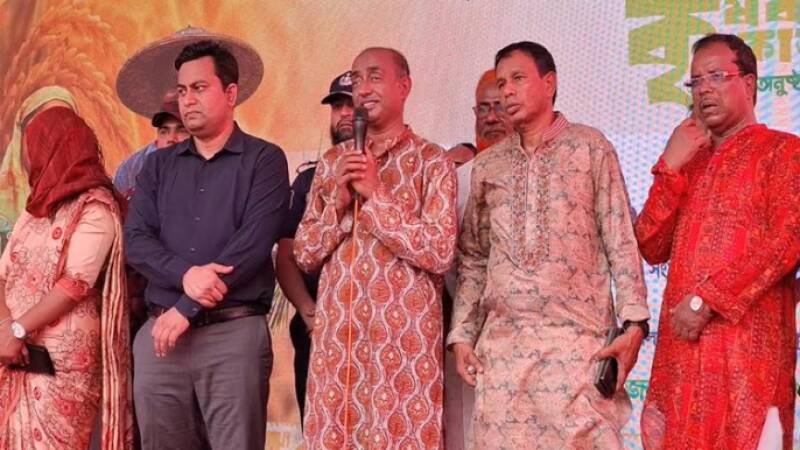
The government has reaffirmed its commitment to distributing Farmer's Cards fairly, assuring farmers that there is no political bias involved in the process. This announcement comes amid ongoing efforts to support the agricultural sector and ensure that resources reach those who need them most.
What is the Farmer's Card?
The Farmer's Card is a government initiative designed to provide farmers with access to subsidies, loans, and other forms of agricultural support. It aims to streamline the process of accessing these resources, making it easier for farmers to improve their productivity and livelihoods. Having a card enables easier access to fertilizers, seeds, and financial assistance from various financial institutions.
Government's Assurance
According to recent statements, the current government has been actively working to fulfill its electoral promises, including those related to agriculture. A key component of this is ensuring that the Farmer's Card distribution remains impartial and free from political influence. This assurance is vital for maintaining trust and ensuring that agricultural support reaches all eligible farmers, regardless of their political affiliation.
Why This News Matters
This news is significant because it directly affects the lives of millions of farmers who rely on government support to sustain their livelihoods. A fair and transparent Farmer's Card distribution system ensures that:
* **Resources are allocated effectively:** By removing political bias, support reaches those who genuinely need it, maximizing the impact of government investment in agriculture.
* **Trust in government initiatives is maintained:** When farmers believe the system is fair, they are more likely to participate in government programs and contribute to the overall agricultural development.
* **Agricultural productivity increases:** Access to subsidies and loans enables farmers to invest in better inputs and technologies, leading to higher yields and improved incomes.
Our Analysis
In our opinion, the government's commitment to a politically neutral Farmer's Card distribution is a positive step towards promoting sustainable agricultural development. However, the challenge lies in effectively implementing and monitoring the distribution process to prevent any form of corruption or favoritism at the ground level. The true test will be in the consistent and transparent application of the guidelines, ensuring every eligible farmer has an equal opportunity to benefit.
It's crucial to have robust monitoring mechanisms in place to identify and address any instances of political interference or corruption. This could involve independent audits, farmer feedback mechanisms, and strict penalties for those found to be violating the guidelines.
Future Outlook
The future of the Farmer's Card program depends on the government's continued commitment to transparency and accountability. This could impact the overall agricultural landscape by:
* **Enhanced agricultural productivity:** If the program is implemented effectively, it has the potential to significantly boost agricultural output and contribute to food security.
* **Improved farmer livelihoods:** Access to financial support can help farmers escape poverty and improve their living standards.
* **Increased investment in agriculture:** A successful Farmer's Card program can attract more investment in the agricultural sector, leading to further innovation and development.
In the coming years, we expect to see further refinements to the Farmer's Card program, with a focus on leveraging technology to improve efficiency and transparency. This could involve using mobile apps and digital platforms to streamline the application process, track the distribution of resources, and gather farmer feedback. Ultimately, the goal is to create a system that is not only fair and efficient but also accessible and user-friendly for all farmers. The government will likely need to reinforce anti-corruption measures and provide public access to distribution data.