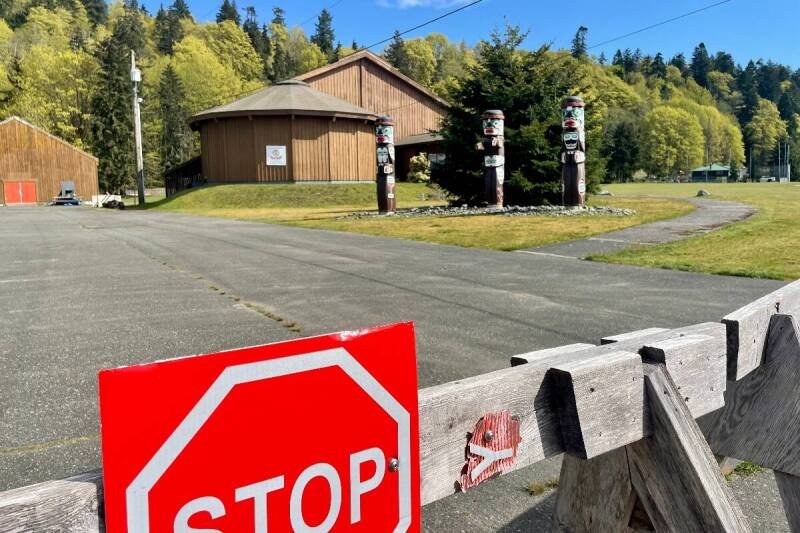
Discovery Islands Museum Closure: Financial Dispute and Indigenous Artifacts
The Discovery Islands Museum has closed due to a financial dispute with the We Wai Kai Nation. Learn about the implications for repatriated Indigenous artifacts and the future of cultural preservation.
Discovery Islands Museum Closes Amid Financial Dispute
The Discovery Islands Museum in Campbell River, British Columbia, has shut its doors due to a long-standing financial disagreement with the We Wai Kai Nation. This closure raises serious concerns about the future of the museum's collection, which includes repatriated Indigenous artifacts of significant cultural importance.
The Heart of the Dispute
The We Wai Kai Nation asserts that the museum has not adequately addressed concerns regarding the funding and management of the facility. While specific details of the financial disagreements have not been publicly disclosed, the Nation has stated that the closure stems from a prolonged clash over museum expenses.
Why This News Matters
The closure of the Discovery Islands Museum is significant for several reasons:
- Loss of Cultural Hub: The museum served as a vital center for preserving and showcasing the history of the Discovery Islands region, including the rich heritage of the We Wai Kai Nation.
- Concerns for Repatriated Artifacts: The fate of the repatriated Indigenous artifacts is now uncertain. These artifacts are not just objects; they are tangible links to the We Wai Kai Nation's ancestors and cultural identity. Their protection and appropriate care are paramount.
- Impact on Reconciliation: This dispute highlights the challenges that can arise in collaborative relationships between museums and Indigenous communities, especially when financial transparency and equitable partnerships are not effectively established.
- Wider Implications for Museums: It serves as a cautionary tale for other museums managing Indigenous artifacts, emphasizing the importance of building trust, respecting Indigenous sovereignty, and ensuring sustainable funding models.
Our Analysis
In our opinion, this situation underscores the critical need for museums to prioritize genuine collaboration with Indigenous communities. Repatriation of artifacts is only the first step. True reconciliation requires ongoing dialogue, shared decision-making power, and a commitment to financial transparency.
The lack of publicly available details regarding the specific financial discrepancies makes it difficult to assign blame definitively. However, the We Wai Kai Nation's perspective must be given considerable weight, given their inherent rights and the importance of their cultural heritage.
The Role of Funding
Sustainable funding models are crucial for the long-term viability of museums, especially those housing culturally sensitive artifacts. It's possible that inadequate funding contributed to the financial pressures that led to this dispute. This could impact other small museums and cultural centers that rely on grants and donations to operate.
Future Outlook
The future of the Discovery Islands Museum and its collection remains uncertain. Several potential outcomes are possible:
- Negotiated Settlement: The We Wai Kai Nation and the museum could reach a new agreement that addresses the financial concerns and allows the museum to reopen. This would require compromise and a willingness to rebuild trust.
- Artifact Transfer: The artifacts could be transferred to another museum or cultural center, potentially one operated by the We Wai Kai Nation. This would ensure their continued preservation and accessibility.
- Permanent Closure: The museum could remain closed indefinitely, with the artifacts potentially being dispersed or stored in an inaccessible location. This would be a significant loss for the community.
Ultimately, the best outcome would be one that respects the We Wai Kai Nation's rights, ensures the preservation of the artifacts, and allows for the continued sharing of the region's history. This could involve creating a new cultural center governed by the Nation, or restructuring the existing museum to reflect a more equitable partnership.
It's crucial that all stakeholders engage in open and respectful dialogue to find a resolution that benefits both the community and the preservation of Indigenous cultural heritage. We believe that with proper support and collaboration, a positive outcome is still achievable.