Discovery Islands Museum Closure: Dispute, Indigenous Artifacts, and Future Uncertainty
The Discovery Islands Museum has closed due to a financial dispute with the We Wai Kai Nation. Learn about the implications for repatriated Indigenous artifacts and the future of the museum.
Discovery Islands Museum Shuts Down Amidst Financial Dispute with We Wai Kai Nation
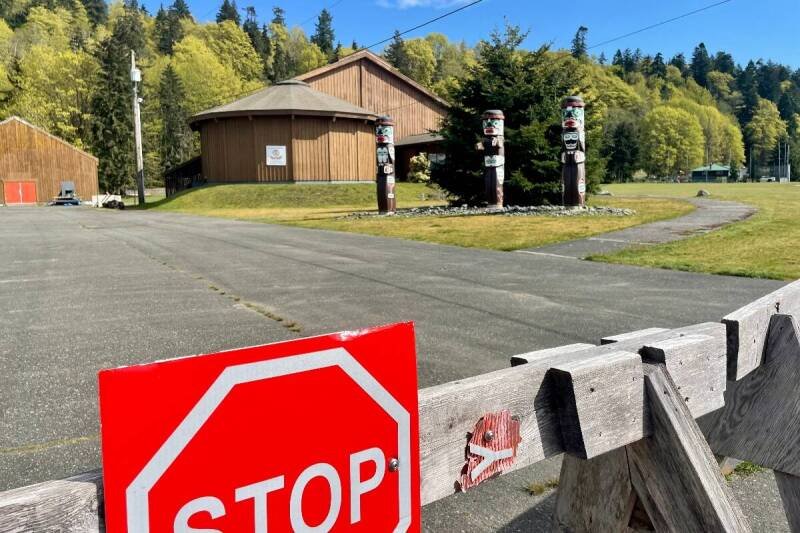
The Discovery Islands Museum, located near Campbell River, British Columbia, has closed its doors indefinitely due to a protracted financial dispute with the We Wai Kai Nation. This closure raises significant concerns about the future of the museum's collection, particularly its repatriated Indigenous artifacts.
A Long-Standing Clash
The We Wai Kai Nation claims the closure stems from a long-standing disagreement over the museum's operational expenses. Details of the specific financial issues haven't been publicly disclosed, but it appears negotiations have broken down, leading to the unfortunate decision to close the museum.
The museum has been a local landmark, showcasing the history and culture of the Discovery Islands region. Its collection includes a variety of historical items, with a particular emphasis on Indigenous artifacts that have been repatriated to the We Wai Kai Nation.
Why This News Matters
The closure of the Discovery Islands Museum is more than just the loss of a local attraction. It highlights the complexities of relationships between museums, Indigenous communities, and the responsibility of preserving cultural heritage. When financial disputes arise, the consequences can be devastating, potentially jeopardizing access to important historical artifacts and hindering reconciliation efforts.
This situation underscores the importance of transparent communication, equitable funding models, and collaborative partnerships between museums and Indigenous communities. The repatriation of artifacts is a crucial step toward acknowledging past wrongs and empowering Indigenous communities to reclaim their cultural heritage. However, if museums lack the resources to properly care for and display these artifacts, the repatriation process becomes significantly less meaningful.
Our Analysis
In our opinion, the closure of the Discovery Islands Museum reflects a systemic issue in how museums, particularly smaller institutions, are funded and supported. Reliance on grants, donations, and tourism revenue can make them vulnerable to economic downturns and funding disputes. The We Wai Kai Nation's concerns about museum expenses are likely legitimate, as Indigenous communities should have a say in how their cultural heritage is managed and displayed.
This situation also highlights the need for better frameworks for resolving disputes between museums and Indigenous communities. Mediation, arbitration, and collaborative problem-solving are essential tools for preventing closures and ensuring the long-term preservation of cultural heritage. The responsibility falls on both the museum and the We Wai Kai Nation to find a path forward that prioritizes the preservation and accessibility of the artifacts.
This could impact tourism in the region. The Discovery Islands Museum was a stop for many tourists interested in learning about the local history and culture. Its closure will undoubtedly affect the local economy.
Future Outlook
The future of the Discovery Islands Museum remains uncertain. There are several possible scenarios:
- Reopening after negotiations: The museum could reopen if the We Wai Kai Nation and the museum's governing body can reach a mutually acceptable agreement on financial matters. This would require both parties to be willing to compromise and find common ground.
- Relocation of artifacts: The We Wai Kai Nation might choose to relocate the repatriated artifacts to another museum or cultural center where they can be properly cared for and displayed.
- Permanent closure: Unfortunately, the museum could remain closed indefinitely if a resolution cannot be reached. This would be a significant loss for the community and a setback for reconciliation efforts.
Ultimately, the best outcome would be a renewed partnership between the museum and the We Wai Kai Nation, built on mutual respect, transparent communication, and a commitment to preserving and celebrating Indigenous culture. Securing stable funding for the museum is also crucial to ensure its long-term sustainability.
Going forward, it is imperative that the voices and perspectives of Indigenous communities are centered in discussions about cultural heritage and museum governance. Only through genuine collaboration and equitable partnerships can we ensure that museums are truly serving the interests of all stakeholders.