Global Copper Supply Crunch: A Security Concern?
A mining CEO warns of a looming copper shortage and its implications for global security. We analyze the situation, its impact, and the future outlook.
Mining CEO Warns of Looming Copper Shortage, Raising Security Concerns
A senior figure in the mining industry is sounding the alarm about a potential global copper shortage. According to recent statements, dwindling copper supplies could have significant implications for global economic growth and even international security. The concern centers around the increasing demand for copper, gold, and silver – key minerals needed to power future technologies and industries.
The Increasing Demand for Critical Minerals
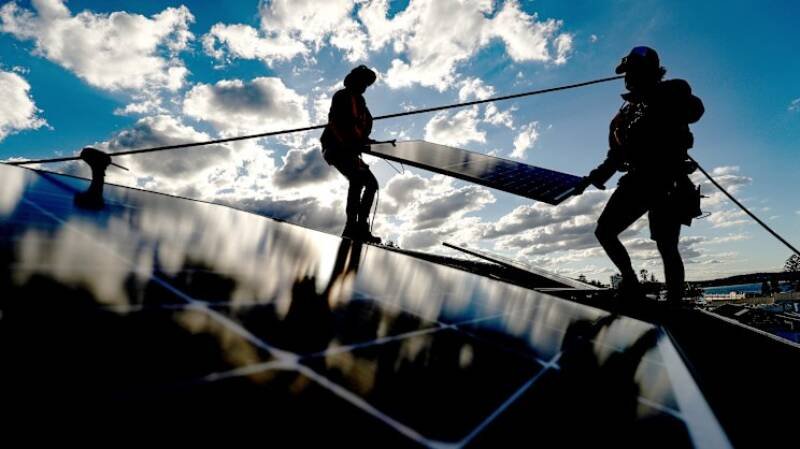
The world's transition to a greener economy is heavily reliant on copper. It's an essential component in electric vehicles, renewable energy infrastructure (like solar panels and wind turbines), and energy storage systems. As countries strive to reduce their carbon footprint, the demand for these technologies – and consequently, for copper – will only increase. Similar trends impact the demand for gold and silver, which are vital in electronics and other advanced technologies.
Currently, the question is: Can the mining industry keep up with this rapidly growing demand?
Why This News Matters
This isn't just about the price of copper going up. A significant copper shortage could have far-reaching consequences:
* **Economic Slowdown:** Key industries reliant on copper could face production bottlenecks, hindering economic growth. Electric vehicle production, for example, might be significantly slowed.
* **Increased Geopolitical Tension:** Nations dependent on copper imports may find themselves in competition for limited resources, potentially leading to heightened geopolitical tensions. Access to critical minerals is increasingly becoming a strategic imperative.
* **Delayed Energy Transition:** If the supply of copper isn't sufficient, the transition to renewable energy sources could be delayed, making it harder to meet climate goals.
* **Higher Costs for Consumers:** Ultimately, shortages and increased competition for resources will translate to higher prices for consumers, affecting everything from electric vehicles to electronics.
Our Analysis
The mining CEO's warning highlights a critical vulnerability in the global economy. While the industry is working to increase production, it faces several challenges:
* **Long Lead Times:** Opening new mines is a complex and time-consuming process, often taking years to complete. This makes it difficult to respond quickly to sudden increases in demand.
* **Environmental Concerns:** Mining activities can have significant environmental impacts, leading to community opposition and regulatory hurdles. Balancing resource extraction with environmental sustainability is crucial.
* **Geopolitical Risks:** The concentration of copper reserves in certain regions of the world creates geopolitical risks. Political instability or trade disputes in these regions could disrupt supply chains.
* **Declining Ore Quality:** As easily accessible deposits are depleted, mining companies are forced to extract copper from lower-grade ores, which is more expensive and energy-intensive.
In our opinion, this is a problem that requires immediate and concerted attention from governments, industry, and researchers.
Future Outlook
Addressing the potential copper shortage will require a multi-faceted approach:
* **Investment in New Mines:** Increased investment in exploration and development of new copper mines is essential.
* **Recycling and Reuse:** Improving recycling rates and promoting the reuse of copper can help reduce reliance on newly mined materials.
* **Technological Innovation:** Developing new technologies to extract copper more efficiently and sustainably from lower-grade ores is crucial.
* **Diversifying Supply Chains:** Reducing reliance on a single source of copper can mitigate geopolitical risks.
* **Material Science:** Exploring alternative materials that could substitute for copper in certain applications might alleviate some of the demand.
This could impact governmental policy decisions, leading to increased investment in domestic mining or strategic partnerships with other countries. Furthermore, expect to see increased research and development efforts focused on finding alternative materials or improving mining efficiency.
The potential copper shortage is a complex issue with significant implications for the global economy and international security. It's a challenge that demands proactive solutions and a long-term perspective.