Copper Supply Crunch: Why It Matters for the Future of the Economy
A top mining CEO warns of a looming copper shortage and its implications for global economic security. Learn why this matters and what the future holds.




A top mining CEO warns of a looming copper shortage and its implications for global economic security. Learn why this matters and what the future holds.
A prominent mining executive has recently highlighted a growing concern: the world is facing a potential copper shortage. This isn't just about higher prices for pipes; it's about the future of the global economy and potentially national security. According to the CEO, copper, along with gold and silver, are crucial minerals that will drive future economic growth. But can we get enough of it?
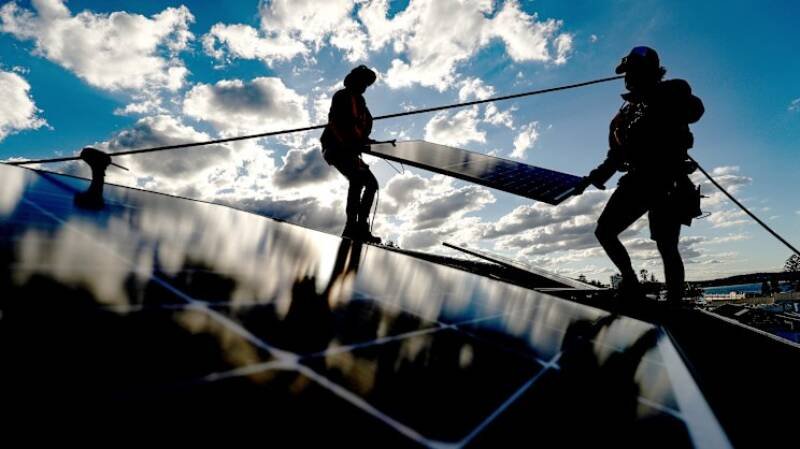
Copper is an essential metal used in countless applications, from electrical wiring in homes to the complex circuitry of smartphones. More importantly, it’s absolutely critical for the technologies driving the next wave of economic expansion. Think electric vehicles (EVs), renewable energy infrastructure (solar panels, wind turbines), and the expansion of global internet infrastructure. All of these rely heavily on copper.
A dwindling supply of copper could have significant consequences. It could slow down the transition to clean energy, increase the cost of everyday electronics, and potentially trigger geopolitical tensions as countries compete for limited resources. A copper shortage also impacts manufacturing industries across the board. If copper becomes scarce or too expensive, production costs rise, potentially leading to inflation and slower economic growth.
In our opinion, the mining CEO's warning should be taken seriously. The demand for copper is projected to skyrocket in the coming years, driven by the global shift towards electrification and renewable energy. Existing mines and planned projects may not be sufficient to meet this demand. The challenge lies in the time and investment required to discover, develop, and operate new copper mines. Environmental regulations, geopolitical risks, and technological challenges can further complicate the process.
Furthermore, control over copper resources can become a strategic advantage. Countries with significant copper reserves could wield considerable influence in the global economy. This is where the "security concerns" come into play. A reliance on a limited number of suppliers creates vulnerabilities. Disruptions to the copper supply chain, whether due to political instability, natural disasters, or trade disputes, could have far-reaching consequences.
So, what's next? We anticipate several key developments in the copper market:
This situation could impact consumers directly, through higher prices for goods containing copper. Industries relying on copper will need to adapt by finding alternative materials, improving efficiency, or securing long-term supply contracts.
The potential copper shortage is a complex issue with significant implications for the global economy and geopolitical landscape. In our view, proactive measures are needed to ensure a sustainable and secure supply of this vital resource. Failure to do so could hinder economic growth and undermine efforts to address climate change. We must encourage responsible mining practices, support technological innovation, and foster international cooperation to avoid a copper crisis.