Walpole Island School Opens Fish Hatchery: A Blend of Tradition and Science
A new fish hatchery at Walpole Island First Nation school blends Anishinaabemowin language with ecological stewardship. Learn about the project's impact and future implications.
Walpole Island School Opens Fish Hatchery: Bridging Tradition and Science
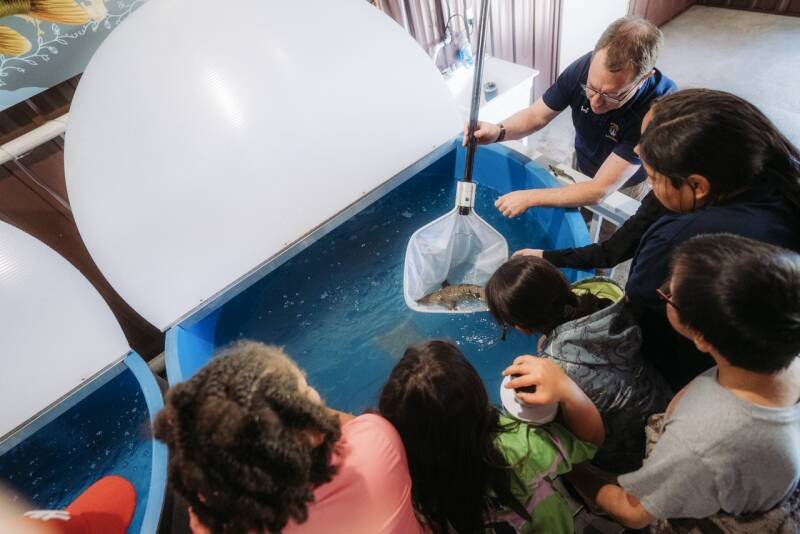
In a groundbreaking initiative, a new fish hatchery has officially opened its doors at an Anishinaabemowin immersion school located on Walpole Island First Nation (Bkejwanong). This unique project beautifully intertwines Indigenous language preservation, ecological responsibility, and practical scientific learning, all within the walls of a single classroom.
A Classroom Focused on Conservation
The hatchery represents a powerful commitment to both cultural heritage and environmental sustainability. By incorporating the Anishinaabemowin language into the program, students are not only learning about fish and their ecosystems but also strengthening their connection to their ancestral language and traditions. This immersive approach creates a holistic learning environment where culture and science complement each other.
Why This News Matters
This news is significant for several reasons:
- Empowering Indigenous Youth: The project provides Indigenous youth with unique opportunities to learn about science and the environment within a culturally relevant context.
- Language Preservation: It actively promotes and preserves the Anishinaabemowin language by integrating it into a STEM-focused curriculum.
- Ecological Stewardship: It fosters a sense of responsibility towards the environment and encourages future generations to become active participants in conservation efforts.
- Innovative Education: It showcases an innovative educational model that can be replicated in other Indigenous communities and beyond.
Our Analysis
In our opinion, this initiative is a shining example of how education can be used to address multiple challenges simultaneously. By combining language preservation with environmental stewardship, the Walpole Island school is creating a truly unique and impactful learning experience. This approach acknowledges the deep connection between Indigenous cultures and the natural world, fostering a sense of responsibility and respect for both.
The success of this project hinges on long-term community involvement and sustainable funding. It is crucial that the program receives ongoing support to ensure its continued growth and impact. Furthermore, the curriculum should be continuously evaluated and adapted to meet the evolving needs of the students and the environment.
This initiative could impact the way Indigenous communities approach education and environmental conservation. It offers a blueprint for integrating cultural knowledge with modern scientific practices, creating a powerful synergy that benefits both the students and the environment.
Future Outlook
The future of the fish hatchery looks promising. There is potential for expansion, including the development of new educational programs and partnerships with other organizations. The school could also explore opportunities to raise different species of fish and contribute to local conservation efforts.
Potential for Replication
The success of the Walpole Island fish hatchery could inspire other Indigenous communities to implement similar projects. By sharing their experiences and best practices, the school can help other communities create their own culturally relevant and environmentally focused educational programs. We believe wider adoption of this model could lead to a significant increase in Indigenous participation in STEM fields and a greater appreciation for the environment.
Long-Term Impact
The long-term impact of this project will be measured by the number of students who pursue careers in science, technology, engineering, and mathematics (STEM) fields, as well as by the positive contributions they make to their communities and the environment. By investing in the education and empowerment of Indigenous youth, the Walpole Island school is laying the foundation for a brighter future.
Ultimately, this fish hatchery is more than just a science project; it is a symbol of hope, resilience, and the power of education to transform lives and communities.