Neurodivergent Children Learn Sexual Health Through Engaging Game Created by Students
Students at KPU have developed a video game to teach neurodivergent children about sexual health, using a fun and accessible approach. Learn why this matters and what the future holds.
KPU Students Create Innovative Game to Teach Neurodivergent Children About Sexual Health
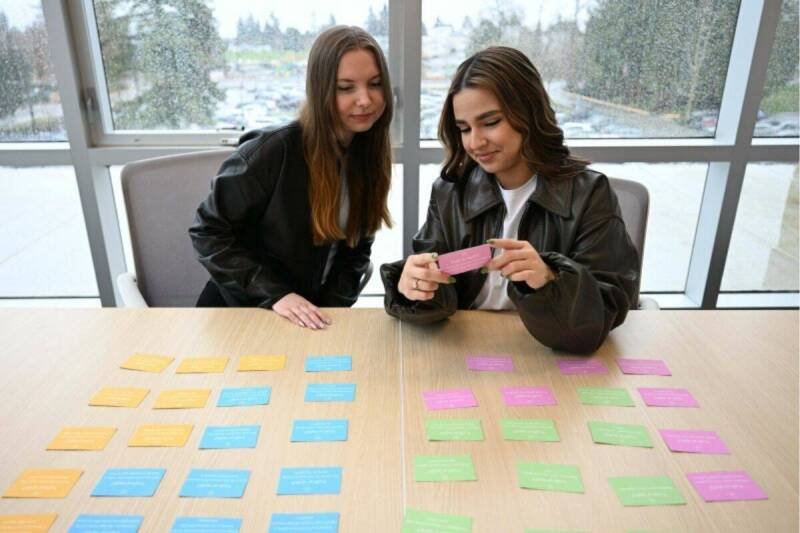
Students at Kwantlen Polytechnic University (KPU) have developed a groundbreaking video game designed to teach sexual health to neurodivergent children in a friendly and accessible way. This project aims to address a critical gap in sex education, making it more approachable and understandable for children who may learn differently.
The game utilizes a narrative-driven approach, incorporating interactive elements and relatable characters. This allows children to learn at their own pace in a safe and engaging environment. By focusing on clear communication and visual aids, the game helps to overcome potential communication barriers often faced by neurodivergent individuals.
The Need for Accessible Sexual Health Education
Traditional sexual health education often relies on complex language and abstract concepts, which can be challenging for neurodivergent children to grasp. This new game offers a significant improvement by simplifying information and using a more interactive and engaging format. This method promotes better understanding and retention of crucial information related to body awareness, consent, and healthy relationships.
Why This News Matters
This project highlights the importance of inclusive education and the need for innovative solutions to address the unique learning needs of neurodivergent children. Sexual health education is vital for all children, and this game represents a significant step towards making this knowledge accessible to everyone, regardless of their learning style or cognitive abilities.
Moreover, it showcases the power of student-led initiatives in addressing real-world challenges. By identifying a gap in existing resources and developing a creative solution, these KPU students are making a tangible difference in the lives of neurodivergent children and their families.
Our Analysis
In our opinion, this project is a remarkable example of how technology can be used to promote inclusivity and accessibility in education. The game's interactive nature and focus on clear communication make it a highly effective tool for teaching sexual health concepts to neurodivergent children. The developers have clearly considered the specific needs of their target audience, resulting in a product that is both engaging and informative.
We believe that the success of this game could pave the way for the development of similar educational resources for other subjects and learning disabilities. By embracing innovative approaches and prioritizing accessibility, we can create a more inclusive and equitable education system for all children.
Future Outlook
The KPU students are currently seeking feedback on their game and exploring opportunities to further develop and distribute it. This could impact schools and organizations specializing in special education. In the future, we anticipate seeing more educational games and resources tailored to the specific needs of neurodivergent learners.
Here are some potential future developments:
- Further refinement of the game based on user feedback.
- Expansion of the game to cover additional topics related to sexual health and well-being.
- Development of similar games for other subjects, such as social skills and emotional regulation.
- Collaboration with educators and organizations to implement the game in schools and other settings.
This innovative project from KPU students demonstrates the potential of game-based learning to create a more accessible and engaging educational experience for neurodivergent children. We are excited to see how this project evolves and contributes to a more inclusive future for all learners.