Skill Development vs. Degrees: IAS Officer Highlights New Opportunities
IAS Officer Rahul Jain emphasizes the growing importance of skill development over traditional academic degrees. Learn about government schemes and the shift in the job market.
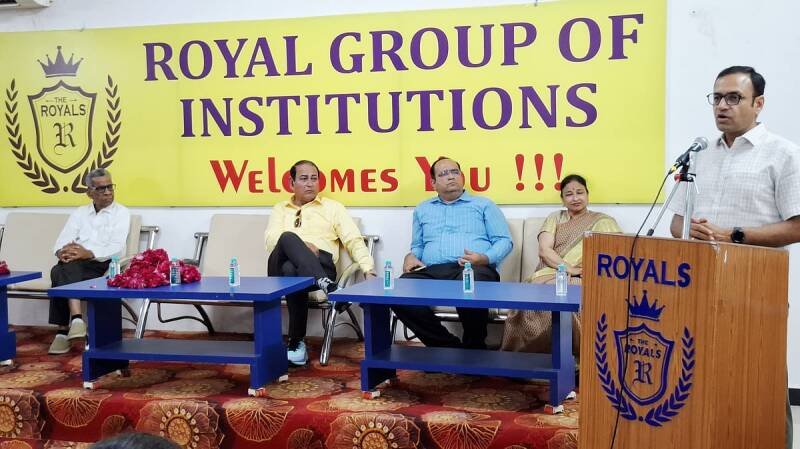



IAS Officer Rahul Jain emphasizes the growing importance of skill development over traditional academic degrees. Learn about government schemes and the shift in the job market.
In a recent address to students, IAS officer Rahul Jain highlighted a significant trend in the evolving job market: the increasing importance of skill development over traditional academic degrees. Jain emphasized that while a degree is still valuable, practical skills and hands-on experience are becoming increasingly crucial for career success.
Jain urged students to actively take advantage of various government initiatives designed to boost skill development. These schemes aim to bridge the gap between education and industry needs, ensuring that young people are equipped with the skills demanded by today's employers.
IAS Officer Jain specifically mentioned several key government programs, outlining their benefits and encouraging students to explore them:
The shift towards prioritizing skills represents a fundamental change in the hiring landscape. Employers are increasingly seeking candidates who can demonstrate practical abilities and a willingness to learn, rather than relying solely on academic qualifications. This means that students need to be proactive in acquiring skills that are in demand in the job market. Focusing on practical learning, perhaps through internships, becomes paramount.
In our opinion, IAS Officer Jain's message is incredibly timely and relevant. The traditional education system, while valuable, sometimes falls short in providing students with the specific skills needed to thrive in today's rapidly evolving workplace. Government initiatives like the ones mentioned are crucial in addressing this gap and empowering students to succeed. It's also evident that a collaboration between academia and industry is necessary to ensure the development of skills that will guarantee future employment.
Furthermore, the emphasis on schemes like "Seekho-Kamao" reveals a growing recognition of the importance of vocational training. This approach, which combines learning with earning, offers a viable pathway for individuals to gain valuable skills while simultaneously contributing to the economy.
This trend is likely to continue, with skill development becoming even more critical in the years to come. As technology continues to advance and industries evolve, the demand for individuals with specialized skills will only increase. We anticipate seeing a greater emphasis on lifelong learning, with individuals constantly updating their skills to stay relevant in the workforce.
This could impact universities and colleges, potentially leading to a shift in curriculum and a greater focus on practical training and industry partnerships. Students who embrace skill development early on will undoubtedly have a significant advantage in the job market.
The success of these government schemes will depend on their effective implementation and widespread adoption. Continuous monitoring and evaluation are necessary to ensure that they are meeting the needs of both students and employers.
























