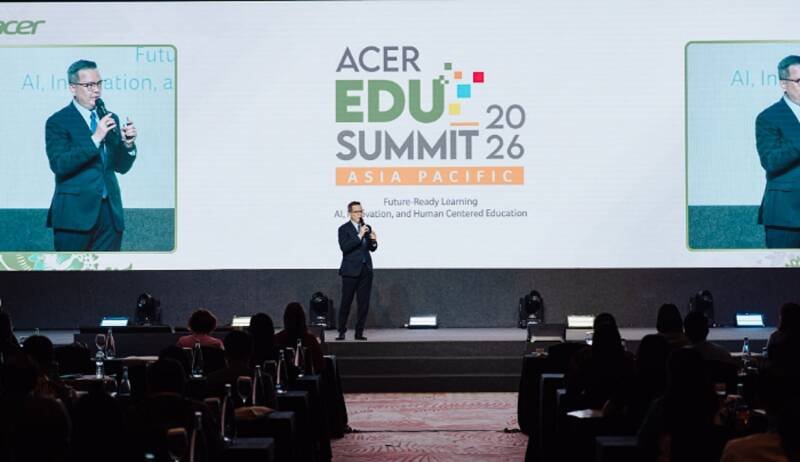
Acer AI in Education Summit: Shaping the Future of Learning in Asia Pacific
Acer hosts AI in education summit, bringing together educators and tech leaders to explore classroom innovation and future skills. Learn why this matters and get our expert analysis.
Acer Hosts Asia Pacific Summit on AI in Education: A Deep Dive
Acer recently held a significant Asia Pacific summit focusing on the integration of Artificial Intelligence (AI) in education. The event brought together educators, technology leaders specializing in AI, and stakeholders from across the region to discuss how AI can revolutionize the classroom and equip students with future-ready skills. This summit isn't just another conference; it's a pivotal moment in shaping the future of education in the Asia Pacific region.
What Happened at the Summit?
The summit served as a platform for sharing best practices, showcasing innovative AI-powered educational tools, and brainstorming solutions to challenges in the education sector. Discussions centered around:
- Classroom Innovation: Exploring how AI can personalize learning experiences, automate administrative tasks, and create more engaging learning environments.
- Future-Ready Skills: Identifying the skills that students will need in the future workforce and how AI can help develop those skills, such as critical thinking, problem-solving, and creativity.
- Bridging the Digital Divide: Addressing the disparities in access to technology and digital literacy across different regions and communities.
- Ethical Considerations: Ensuring responsible and ethical use of AI in education, focusing on data privacy, algorithmic bias, and equitable access.
Why This News Matters
The integration of AI in education has the potential to transform the way we learn and teach. This summit highlights the growing recognition of AI's transformative power in education. The discussions and collaborations that took place at the summit are crucial for guiding the responsible and effective implementation of AI in classrooms across the Asia Pacific region. This is especially important as the region is rapidly embracing technology and seeks to prepare its students for a competitive global landscape. Furthermore, by addressing challenges like the digital divide and ethical concerns, this summit can contribute to a more equitable and inclusive education system.
Our Analysis
In our opinion, Acer's initiative to host this summit demonstrates a strong commitment to shaping the future of education. By bringing together diverse perspectives and fostering collaboration, the summit can accelerate the adoption of AI in education in a meaningful and impactful way. We believe that this summit could impact how education policy is shaped across the Asia Pacific region. The focus on future-ready skills aligns with the growing need for graduates to possess competencies that are highly valued in today's dynamic job market.
However, it's important to acknowledge that the successful integration of AI in education requires careful planning, adequate resources, and ongoing training for educators. Simply introducing technology into the classroom is not enough; teachers need to be equipped with the knowledge and skills to effectively leverage AI tools to enhance learning outcomes. The ethical considerations surrounding AI in education must also be addressed proactively to ensure fairness, transparency, and accountability.
Future Outlook
The momentum generated by this summit is likely to continue, with increased investments in AI-powered educational solutions and greater collaboration between educators, technology providers, and policymakers. We anticipate seeing more pilot programs and initiatives focused on integrating AI into curriculum development, teacher training, and assessment methods. Over the next few years, we expect the Asia Pacific region to emerge as a leader in AI-driven education, with innovative models and best practices that can be adopted globally.
While there's plenty of excitement surrounding the potential of AI in education, it's important to remain grounded and focus on evidence-based approaches. Continuous monitoring and evaluation are essential to ensure that AI tools are truly improving learning outcomes and addressing the needs of all students. The success of this summit, and the broader movement towards AI in education, hinges on a commitment to responsible innovation, equitable access, and ongoing collaboration.