Pennsylvania House Passes Bill on Separate Playoffs for Public and Private Schools: What it Means
The Pennsylvania House passed a bill allowing the PIAA to consider separate playoffs for public and private schools. Learn what this means for student athletes, school funding, and the future of high school sports in PA.
Pennsylvania House Advances Bill on Separate Public and Private School Playoffs
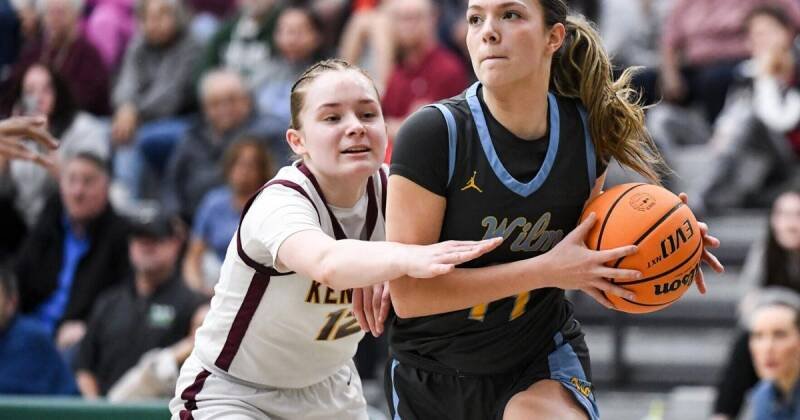
The Pennsylvania House of Representatives has taken a significant step towards potentially restructuring high school athletics. On Wednesday, they overwhelmingly passed a bill that grants the Pennsylvania Interscholastic Athletic Association (PIAA) the option to create separate state playoff brackets for traditional public schools and other school types, including private and charter schools. This isn't a mandate, but it opens the door for the PIAA to seriously consider this change.
What Does the Bill Actually Do?
Essentially, the bill removes a legal obstacle that previously prevented the PIAA from implementing such a system. If enacted into law, the PIAA board would have the authority to evaluate the pros and cons of separate playoff divisions and, if they deem it appropriate, establish them.
Why This News Matters
This potential shift could dramatically alter the landscape of high school sports in Pennsylvania. For years, public school advocates have argued that private and charter schools often have advantages, such as wider recruiting pools, greater financial resources (through tuition or fundraising), or more specialized training facilities. These alleged advantages, they contend, lead to an unfair competitive environment in state-wide championships.
The bill's passage signals a growing concern among lawmakers about competitive equity in high school athletics and reflects a desire to address perceived imbalances.
Our Analysis
This is more than just a sports issue; it touches on deeper questions about resource allocation, educational equity, and the role of athletics in shaping young people. Supporters of the bill see it as a way to level the playing field and ensure that public school athletes have a fairer chance at success. They believe it fosters a more inclusive environment where all schools, regardless of their funding or structure, can realistically compete for state titles.
However, opponents argue that separating playoff divisions could create unintended consequences. They fear it might lead to the stigmatization of athletes from private and charter schools, suggesting they are somehow "less deserving" of their victories. Some argue it could also diminish the prestige of state championships if the best teams are not always competing against each other. In our opinion, a careful and considered approach is needed to weigh all potential impacts before any drastic changes are made.
The core argument centers around "fairness." What constitutes a "fair" competition when schools operate under vastly different circumstances? This is a complex question with no easy answers. It's important to consider the impact on student-athletes, regardless of which type of school they attend.
Future Outlook
The bill now moves to the Senate for consideration. If passed by the Senate and signed into law by the Governor, the PIAA will then be tasked with deciding whether to implement separate playoff divisions. This decision-making process will likely involve extensive debate, research, and consultation with stakeholders, including school administrators, athletic directors, coaches, and parents.
Possible Outcomes and Considerations:
- PIAA Implementation: The PIAA could choose to implement separate playoff divisions, leading to two distinct state championship brackets.
- Status Quo: The PIAA could decide to maintain the current system, citing concerns about potential negative impacts.
- Compromise Solutions: The PIAA might explore alternative solutions, such as tiered playoff systems based on school size or other factors.
This decision-making process won't happen overnight. We anticipate a lengthy period of analysis and discussion before any concrete changes are implemented. This could impact the entire sporting culture of Pennsylvania’s high schools.
Regardless of the final outcome, this bill highlights the ongoing debate about fairness and competitive balance in high school athletics. The conversation itself is valuable, as it forces stakeholders to critically examine the structures and systems that govern youth sports and to consider the needs and interests of all student-athletes.