Discovery Islands Museum Closure: A Financial Dispute and Indigenous Artifacts
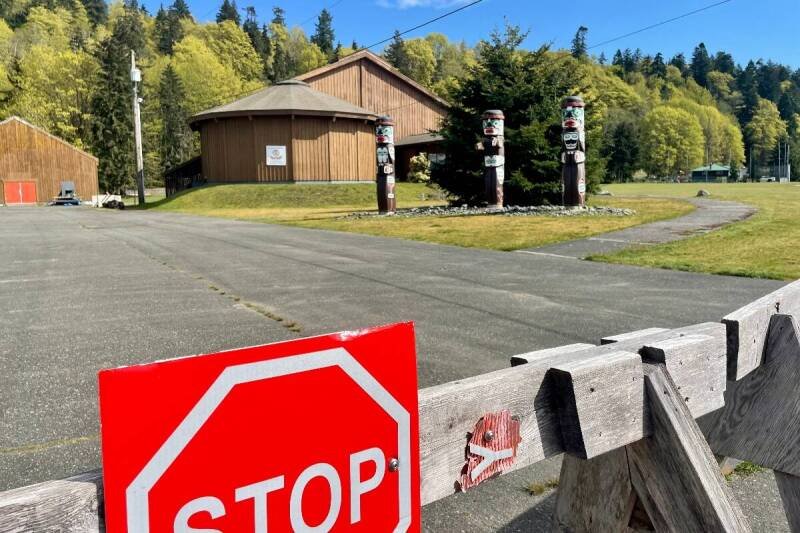
The Discovery Islands Museum is closed due to a financial dispute between the We Wai Kai Nation and the museum. Learn about the impact on repatriated Indigenous artifacts.
Discovery Islands Museum Closes Amid Financial Dispute: What Happens to Indigenous Artifacts?
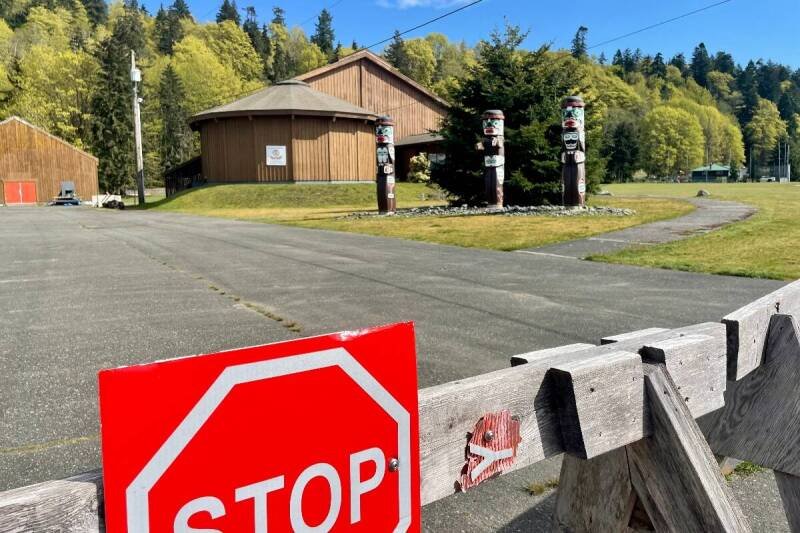
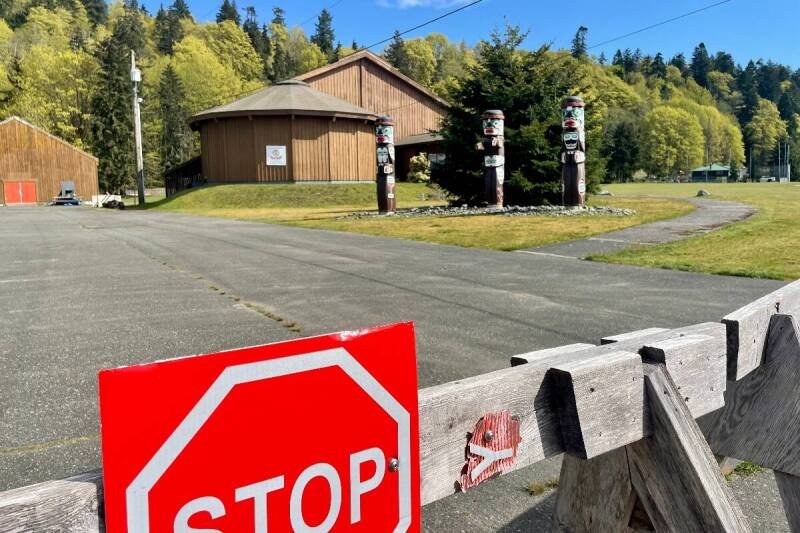
The Discovery Islands Museum in British Columbia has unexpectedly closed its doors due to a long-standing financial disagreement between the We Wai Kai Nation and the museum's management. This closure raises significant concerns about the future of the museum's collection, which includes repatriated Indigenous artifacts of immense cultural and historical value.
The Core of the Dispute
The We Wai Kai Nation has stated that the closure stems from unresolved issues regarding the museum's expenses. While specific details haven't been publicly released, it appears there has been a protracted disagreement over the allocation and management of funds related to the museum's operations. The Nation's involvement highlights a growing trend of Indigenous communities asserting greater control over their cultural heritage and demanding transparency in how related institutions are managed. This push for self-determination is central to the story.
The sudden closure leaves the community and stakeholders wondering about the fate of the artifacts. What will happen to them now? Where will they be stored? Will they be accessible to the public and, more importantly, to the We Wai Kai Nation?
Why This News Matters
This situation underscores the complexities surrounding the repatriation of Indigenous artifacts and the ongoing need for strong partnerships built on mutual respect and financial transparency between museums and Indigenous communities. This closure sends ripples far beyond the Discovery Islands. It forces a re-examination of how museums manage relationships with Indigenous communities and the responsibilities they bear when holding culturally significant items.
The loss of access to these artifacts impacts not only the We Wai Kai Nation but also researchers, educators, and the broader public interested in learning about Indigenous history and culture. Museums play a vital role in preserving and interpreting the past, and when they fail to maintain stability, the community suffers.
Our Analysis
In our opinion, the closure of the Discovery Islands Museum highlights a systemic issue within museum governance and funding models, particularly when dealing with Indigenous cultural heritage. It's clear that a more equitable and collaborative approach is needed. Museums need to move beyond token gestures of consultation and embrace genuine partnership with Indigenous communities, including shared decision-making power and transparent financial management. It's not enough to just repatriate artifacts; museums must create sustainable and respectful frameworks for their long-term care and accessibility.
This event highlights the vulnerabilities inherent in relying on potentially unstable funding mechanisms. The museum closure illustrates that a failure to communicate and compromise can have substantial and very public consequences.
Future Outlook
The future of the Discovery Islands Museum remains uncertain. Moving forward, the We Wai Kai Nation will likely play a central role in determining the next steps. Options could include:
- Negotiating a new agreement with the museum to address the financial concerns.
- Relocating the artifacts to a new facility managed directly or in partnership with the We Wai Kai Nation.
- Exploring alternative funding models to ensure the museum's long-term sustainability.
This could impact the way other museums manage their relations with indigenous communities. It is possible that new standards and laws will be created as a result of this dispute.
Ultimately, the situation at the Discovery Islands Museum serves as a crucial reminder of the importance of genuine reconciliation and the need for museums to prioritize respectful and sustainable partnerships with Indigenous communities. The ongoing dialogue and negotiation will determine the future of the artifacts and the preservation of We Wai Kai Nation's cultural heritage. It is our hope that a resolution is found that honors the Nation's rights and ensures the long-term accessibility of these invaluable cultural treasures.