White Stadium Fight: Public Land or Private Development?
The battle over White Stadium in Boston heats up as legal challenges mount. We break down the arguments, analyze the potential impact, and look ahead to the future of this historic site.
Battle Lines Drawn: The Fight Over White Stadium Heats Up
The fate of White Stadium in Boston is hanging in the balance as a legal battle intensifies between those who want to keep it as public land and those seeking to develop it. The arguments are passionate, the stakes are high, and the future of this historic landmark remains uncertain.
What's Happening?
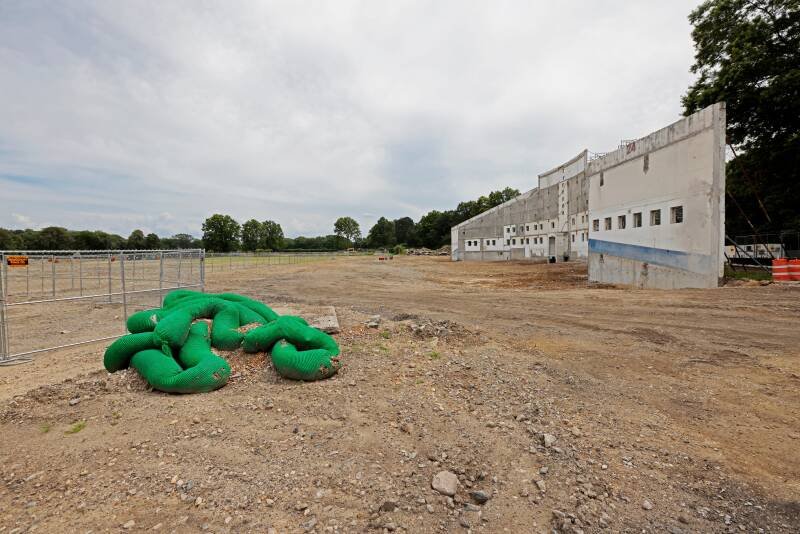
The controversy revolves around proposals to develop White Stadium, a historic athletic facility located in Franklin Park. Some groups advocate for modernizing the stadium and potentially incorporating it into a larger development project. However, others are vehemently opposed, arguing that such development would violate laws protecting public land.
Recent court filings highlight the deep divisions within the community. One side argues that "keeping White Stadium public respects the law on preserving public lands in letter and spirit." They believe that allowing private development would set a dangerous precedent and erode public access to valuable green spaces.
On the other side, some feel it's time for the conservancy opposing the development to "abandon its protracted legal battle." They suggest that modernization and development could bring much-needed improvements to the stadium and benefit the surrounding community.
Why This News Matters
This isn't just about a stadium; it's a reflection of a larger debate about how we balance development with the preservation of public spaces. The outcome of this case could have significant implications for future development projects in Boston and beyond. It raises important questions about:
* **Access to Public Land:** Should public land be primarily for public use, or can it be repurposed for private development if it benefits the community?
* **Preservation of History:** How do we balance the need for modernization with the preservation of historic landmarks?
* **Community Involvement:** How can communities be meaningfully involved in decisions that affect their neighborhoods?
Our Analysis
In our opinion, the core issue is finding a solution that respects both the historical significance of White Stadium and the needs of the community. Simply dismissing either side's arguments is not productive. A compromise that modernizes the stadium while preserving its public character and ensuring community access is crucial.
The legal challenge suggests serious concerns about the adherence to regulations regarding public land use. Ignoring these concerns could have far-reaching consequences, potentially opening the door for other development projects to bypass environmental and community safeguards.
This could impact the community significantly. On the one hand, stadium improvements could lead to economic benefits and increased recreational opportunities. On the other, prioritizing private development over public access could lead to resentment and a loss of valuable green space.
Arguments for Preservation:
- Maintaining a valuable green space for public recreation.
- Preserving the historical integrity of White Stadium.
- Upholding the laws protecting public land.
Arguments for Development:
- Modernizing the stadium to better serve the community.
- Generating economic benefits through development projects.
- Addressing the stadium's current state of disrepair.
Future Outlook
The legal battle is likely to continue for some time. The courts will need to carefully consider the arguments presented by both sides and determine whether the proposed development plans comply with existing laws.
It's crucial for all stakeholders to engage in constructive dialogue to find a solution that benefits the community as a whole. Ignoring the concerns of either side could lead to further delays and resentment.
Looking ahead, the White Stadium case could serve as a template for future development projects involving public land. It highlights the importance of transparency, community involvement, and a commitment to preserving public spaces for future generations. The ultimate outcome will shape how Boston approaches similar projects in the years to come.
Potential Outcomes:
- The court rules in favor of preservation, preventing significant development.
- The court rules in favor of development, allowing the project to proceed with modifications.
- A compromise is reached between the two sides, leading to a modified development plan that addresses concerns about public access and preservation.