Palestinian Laborers Smuggled into Israel: A Risky Pursuit of Work Amid War
Explore the plight of Palestinian laborers risking their lives to find work in Israel, facing dangers from war and legal restrictions. Understand the context, impact, and future implications.
Palestinian Laborers Smuggled into Israel: A Risky Pursuit of Work Amid War
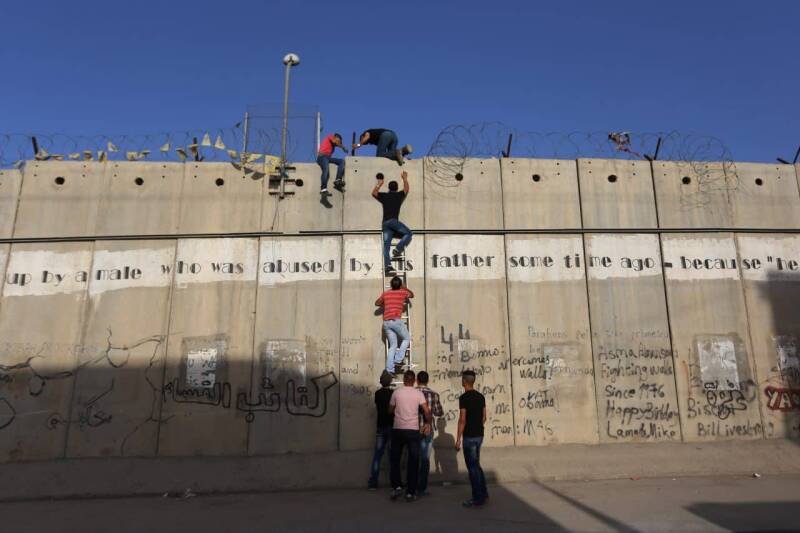
For two years, over 150,000 Palestinian laborers have faced a harsh reality: denied work permits to enter Israel legally. This has created a desperate situation, forcing many to take extreme risks, smuggling themselves across the Green Line, the boundary separating Israel and the West Bank.
The Dire Situation
These workers are driven by economic necessity. Without the ability to work legally in Israel, they face unemployment and poverty. The situation is made even more perilous by the ongoing regional tensions, particularly the shadow of a potential broader conflict linked to Iran.
Adding insult to injury, reports indicate that these smuggled laborers are banned from entering more than 11,000 shelters within Israel when missile strikes occur, leaving them incredibly vulnerable.
Why This News Matters
This story highlights a complex intersection of economic hardship, political restrictions, and security concerns. It's not just a news item; it's a snapshot of human desperation. Understanding this situation is crucial for grasping the realities of life in the region and the challenges faced by ordinary Palestinians.
It also raises important questions about labor rights, security protocols, and the humanitarian obligations of both Israel and the international community. Ignoring this problem will only exacerbate existing tensions and potentially lead to further instability.
Our Analysis
In our opinion, the denial of work permits to such a large number of Palestinian laborers is a significant contributing factor to this dangerous trend. While security concerns are understandable, simply cutting off access to work without providing alternative economic opportunities is not a sustainable solution.
The reports of denial of access to bomb shelters are particularly alarming. Regardless of legal status, basic human dignity dictates that individuals should have access to safety during times of conflict. This situation highlights a potential failure in humanitarian considerations.
This could impact regional stability. When people are desperate and have nothing to lose, they are more likely to engage in risky behavior. The long-term consequences of this situation could be far-reaching, potentially fueling resentment and unrest.
The Economic Angle
The Israeli economy has undoubtedly benefited from Palestinian labor. Restricting this labor supply can have unintended economic consequences for Israel as well. Finding a balance between security and economic needs is essential.
The Security Perspective
Israel's security concerns are valid. However, a policy of blanket denial of work permits is unlikely to be effective in the long run. It may even backfire by driving more people underground and making it harder to track who is entering the country. Strengthening border security and implementing more effective screening processes might be a more sustainable approach.
Future Outlook
The future for these Palestinian laborers remains uncertain. A potential escalation of regional conflict could further restrict movement and worsen their plight. Conversely, a renewed focus on diplomatic efforts and economic cooperation could lead to a more sustainable solution.
We believe that addressing the root causes of this problem – the lack of economic opportunities in the West Bank and Gaza – is crucial. Investing in infrastructure, creating jobs, and fostering trade can help reduce the desperation that drives people to take such risks.
- Increased international pressure on Israel to ease restrictions on Palestinian labor.
- Potential for increased security measures along the Green Line.
- Continued economic hardship for Palestinian laborers and their families.
- Possible escalation of regional tensions.
- Development of alternative economic opportunities in the West Bank and Gaza (though this is a long-term solution).
Ultimately, a just and lasting peace agreement that addresses the underlying economic and political issues is the only way to ensure a sustainable future for both Israelis and Palestinians.