Dunoon Flooding: Residents Stranded, Crisis Deepens, and What it Means for the Future
Heavy rains have trapped Dunoon residents in their homes due to severe flooding. Learn about the crisis, why it matters, our analysis, and the future outlook.
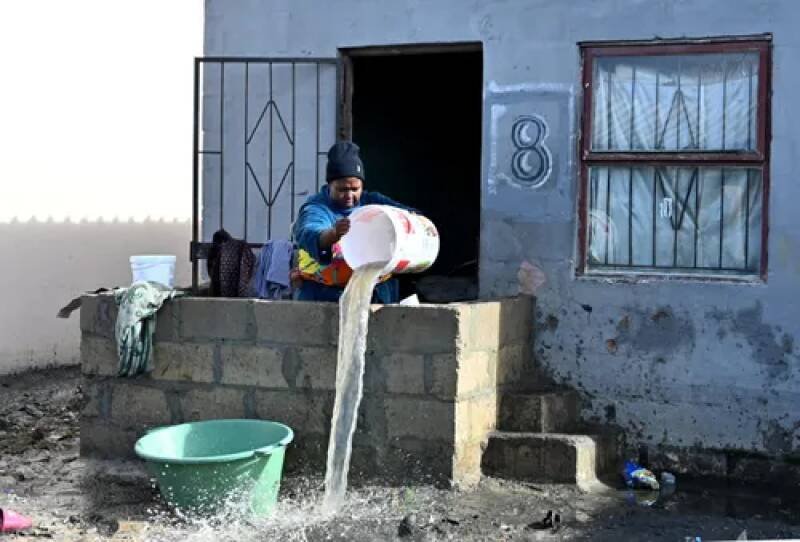



Heavy rains have trapped Dunoon residents in their homes due to severe flooding. Learn about the crisis, why it matters, our analysis, and the future outlook.
Residents of Dunoon, a densely populated informal settlement in South Africa, are facing a dire situation as heavy rains have led to unprecedented flooding. Many are trapped inside their homes, struggling to cope with the rising water levels and increasingly challenging conditions. Local officials have issued warnings that the situation is likely to worsen, prompting urgent humanitarian efforts to assist those affected.
The heavy rainfall has overwhelmed the existing drainage infrastructure in Dunoon, which is already inadequate for the population density. This has resulted in widespread flooding, making roads impassable and isolating residents within their homes. The lack of proper sanitation and waste management in informal settlements exacerbates the problem, as floodwaters often carry contaminants, posing serious health risks.
This event highlights the vulnerability of informal settlements to extreme weather events. It's not just about the immediate crisis; it's about the systemic issues that leave communities like Dunoon exposed. Climate change is bringing more intense and frequent rainfall, and without significant investment in infrastructure and disaster preparedness, these kinds of tragedies will become more common. This impacts not only the affected residents but also the broader economy and social fabric of South Africa.
In our opinion, this flooding is a stark reminder of the inequality that persists in South Africa. While wealthier areas have well-maintained infrastructure to cope with heavy rainfall, informal settlements are left to fend for themselves. The government needs to prioritize investment in these communities, not just for immediate relief, but for long-term resilience. This includes improving drainage, providing better housing, and ensuring access to essential services like clean water and sanitation.
The response from local authorities will be crucial. While humanitarian aid is essential in the short term, a comprehensive plan for relocation and infrastructure development is needed to prevent future disasters. Furthermore, community involvement is paramount. Engaging residents in the planning and implementation of solutions will ensure that the interventions are effective and sustainable.
One of the primary reasons Dunoon is prone to flooding is the lack of adequate infrastructure. Proper drainage systems, elevated roadways, and durable housing are all essential to mitigating the impact of heavy rainfall. Without these, communities remain highly susceptible to devastating floods.
The future for Dunoon and other similar informal settlements is uncertain. Climate change projections suggest that extreme weather events will become more frequent and intense. Without significant intervention, the cycle of flooding, displacement, and recovery will continue. This could lead to increased social unrest and further marginalization of vulnerable communities.
However, there is hope. With proactive planning, investment in infrastructure, and community empowerment, it is possible to build resilience and reduce the risk of future disasters. This requires a collaborative effort from government, civil society organizations, and the residents themselves. Sustainable solutions that address the root causes of vulnerability are essential for creating a more equitable and resilient future for all.
Ultimately, the situation in Dunoon serves as a wake-up call. It underscores the urgent need for comprehensive strategies to address climate change, reduce inequality, and build resilient communities. This could impact the lives of millions of people living in similar informal settlements around the world. It is a test of our collective commitment to a more just and sustainable future.
























