Trump's Temperament Under Scrutiny: What it Means for US Foreign Policy
A new poll shows Americans are concerned about Trump's temperament, especially regarding Iran and the Pope. We analyze the implications for US foreign policy.
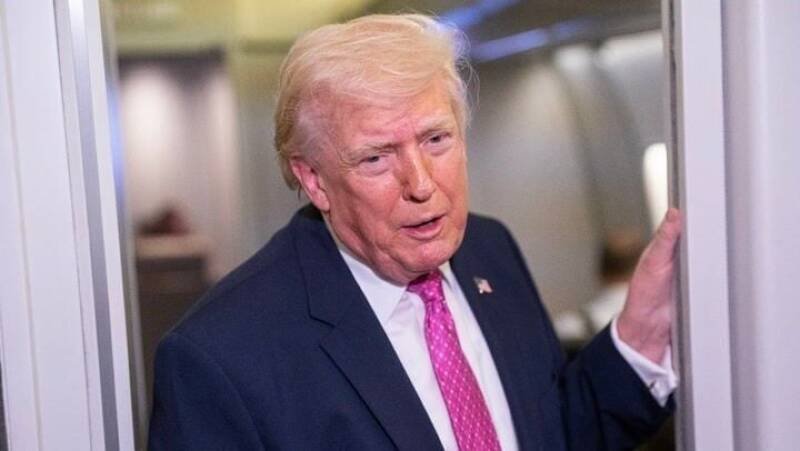



A new poll shows Americans are concerned about Trump's temperament, especially regarding Iran and the Pope. We analyze the implications for US foreign policy.
A recent Reuters/Ipsos poll has revealed that a significant portion of Americans are questioning former President Trump's temperament, particularly in the context of potential conflict with Iran and disagreements with the Pope. This poll comes at a crucial time, as global tensions remain high and the US navigates complex diplomatic relationships.
This poll is more than just a snapshot of public opinion. It provides valuable insight into how Americans perceive Trump's leadership style and its potential impact on US foreign policy. A president's temperament directly influences their decision-making, especially in high-stakes situations involving international relations. Public perception, in turn, can affect the president's ability to effectively negotiate and build alliances on the global stage.
Furthermore, the specific concerns about Iran and the Pope highlight the multifaceted nature of these worries. The Iran situation speaks to potential for impulsive decisions that could escalate conflict. The Pope concerns touch on Trump's respect for international norms and religious leaders.
In our opinion, the poll's findings reflect a deep-seated anxiety about the potential consequences of Trump's leadership style. The public seems worried about his approach to diplomacy, particularly his tendency towards confrontation and his perceived lack of restraint. A president's temperament isn't just a matter of personality; it's a critical factor in ensuring stability and predictability in foreign policy.
The timing of this poll is also significant. With ongoing geopolitical instability in various parts of the world, a perceived lack of stability at the White House could embolden adversaries and weaken alliances. This could impact the US's standing in the world and its ability to effectively address global challenges.
A president's temperament invariably shapes the tone and direction of US foreign policy. A perceived lack of stability or impulsiveness can lead to miscalculations and unintended consequences. Trump's confrontational approach, while appealing to some, has also alienated allies and exacerbated tensions with adversaries. This poll suggests that a significant portion of the public is concerned about the potential risks associated with this approach.
Moving forward, it will be crucial to monitor how these concerns about Trump's temperament evolve and influence his decision-making. A key indicator will be his approach to upcoming international negotiations and his handling of potential crises. If he continues to display a confrontational or unpredictable style, public concern is likely to grow, potentially undermining his ability to effectively lead the nation on the global stage.
This could impact future elections, as voters may prioritize candidates who project a more stable and measured approach to foreign policy. Ultimately, the public's perception of a president's temperament is a critical factor in shaping the nation's foreign policy and its role in the world. We believe that this poll highlights the importance of considering this factor when evaluating candidates and their ability to lead the US in an increasingly complex and uncertain global landscape.
























