UK-France Deal: Riot Police to Stop Small Boats - Analysis & Impact
UK and France strengthen borders with riot police to prevent small boats reaching Britain. Get expert analysis on the new deal, potential impact, and future outlook.



UK and France strengthen borders with riot police to prevent small boats reaching Britain. Get expert analysis on the new deal, potential impact, and future outlook.
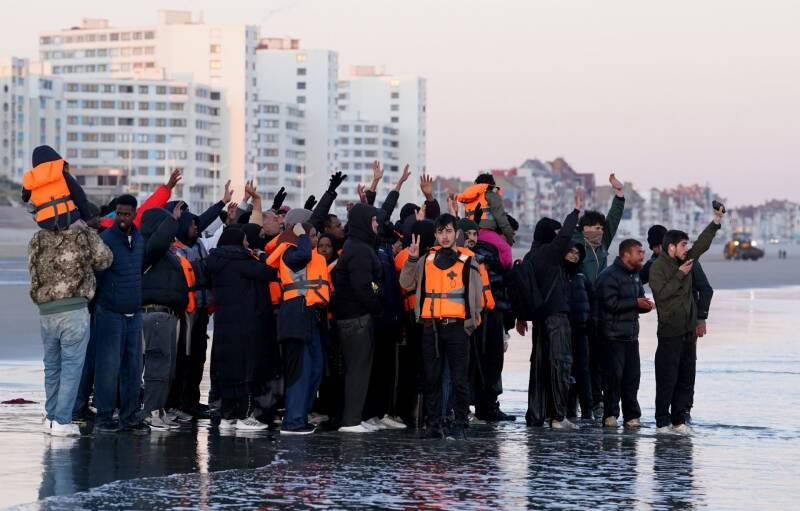
The UK and France are intensifying their efforts to prevent small boats carrying migrants and asylum seekers from crossing the English Channel. A new agreement will see French riot police, equipped with tear gas, deployed to intercept and deter these crossings.
The core of the agreement focuses on increased manpower and tactical resources for French law enforcement. Specifically, French officers trained in crowd control techniques will be stationed along the coastline to prevent groups of people from launching boats towards Britain. The deployment will include the use of tear gas as a deterrent. This agreement builds on previous collaborative efforts between the two countries aimed at curbing illegal immigration.
This development is significant for several reasons. Firstly, it signals a further hardening of border security measures on both sides of the Channel. This could lead to more desperate attempts to cross, potentially increasing the risk of accidents and fatalities. Secondly, it reflects the ongoing political pressure on both the UK and French governments to address the issue of illegal immigration. Public opinion in both countries is divided, with strong views on the need for both border control and humanitarian assistance.
Ultimately, the agreement highlights the complexities of international cooperation in managing migration flows. It underscores the need for comprehensive solutions that address the root causes of migration, rather than solely focusing on border enforcement.
In our opinion, while this new deal might temporarily reduce the number of successful crossings, it is unlikely to solve the underlying problem. The increased use of riot police and tear gas raises serious human rights concerns. It could force migrants and asylum seekers to seek more dangerous routes, enriching criminal smuggling networks and placing vulnerable people at greater risk.
The effectiveness of this approach also depends heavily on its implementation. Coordination between French law enforcement agencies and the UK Border Force is crucial. Any perceived inconsistencies or loopholes could undermine the entire effort.
This could impact the already strained relationship between the UK and France, particularly if there are accusations of one country not pulling its weight.
The success of this agreement will be judged by its ability to significantly reduce the number of illegal crossings without causing unacceptable harm to vulnerable individuals. However, a truly sustainable solution requires a broader approach that addresses the underlying factors driving migration. This includes tackling poverty, conflict, and persecution in countries of origin, as well as creating safe and legal pathways for asylum seekers to reach Europe.
Looking ahead, we anticipate continued political pressure to address the issue of Channel crossings. This could lead to further agreements between the UK and France, as well as potential involvement of other European countries and international organizations like Frontex.
It's likely we'll see increased scrutiny of the human rights implications of border security measures, and calls for a more humane and compassionate approach to managing migration flows.
























