Canada's Arctic Strategy: Going Solo and Why It Matters
Canada is strengthening its Arctic military presence amidst rising geopolitical tensions. Learn about Canada's "go-it-alone" strategy and its implications for the region and international relations.
Canada's Arctic Strategy: Preparing to Go It Alone
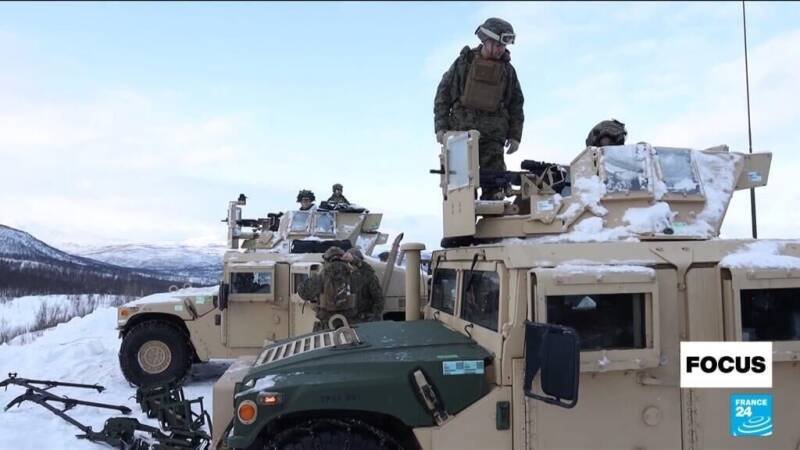
Canada is taking steps to bolster its military capabilities in the Arctic, signaling a shift towards greater self-reliance in defending its northern territory. This move comes amidst growing geopolitical tensions and a re-evaluation of Canada's relationship with its closest ally, the United States. But why is Canada suddenly emphasizing Arctic independence, and what does it mean for the region and beyond?
The Backdrop: Shifting Geopolitical Winds
For years, Canada has relied heavily on its partnership with the U.S., particularly through the North American Aerospace Defense Command (NORAD), for Arctic defense. However, former U.S. President Trump's questioning of NATO's relevance and his occasional comments about Canada potentially becoming the "51st state" prompted serious reflection within Canadian political circles.
These events exposed a vulnerability: over-reliance on a single partner whose priorities and perspectives might not always align perfectly with Canada's. The message was clear: Canada needed to strengthen its own ability to project power and assert sovereignty in its Arctic territory.
Why This News Matters
Canada's increased focus on Arctic defense has significant implications:
- Asserting Sovereignty: A stronger military presence allows Canada to better monitor and control activities within its Arctic region, safeguarding its sovereignty against potential challenges.
- Responding to Emerging Threats: The Arctic is becoming increasingly accessible due to climate change, opening up new shipping routes and resource extraction opportunities. This also creates new avenues for potential security threats.
- Maintaining Regional Stability: A capable Canadian military can contribute to stability in the Arctic, deterring aggressive actions by other nations and ensuring the peaceful development of the region.
- Rethinking International Partnerships: While the U.S. remains a crucial ally, Canada's "go-it-alone" strategy could lead to a more diversified approach to international security cooperation.
Our Analysis
In our opinion, Canada's decision to strengthen its Arctic military capabilities is a prudent and necessary step. The changing geopolitical landscape demands a more assertive approach to defending its northern interests. While cooperation with the U.S. will undoubtedly continue, Canada must possess the independent capacity to respond to potential threats and protect its sovereignty.
We believe that this initiative goes beyond simply responding to Trump-era rhetoric. It reflects a broader recognition that the Arctic is becoming increasingly strategically important, and that Canada needs to be a leading player in shaping the region's future. The investment in equipment and personnel is an investment in Canada's long-term security and prosperity.
The "Go-It-Alone" Strategy in Practice
It's important to note that "go-it-alone" doesn't mean completely severing ties with the U.S. or abandoning NORAD. Rather, it signifies a commitment to building independent capabilities that complement existing partnerships. This could involve:
- Investing in new Arctic-capable ships and aircraft.
- Increasing the number of Canadian troops stationed in the North.
- Enhancing surveillance and monitoring capabilities.
- Strengthening relationships with Indigenous communities in the Arctic.
Future Outlook
This evolving strategy will likely unfold over the next decade. We anticipate increased government spending on Arctic defense infrastructure and personnel. We also expect Canada to play a more prominent role in international forums concerning Arctic governance and security.
This could impact Canada's relationships with other Arctic nations, such as Russia and China, as well as its traditional allies. Finding the right balance between asserting sovereignty and fostering cooperation will be crucial for ensuring a stable and prosperous Arctic future. In the long run, a stronger, more self-reliant Canada in the Arctic will benefit not only Canadians but the entire international community by promoting responsible resource management and conflict prevention.