US-Iran Ceasefire: Who Won and What's Next? Analysis and Future Outlook
Analyzing the US-Iran ceasefire, its impact on nuclear infrastructure, regional networks, the Strait of Hormuz, and the future of US-Iran relations.
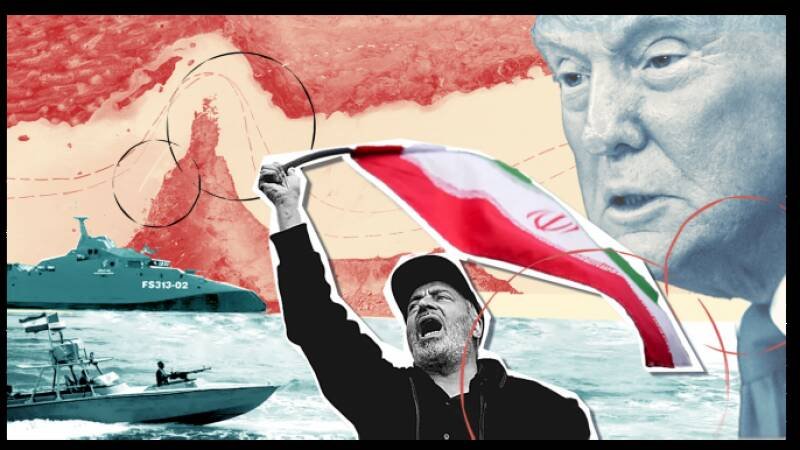



Analyzing the US-Iran ceasefire, its impact on nuclear infrastructure, regional networks, the Strait of Hormuz, and the future of US-Iran relations.
A ceasefire between the United States and Iran brings a sigh of relief to a tense region and a world holding its breath. However, the aftermath is far from a clear victory for either side. As the dust settles, a more intricate narrative unfolds, one where destruction doesn't necessarily equate to control. This analysis delves into the complex realities of the ceasefire, exploring its implications for Iran's nuclear program, regional influence, and the crucial Strait of Hormuz.
Initial reports suggested a potential weakening of Iran following the events that led to the ceasefire. However, the reality is nuanced. While there may have been destruction, it hasn't completely crippled Iran's capabilities. This is a key point often overlooked in simplified media narratives.
Despite potential damage, key aspects of Iran's power structure appear to remain functional:
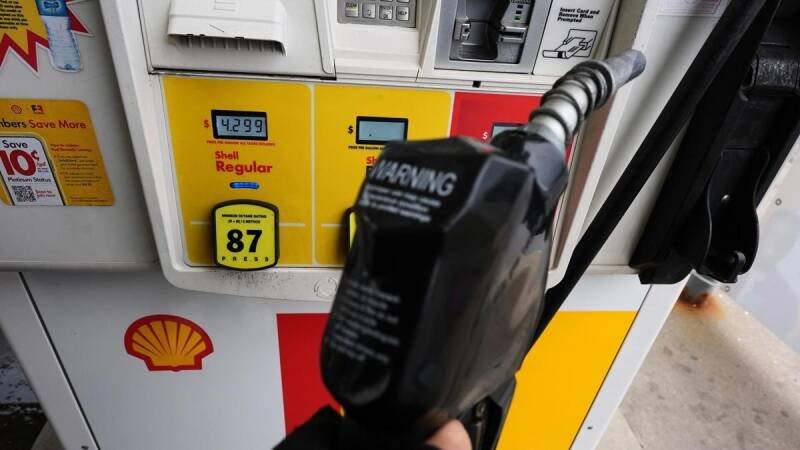
Understanding the nuances of this ceasefire is crucial. It's not a simple win or loss. It will heavily impact international relations, global oil prices, and the stability of the Middle East. A misinterpretation of the situation could lead to flawed policies and potentially destabilize an already volatile region.
In our opinion, this ceasefire highlights the limitations of military solutions in dealing with complex geopolitical challenges. While military action can inflict damage, it rarely achieves complete control, especially when dealing with a nation as resilient and strategically savvy as Iran. The fact that Iran's core capabilities remain largely intact suggests that diplomacy and long-term strategies are essential for achieving lasting stability.
The survival of Iran's regional network is very notable. This will allow it to continue to influence events in countries like Syria, Lebanon, and Yemen, complicating any attempts to establish lasting peace in those regions.
The future of US-Iran relations hinges on several factors:
The path forward is fraught with challenges. Mistrust runs deep, and both sides have conflicting interests. The success of this ceasefire depends on a willingness to engage in genuine diplomacy, address underlying grievances, and prioritize regional stability over short-term gains. This could impact global oil prices and overall geopolitical stability if not handled correctly.
In our opinion, the current situation necessitates a shift in approach. Relying solely on military pressure or economic sanctions has proven insufficient. A comprehensive strategy that combines diplomacy, economic incentives, and security guarantees is essential for achieving a lasting resolution. This is a critical moment that requires careful consideration and strategic foresight from all parties involved.