Turkish Cypriot Leader Reacts to EU Turkey Report: Analysis and Implications
Unal Ustel expresses surprise at EU's Turkey report. Get expert analysis, future outlook, and understand why this news matters for Cyprus and EU-Turkey relations.



Unal Ustel expresses surprise at EU's Turkey report. Get expert analysis, future outlook, and understand why this news matters for Cyprus and EU-Turkey relations.
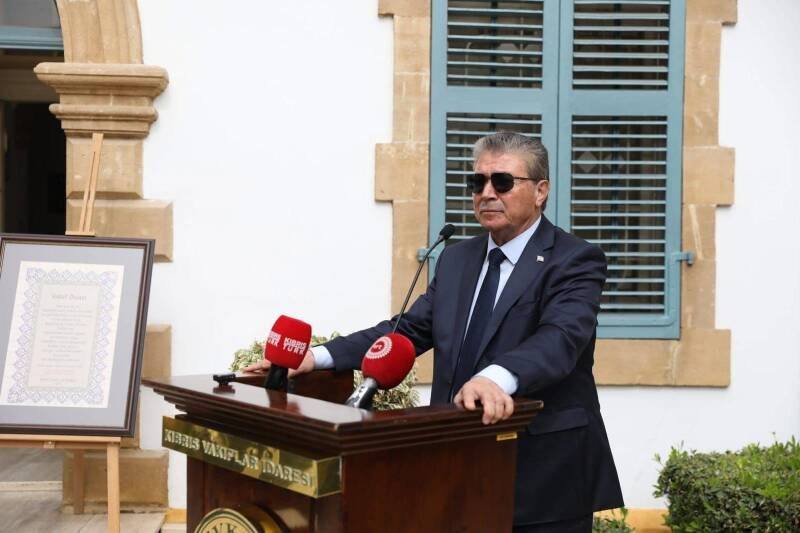
Unal Ustel, the 'prime minister' of the Turkish Cypriot administration, has voiced his strong disapproval of the European Parliament's latest annual report on Turkey. Ustel expressed "surprise and regret" specifically concerning the report's references to Cyprus and the Turkish Cypriot community.
The contentious point in the report is a call for Turkey to grant the Turkish Cypriot community "the necessary space" to determine its own political future. Ustel interprets this statement as implying undue Turkish influence and intervention in Turkish Cypriot affairs.
Ustel's statement suggests he believes the EU report misrepresents the relationship between Turkey and the Turkish Cypriot community. He implies that the report's language undermines the existing political structures and partnerships. We believe this reaction highlights the sensitivities surrounding the Cyprus issue within the broader context of EU-Turkey relations.
This seemingly small reaction is important because it touches on several key issues:
In our opinion, Ustel's strong reaction is likely driven by a desire to maintain the status quo and prevent any perceived weakening of ties with Turkey. He likely fears that granting greater autonomy to the Turkish Cypriots could weaken Turkey's influence and potentially lead to a push for reunification with the Republic of Cyprus.
However, the EU's call for greater autonomy for the Turkish Cypriots is not necessarily advocating for reunification. It could be interpreted as a way to empower the community to negotiate a more equitable solution to the Cyprus problem. It is equally important to note the EU has for a long time, and continue to call for a United Cyprus within the EU.
This situation presents a complex challenge. The EU seeks to encourage a resolution to the Cyprus issue, but its approach is viewed with suspicion by some Turkish Cypriot leaders. This could impact future negotiations or any attempts to ease tensions.
The future of the Cyprus issue remains uncertain. Several factors could influence the situation:
We anticipate continued tensions and diplomatic maneuvering in the coming months. A breakthrough in the Cyprus issue seems unlikely in the short term, but the EU's continued engagement could pave the way for a more constructive dialogue in the future.
Ultimately, a lasting solution to the Cyprus problem will require compromise and a willingness from all parties to engage in good-faith negotiations. In our opinion, this requires a commitment to addressing the underlying concerns and grievances of all communities on the island.