Turkey's Emerging Role in Global Security: Analysis and Future Outlook
An in-depth analysis of Turkey's rising importance in global security, as highlighted by Vice President Yılmaz, with insights into the future.



An in-depth analysis of Turkey's rising importance in global security, as highlighted by Vice President Yılmaz, with insights into the future.
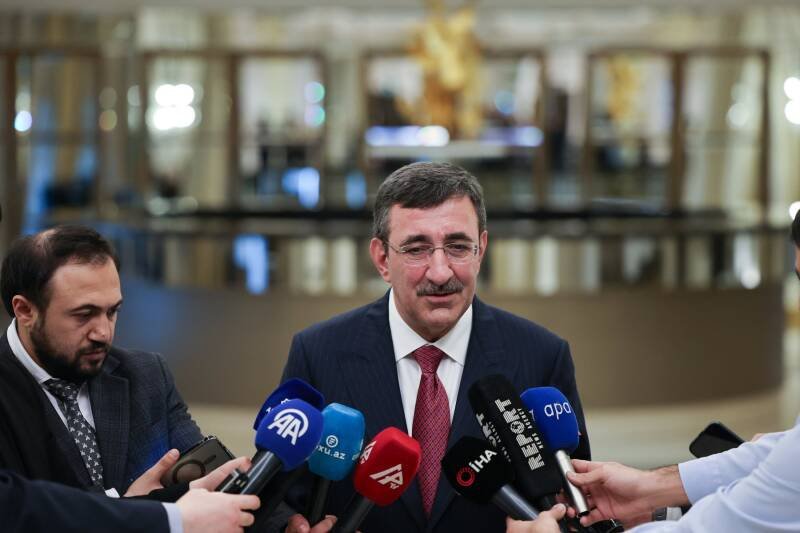
Turkey is poised to play a significant role in shaping the future of global security. According to Vice President Cevdet Yılmaz, Turkey's influence will only grow stronger in the face of evolving geopolitical challenges.
Speaking on TRT Haber, Vice President Yılmaz articulated a vision of Turkey as a key player in maintaining stability and security on a global scale. This isn't just about military might; it encompasses diplomacy, economic partnerships, and strategic alliances. He emphasized that Turkey is ready to take on this challenge.
He didn’t elaborate on specific details during the interview, however he mentioned that Turkey’s location gives them a unique advantage. With this in mind, it’s possible to see a new wave of initiatives that focus on strengthening relationships with their neighbours.
Turkey's geographical location, straddling Europe and Asia, gives it a unique strategic advantage. It controls vital waterways like the Turkish Straits, which are crucial for international trade and naval access to the Black Sea. Furthermore, Turkey's strong military and membership in NATO make it a key ally in the region.
A stronger Turkey could mean enhanced stability in a volatile region, but it could also lead to increased competition and potential conflicts with other regional powers. Understanding Turkey's evolving role is crucial for policymakers, businesses, and anyone interested in global affairs.
In our opinion, Vice President Yılmaz's statement reflects a growing confidence within the Turkish government about its place on the world stage. Turkey has been actively asserting itself in various geopolitical arenas, from the Eastern Mediterranean to Africa. This assertive foreign policy, coupled with its military modernization efforts, suggests that Turkey is serious about playing a more prominent role in global security.
However, Turkey's actions are not without controversy. Its involvement in conflicts such as those in Syria and Libya, as well as its strained relations with some Western allies, raise questions about its long-term strategic goals and its commitment to international norms. Navigating these complexities will be crucial for Turkey to realize its vision of becoming a key security player.
Turkey’s role within NATO is complex. While a member of the alliance, Turkey has at times acted independently, even purchasing defense systems from Russia, which has created tension within NATO. This could impact the overall cohesion and effectiveness of the alliance if not carefully managed.
Looking ahead, Turkey's role in global security is likely to become even more significant. Several factors point to this trend:
This could lead to a more assertive Turkish foreign policy, potentially resulting in increased tensions with some countries and closer partnerships with others. It's important to keep in mind that with increased power, comes increased responsibility.
Despite its potential, Turkey faces significant challenges in its quest for global security leadership. Its domestic political situation, its relations with the West, and the complex dynamics of the region all pose potential obstacles. Overcoming these challenges will be crucial for Turkey to fulfill its ambitions and secure its place as a key player in global affairs. In our opinion, future success will hinge on maintaining strong relationships and a clear strategic vision.