Trump's Iran Warning: Civilization at Risk? A Deep Dive
Donald Trump warns of civilization's demise if a deal with Iran isn't reached. We analyze the statement, its implications, and the future outlook for U.S.-Iran relations.



Donald Trump warns of civilization's demise if a deal with Iran isn't reached. We analyze the statement, its implications, and the future outlook for U.S.-Iran relations.
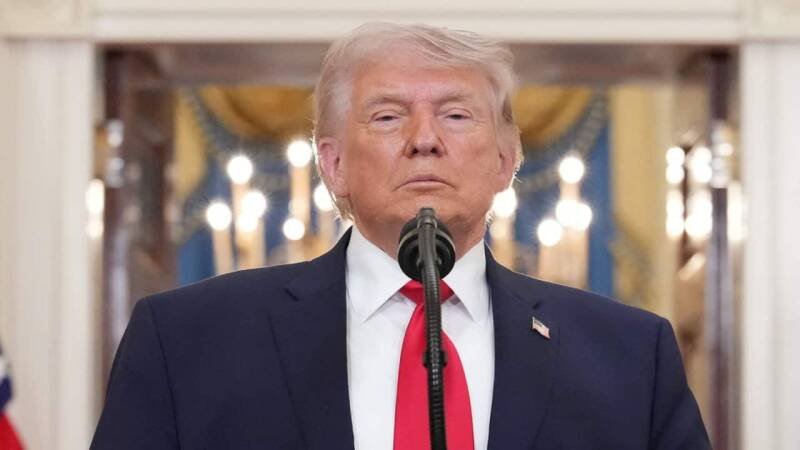
Former U.S. President Donald Trump recently issued a dramatic warning concerning Iran, stating that "a whole civilization will die tonight" if Tehran doesn't agree to a deal that includes reopening the Strait of Hormuz. This bold statement has reignited debates about U.S.-Iran relations and the potential for conflict in the Middle East.
Let's break down what's happening. Trump's statement, while characteristically hyperbolic, hints at deep-seated concerns regarding Iran's nuclear program and its influence in the region. The "deal" he refers to likely encompasses more than just nuclear restrictions; it likely touches on Iran's regional behavior, particularly its activities in the Strait of Hormuz.
The Strait of Hormuz is a narrow waterway located between Oman and Iran, connecting the Persian Gulf to the Gulf of Oman and the Arabian Sea. It's a critical chokepoint for global oil supplies, with a significant percentage of the world's oil passing through it daily. Any disruption to shipping in this area could have severe consequences for the global economy.
Iran has, in the past, threatened to close the Strait of Hormuz in response to sanctions or perceived threats, raising concerns about potential disruptions to oil supplies and sparking international tensions. Trump's statement highlights the urgency he perceives in securing a comprehensive agreement with Iran that addresses these security concerns.
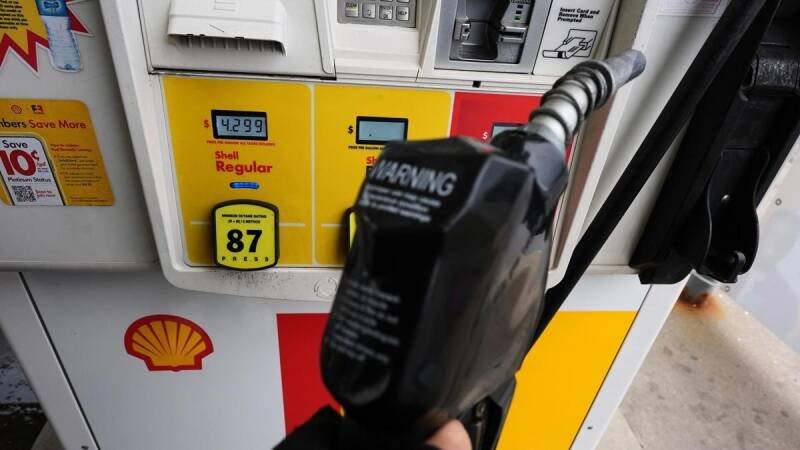
This isn't just political bluster. Trump's words, even after leaving office, carry significant weight. They reflect a perspective shared by many regarding Iran's destabilizing influence. The potential for conflict in the Middle East is real, and any escalation could have devastating consequences, not just regionally but globally. The stability of oil prices, international trade, and overall global security hinges, in part, on the relationship between the U.S. and Iran.
Trump's "civilization will die tonight" comment is, in our opinion, a dramatic way of emphasizing the potential ramifications of a failure to achieve a diplomatic solution with Iran. While the language is extreme, it underscores the high stakes involved. The statement is likely aimed at both pressuring Iran and rallying support for a tougher stance on its nuclear program and regional activities.
It's important to remember that the U.S. and Iran have a long and complex history, marked by periods of cooperation and conflict. Finding a path forward that addresses both countries' concerns will require careful diplomacy and a willingness to compromise. A deal needs to be comprehensive and verifiable to ensure regional stability. Simply lifting sanctions without addressing the root cause of tensions – Iran's nuclear ambitions and regional actions – is unlikely to lead to a lasting peace.
The future of U.S.-Iran relations remains uncertain. While the Biden administration has expressed a willingness to return to the 2015 nuclear deal (JCPOA), negotiations have stalled. The differences between the two sides remain significant, and there's no guarantee that a deal can be reached. If diplomacy fails, the risk of escalation will increase, potentially leading to a military confrontation.
This could impact global energy markets, and potentially push the world closer to another conflict. A new round of talks with new framework, and with all parties willing to compromise will need to occur in order to avoid a disaster.
In our view, a pragmatic approach is needed, one that prioritizes de-escalation and seeks common ground. The alternative is a potentially catastrophic conflict that could destabilize the entire Middle East and beyond.