Trump's Iran Stance: NATO Crisis and US Commitment Doubts
Trump's recent statements on Iran are causing a crisis within NATO, raising questions about US commitment to defending European allies. Get expert analysis and understand the future implications.
Trump's Anger Over Iran Stokes NATO Crisis: Is US Commitment Wavering?
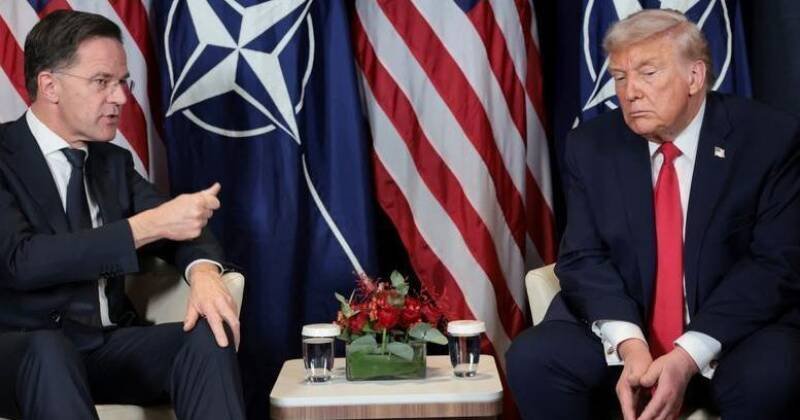
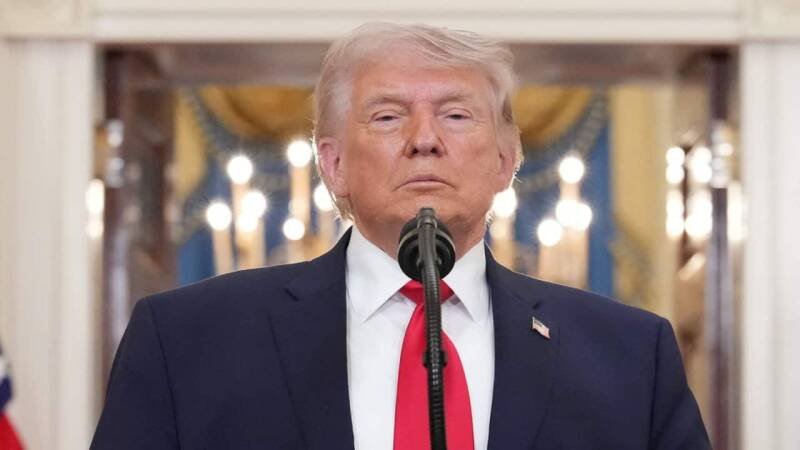
Recent comments emanating from former President Trump have injected a fresh dose of uncertainty into the already complex world of international relations, specifically regarding the NATO alliance and the United States' commitment to its European allies. The core issue revolves around Iran and how the US might respond should a conflict erupt that directly impacts European security.
The Spark: Trump's Comments and European Anxiety
The concern stems from Trump's statements that have been interpreted as suggesting the US might not automatically come to the aid of its European allies if they were attacked, regardless of whether or not Washington formally withdraws from NATO. This has naturally caused considerable unease among European leaders and defense officials.
Understanding the Context: NATO's Core Principle
NATO (North Atlantic Treaty Organization) operates on the principle of collective defense, enshrined in Article 5 of the North Atlantic Treaty. This article states that an attack on one member is considered an attack on all. This principle has been the bedrock of transatlantic security for decades, deterring aggression and providing a framework for cooperation. Any suggestion that the US might deviate from this commitment shakes the very foundation of the alliance.
Why This News Matters
The potential for weakened US commitment to NATO has far-reaching implications:
- European Security: European nations rely on US military power for deterrence and defense. A perceived weakening of US commitment could embolden potential adversaries.
- Transatlantic Relations: A breakdown in trust between the US and Europe would damage crucial diplomatic and economic ties.
- Global Stability: A weakened NATO could create a power vacuum and increase instability in various regions of the world.
Our Analysis
In our opinion, Trump's statements, whether intended or not, have successfully created a climate of uncertainty within NATO. This is a significant blow to the alliance's cohesion and credibility. While the official US position, at least currently, remains supportive of NATO, the damage to trust has been done.
This could impact European defense spending as nations may feel compelled to invest more in their own military capabilities to compensate for potential US reticence. It could also lead to a greater emphasis on European-led defense initiatives, potentially creating friction within NATO if not managed carefully.
The Iran Factor
The specific issue of Iran is also critical. If a conflict with Iran were to escalate and directly threaten European interests (e.g., through attacks on shipping or cyberattacks), the question of US support becomes paramount. Trump's comments suggest that such support is not guaranteed, even if European allies are directly affected.
Future Outlook
The future of NATO hinges on several factors:
- The outcome of the upcoming US elections: A change in administration could significantly alter US policy towards NATO and Iran.
- European efforts to strengthen their own defense capabilities: Increased European investment in defense could reduce reliance on the US.
- The evolution of the geopolitical landscape: Emerging threats and power shifts could necessitate a re-evaluation of NATO's role and strategy.
In the short term, expect heightened diplomatic activity as European leaders seek assurances from Washington and attempt to shore up the alliance. The long-term implications will depend on the actions and choices made by key players in the coming years. The current situation presents both risks and opportunities for NATO. While the challenges are significant, they could also spur the alliance to adapt and become more resilient in the face of evolving threats. Ultimately, the strength of NATO will depend on the willingness of its members to uphold their commitments and work together to address shared security challenges.