Trump, GOP Unite on Homeland Security Deal: What It Means for Immigration
Trump and GOP leaders reach a deal to end the Homeland Security shutdown with a two-track immigration strategy. Learn what this means for border security and the future of immigration policy.
Trump, GOP Unite on Homeland Security Deal: A Path Forward on Immigration?
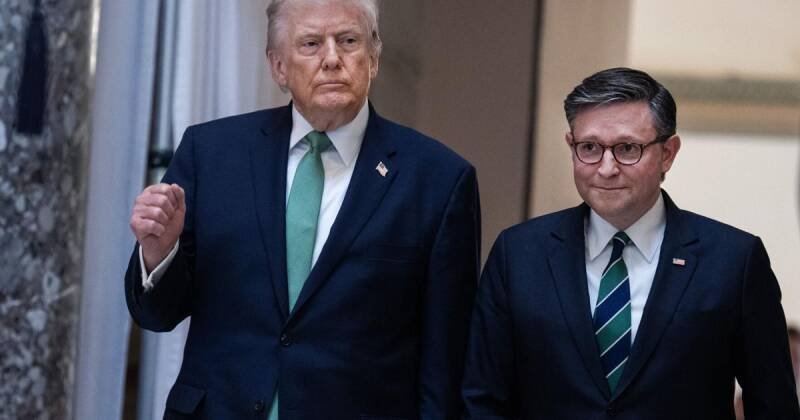
After weeks of deadlock and a record-breaking partial shutdown of the Department of Homeland Security (DHS), President Donald Trump and GOP leaders have announced they've reached an agreement. This deal aims to reopen the government and pursue a two-track strategy on immigration enforcement.
The Agreement: A Two-Pronged Approach
The core of the agreement involves two key elements:
- Reopening the Government: The immediate focus is on passing legislation to fund the Department of Homeland Security, effectively ending the shutdown. This will ensure that crucial border security operations and personnel are back in full force.
- A Reconciliation Bill: The GOP will also pursue a reconciliation bill focused on immigration enforcement. This bill is expected to address issues such as border security measures, including funding for a physical barrier, and potentially other enforcement priorities.
The strategy is designed to satisfy both the immediate need to restore government services and the long-term goal of addressing immigration concerns. However, its success hinges on securing enough support in both the House and the Senate.
Why This News Matters
This agreement carries significant implications for several reasons:
- Government Stability: Ending the shutdown restores stability to government operations and prevents further disruptions to essential services provided by DHS.
- Border Security: The renewed funding allows for continued and potentially enhanced border security measures.
- Immigration Policy Debate: The proposed reconciliation bill reignites the debate over immigration policy and sets the stage for potential legislative changes.
- Political Unity: The agreement demonstrates a level of unity within the Republican party, at least on the initial steps of reopening the government and addressing border security.
Our Analysis
In our opinion, this deal represents a pragmatic approach by both President Trump and GOP leaders. Facing mounting pressure from the public and businesses affected by the shutdown, finding a way forward became essential.
The two-track strategy allows the GOP to address the immediate crisis while simultaneously pursuing their long-term goals on immigration. However, the success of the reconciliation bill is far from guaranteed. Democrats, who now control the House, are unlikely to support a bill that solely focuses on enforcement without addressing broader immigration reform issues like pathways to citizenship for undocumented immigrants.
This could impact ongoing negotiations on other crucial legislative items. Failure to compromise could lead to future government shutdowns and further gridlock in Congress. It is important to note that this agreement only buys temporary stability, while the larger immigration debate continues to rage.
Future Outlook
The future hinges on several factors:
- Democratic Support: Will Democrats be willing to negotiate on the reconciliation bill, or will they demand broader immigration reform in exchange for their support?
- Senate Dynamics: The Senate will play a crucial role in shaping the final version of the reconciliation bill. Reaching a consensus will require careful negotiation and compromise.
- Public Opinion: Public opinion on immigration and border security will likely influence the actions of lawmakers on both sides of the aisle.
Ultimately, the agreement between President Trump and GOP leaders represents a step towards resolving the immediate crisis of the DHS shutdown. However, the long-term implications for immigration policy remain uncertain. The coming months will be crucial in determining whether a comprehensive solution can be found or if the issue will continue to be a source of political division.