Solar Cars Ready for Mass Production? A US Company's Bold Claim
A US company says it will begin mass producing affordable solar-powered cars in 2026. Learn about the potential, the challenges, and what it means for the future of transportation.



A US company says it will begin mass producing affordable solar-powered cars in 2026. Learn about the potential, the challenges, and what it means for the future of transportation.
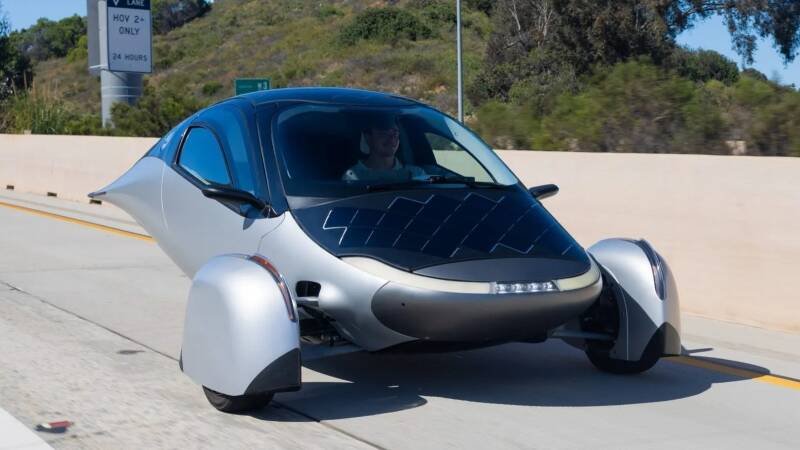
For years, we've heard whispers and promises about solar-powered cars becoming a reality. Now, a US company is stepping into the spotlight, claiming they're gearing up to mass-produce affordable solar cars starting in 2026. This is a bold claim, considering the many past attempts that haven't quite made it to the mainstream. But if successful, it could revolutionize how we think about transportation and renewable energy.
Solar cars are electric vehicles that use solar panels to generate electricity, either as their primary power source or to supplement battery charging. The concept is appealing: harnessing the sun's energy to power our vehicles, reducing our reliance on fossil fuels and lowering our carbon footprint. However, the reality has been challenging. Historically, solar cars have faced hurdles related to cost, efficiency, and practicality.
This company aims to overcome these hurdles by focusing on affordability and mass production. They haven't released a lot of detail about the design or the technology that will make this happen. That information is still closely guarded. However, they seem to be targeting a price point that makes solar vehicles available to the average car buyer.
This news is significant for several reasons:
In our opinion, the success of this venture hinges on several key factors. First, the company needs to demonstrate that their solar car technology is truly viable and efficient in real-world conditions. How much range can drivers get on solar power alone? What's the efficiency of the solar panels, and are they durable enough for daily use?
Second, affordability is crucial. Many electric vehicles are still more expensive than their gasoline-powered counterparts. If this company can deliver a solar car at a competitive price, it will have a significant advantage.
Third, infrastructure will play a role. Even with solar charging, drivers will likely need access to charging stations, especially for longer trips or during periods of low sunlight. A robust charging infrastructure will be essential for widespread adoption.
The next few years will be critical for this company. We expect to see more details emerge about their technology, production plans, and target market. They will need to build strategic partnerships with suppliers, manufacturers, and distributors to scale up production and reach a wider audience.
This could impact existing electric vehicle manufacturers. If a solar car can deliver a comparable range and performance at a competitive price point, it could disrupt the market and force other companies to invest more heavily in solar technology.
The road to mass-producing solar cars is paved with challenges. Some potential obstacles include:
While there are hurdles to overcome, this company's ambition to mass-produce affordable solar cars is a positive sign for the future of sustainable transportation. We will be closely watching their progress and reporting on any new developments.