Russia's Propaganda Justification for Zaporizhzhia Shelling: Fact vs. Fiction
Russia claims "almost no civilians left" in Zaporizhzhia to justify relentless shelling. We analyze the truth, the implications, and the potential future of this dangerous narrative.
Russia's False Claim: Justifying Zaporizhzhia Shelling with "No Civilians Left" Narrative
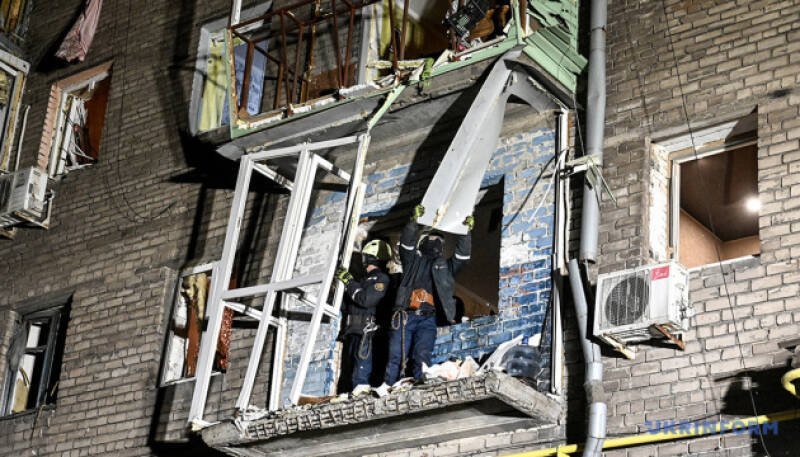
Reports indicate that Russian propaganda outlets are pushing a narrative that "almost no civilians are left" in the Ukrainian city of Zaporizhzhia. This claim is being used to justify the ongoing and systematic shelling of the city, attempting to deflect international condemnation and paint military actions as targeting only military objectives.
What is Happening?
The Center for Countering Disinformation (CCD) has highlighted this emerging Russian information campaign. By falsely claiming that the city is largely devoid of civilians, Russia aims to legitimize its attacks, minimizing the perceived severity of civilian casualties and damage to civilian infrastructure. This aligns with a broader pattern of disinformation deployed throughout the conflict in Ukraine.
Why This News Matters
This news is significant for several reasons:
- Dehumanization: It dehumanizes the remaining residents of Zaporizhzhia, making it easier for both Russian soldiers and the Russian public to accept the violence.
- Distorting Reality: It creates a false reality, making it harder for the international community to accurately assess the situation and hold Russia accountable.
- Escalation Risk: It potentially paves the way for even more aggressive and indiscriminate attacks on Zaporizhzhia, as Russia feels it has preemptively justified its actions.
- Erosion of Trust: It further erodes trust in news and information sources, contributing to a climate of confusion and uncertainty.
Our Analysis
In our opinion, this is a clear and dangerous example of propaganda being used to manipulate public perception and justify violent actions. The claim that "almost no civilians are left" is highly suspect and likely a gross exaggeration designed to conceal the true impact of the shelling on the civilian population. Independent reporting from the region suggests a significant civilian presence remains, despite the ongoing conflict and displacement. It’s crucial to remember that even if a large percentage of the population has left, there are always vulnerable populations like the elderly, the sick, or those without the means to relocate, who remain behind.
This narrative allows Russia to deflect blame for potential war crimes. By creating doubt around the civilian presence, any resulting casualties can be dismissed as collateral damage, rather than deliberate targeting of civilians – a war crime under international law.
Future Outlook
The future consequences of this propaganda campaign are concerning:
- Increased Violence: This could lead to a further escalation of violence against Zaporizhzhia, as Russia feels emboldened to act with impunity.
- Displacement and Refugee Crisis: Heightened violence will likely force more civilians to flee, exacerbating the already dire refugee crisis.
- International Condemnation: While the international community has already condemned Russia's actions, this specific propaganda campaign may prompt stronger sanctions and diplomatic pressure.
- Long-term Distrust: The spread of disinformation will have long-term consequences for trust in media and institutions, both within Russia and internationally.
This could impact future peace negotiations. Russia may try to use its control of information to leverage favorable outcomes in any potential peace talks. By controlling the narrative, they aim to dictate the terms of the agreement and justify their actions to their own population.
What Can Be Done?
It's vital that independent media outlets and international organizations continue to report accurately on the situation in Zaporizhzhia and expose Russian disinformation. Supporting fact-checking initiatives and promoting media literacy are essential steps in combating the spread of propaganda. Holding Russia accountable for its actions and ensuring that those responsible for war crimes are brought to justice remains paramount. Finally, offering humanitarian aid and support to the remaining civilians in Zaporizhzhia is crucial to mitigating the suffering caused by the conflict.