Russia-Iran Cyber Alliance: Implications for US and Middle East Security
A Ukrainian intelligence report reveals Russia is providing Iran with cyber support and spy imagery. Learn about the potential impact on US forces and regional stability.
Russia Deepens Ties with Iran, Providing Cyber Support and Spy Imagery
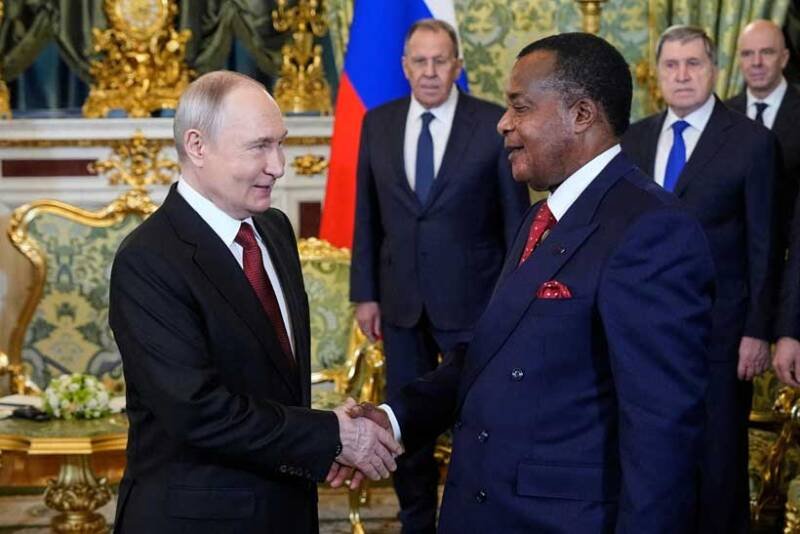
A recent intelligence assessment from Ukraine paints a concerning picture of deepening collaboration between Russia and Iran. According to the report, Russia is providing Iran with significant cyber support and high-resolution satellite imagery, raising alarms about potential escalations in the Middle East and beyond.
What's Happening?
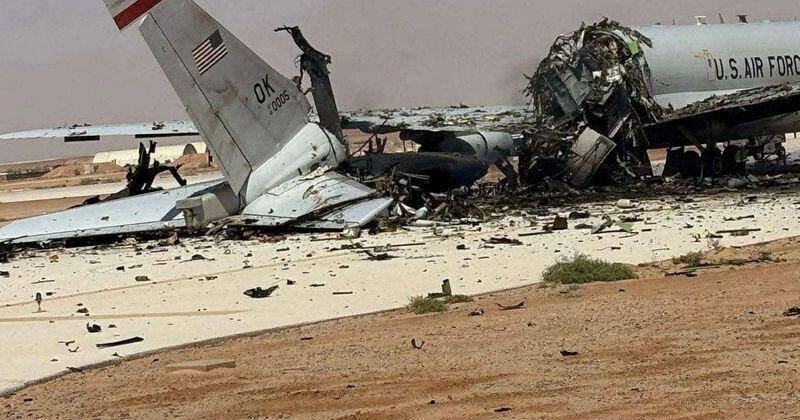
The Ukrainian assessment claims that Russian satellites have conducted detailed imagery surveys of military installations and critical infrastructure throughout the Middle East. This intelligence is allegedly being shared with Iran to refine its ability to strike U.S. forces and other targets in the region. This data could be invaluable for Iran in planning more precise and effective attacks.
The Nature of Russian Support
Beyond satellite imagery, the report indicates that Russia is providing Iran with cyber warfare capabilities. This assistance could include training, software, and strategic advice to enhance Iran's ability to conduct offensive and defensive cyber operations. Iran has long been considered a capable cyber actor, and Russian support could significantly amplify its capabilities.
Why This News Matters
This news is significant for several reasons:
* **Increased Threat to US Forces:** The enhanced targeting capabilities provided by Russian intelligence directly increase the risk to U.S. personnel and assets stationed in the Middle East.
* **Regional Instability:** More precise and effective Iranian strikes could further destabilize the already volatile Middle East region, potentially sparking wider conflicts.
* **Erosion of International Norms:** This collaboration represents a further erosion of international norms surrounding cyber warfare and state-sponsored espionage.
* **Circumventing Sanctions:** The alliance could help both countries circumvent Western sanctions, bolstering their economies and military capabilities.
Our Analysis
In our opinion, this development represents a dangerous escalation in the complex geopolitical landscape. Russia's willingness to provide sensitive intelligence and cyber capabilities to Iran suggests a strategic alignment against Western interests. This could impact the balance of power in the Middle East and embolden Iran to take more aggressive actions.
We believe that the US and its allies must take this threat seriously. A coordinated response is needed, including:
* **Strengthening Defensive Measures:** Enhancing cybersecurity defenses to protect against Iranian cyberattacks.
* **Deterrence:** Implementing clear and credible deterrent measures to discourage further Russian and Iranian aggression.
* **Diplomatic Pressure:** Exerting diplomatic pressure on both countries to halt their collaboration.
* **Sanctions:** Expanding sanctions to target individuals and entities involved in the transfer of intelligence and technology.
Future Outlook
The future trajectory of this Russia-Iran alliance is uncertain, but it is likely to continue evolving. Several factors could influence its development:
* **The War in Ukraine:** Russia's ongoing war in Ukraine may further incentivize it to seek support from Iran.
* **Nuclear Negotiations:** The outcome of nuclear negotiations with Iran could impact its willingness to engage in provocative activities.
* **Political Instability:** Political instability in either Russia or Iran could disrupt their cooperation.
* **Western Response:** The effectiveness of the Western response will be crucial in shaping the future of this alliance.
Potential Scenarios
* **Escalation:** Increased Iranian aggression in the Middle East, potentially leading to armed conflict.
* **Cyber Warfare:** A surge in cyberattacks targeting critical infrastructure and government agencies.
* **Expansion:** The alliance could expand to include other countries, creating a broader anti-Western coalition.
* **Containment:** Effective Western policies could contain the alliance and prevent it from further destabilizing the region.
In the long term, the Russia-Iran alliance presents a significant challenge to global security. The West must adopt a comprehensive and proactive strategy to mitigate the risks posed by this increasingly dangerous partnership. Failure to do so could have serious consequences for the stability of the Middle East and the security of the United States and its allies. We believe that a strong, unified approach is essential to deterring further escalation and protecting our interests.