RDC-7 Pushes for Regional DOTr: Faster Infrastructure for Cebu and Bohol?
The Regional Development Council (RDC-7) wants a regional Department of Transportation (DOTr) office to accelerate transport projects in Cebu and Bohol. Learn why this matters.
RDC-7 Pushes for Regional DOTr: Faster Infrastructure for Cebu and Bohol?
The Regional Development Council in Central Visayas (RDC-7) is advocating for a significant change that could speed up crucial transportation projects in Cebu and Bohol. They've officially endorsed the establishment of a regional office for the Department of Transportation (DOTr).
This move, backed during their first-quarter meeting on March 30, 2026, aims to address frustrating delays often encountered due to the need for centralized approvals in Manila.
Addressing Project Bottlenecks
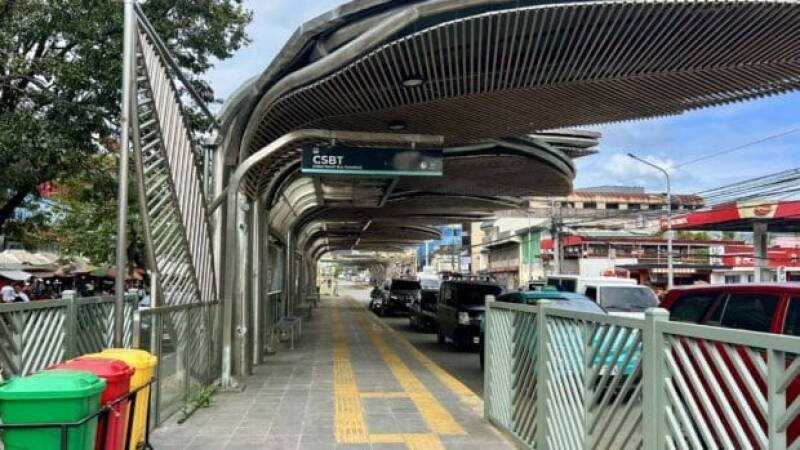
Currently, major transportation projects in Cebu and Bohol, from road improvements to port expansions, require sign-off from the DOTr headquarters. This centralized process can lead to bottlenecks, slowing down project timelines and hindering regional development. The RDC-7 believes a regional DOTr office will streamline these approvals, leading to quicker project implementation.
Why This News Matters
This initiative matters to everyone living in and traveling to Cebu and Bohol. Improved infrastructure translates to:
- Reduced traffic congestion
- Better access to essential services
- Enhanced tourism
- Increased economic opportunities
Faster project completion means tangible benefits for residents and visitors alike, making daily life easier and boosting the region's overall competitiveness.
Our Analysis
In our opinion, the RDC-7's push for a regional DOTr office is a positive step towards decentralization and more efficient governance. Centralized bureaucracies, while offering a degree of control, can often be slow and unresponsive to local needs. A regional office, staffed with individuals familiar with the specific challenges and opportunities of Cebu and Bohol, could prove far more effective in managing transportation projects.
The key will be ensuring proper oversight and accountability to prevent corruption and mismanagement. A regional DOTr office must operate with transparency and adhere to strict ethical standards to gain public trust and deliver on its promise.
Future Outlook
The endorsement from RDC-7 is a crucial first step, but further action is required. The proposal needs to be formally submitted to the DOTr and ultimately approved by the national government. We expect there may be debate surrounding the budget allocation, staffing, and scope of authority for the proposed regional office.
This could impact future project pipelines. If approved, we anticipate a faster turnaround time for project approvals and implementation. If the proposal stalls, the region may continue to experience delays in infrastructure development, potentially hindering its economic growth and negatively impacting residents. Continued monitoring of the political climate and government support is crucial to understanding the likelihood of this initiative's success. The proof will be in the pudding, in how fast the new organization becomes operational and effectively handles its assignments.