Oklahoma Democrat Drops Re-Election Bid After AI Image Scandal: Why It Matters
Oklahoma Democrat John Waldron withdraws from re-election after sending a fabricated kissing image. But is it enough? We analyze the scandal and its potential impact.
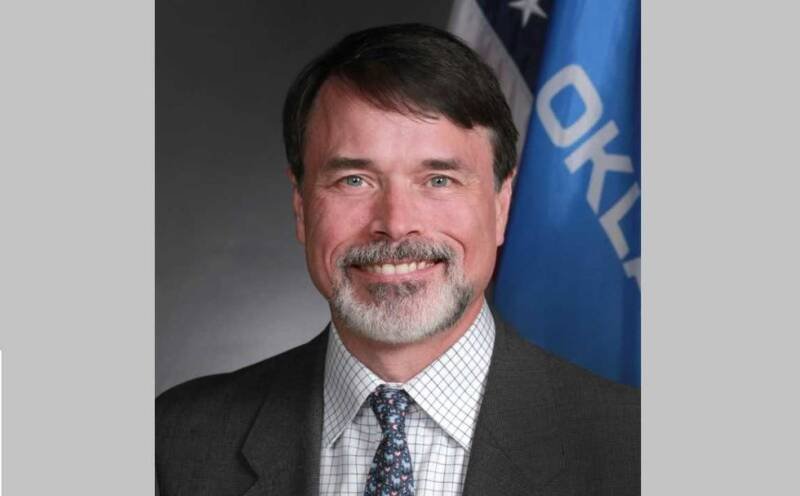



Oklahoma Democrat John Waldron withdraws from re-election after sending a fabricated kissing image. But is it enough? We analyze the scandal and its potential impact.
Oklahoma State Representative John Waldron, a Democrat, has withdrawn from his re-election campaign following a controversy involving an AI-generated image. The image, reportedly depicting Waldron kissing a woman, led to his earlier resignation as chair of the Oklahoma Democratic Party. Despite Waldron's apology and decision to drop out of the race, some within his own party believe he should resign his seat immediately.
Waldron, who has represented District 77 since 2018, acknowledged sending the fabricated image to a prospective female political candidate last fall. He stated he was under "enormous personal stress" and deeply regretted his actions, calling it a sacrifice of his integrity.
In a Facebook post, Waldron announced his decision to withdraw, stating it was "the right thing to do" for his constituents and his personal growth. He emphasized that he has been attending therapy to address his behavior. The image in question, according to reports, was an AI-generated GIF created from selfies, complete with kissing sound effects.
Despite Waldron's withdrawal from the election, several prominent female members of the Oklahoma Democratic Party, including State Representatives Amanda Clinton, Michelle McCane, Cyndi Munson, and Suzanne Schreiber, are demanding his immediate resignation from his current position.
Representative Schreiber stated, "I absolutely think Rep. Waldron should resign, and I am disappointed he has not done it already." Representative McCane added that not sexually harassing someone should be a bare minimum from elected officials.
This incident raises several important questions about ethics, accountability, and the use of AI in politics. It underscores the potential for AI to be misused to create harmful content and the responsibility of public figures to maintain ethical conduct, even under personal stress. The calls for Waldron's resignation highlight the zero-tolerance stance many now take toward actions perceived as harassment or abuse of power.
In our opinion, Waldron's decision to withdraw from the election was a necessary first step. However, the continued calls for his resignation suggest that many feel he has not fully addressed the severity of his actions. This case highlights the challenges of navigating the rapidly evolving landscape of AI technology and its implications for ethical behavior. The speed at which AI-generated content can be created and disseminated poses a significant risk, particularly in the political sphere.
The incident may also reflect a broader shift in societal expectations for elected officials, with increased scrutiny of their personal conduct and a greater emphasis on accountability. The strong reactions from female Democrats underscore the importance of creating a safe and respectful environment within the party and holding individuals accountable for their actions.
With Waldron stepping aside, Democrat Kristina Gabriel is now highly likely to win the District 77 seat in the upcoming election. This could impact the balance of power in the Oklahoma legislature, although the effect of a single seat change might be limited.
This incident will undoubtedly shape the conversation surrounding AI ethics in politics. Moving forward, campaigns and political organizations will likely need to develop clearer guidelines on the use of AI technology to prevent similar incidents from occurring. Moreover, the public will likely demand greater transparency and accountability from elected officials regarding their online behavior and use of technology.
This could lead to new legislation or regulations governing the use of AI in political campaigns, as well as increased public awareness of the potential for manipulation and disinformation. The long-term consequences of this incident will depend on how the Democratic Party and the broader political community address the underlying issues of ethical conduct and technological responsibility.