Mustang Protection: Why Wild Horse Advocacy Matters Now
A new letter urging the protection of mustangs highlights the ongoing debate about wild horse management in America. Learn why this matters, and what the future holds for these iconic animals.



A new letter urging the protection of mustangs highlights the ongoing debate about wild horse management in America. Learn why this matters, and what the future holds for these iconic animals.
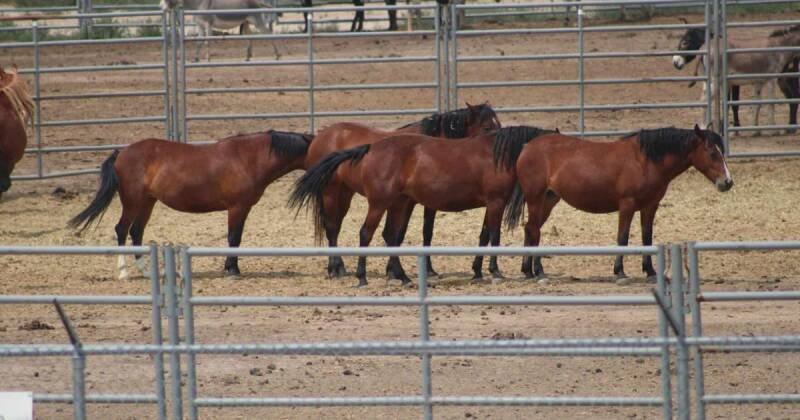
A recent letter circulating among horse advocacy groups calls for increased protection of America's wild mustangs. This letter, while seemingly a simple plea, highlights a complex and often contentious debate surrounding the management of these iconic animals on public lands. The central issue revolves around the Bureau of Land Management (BLM), the federal agency tasked with managing wild horse populations.
The letter is a direct response to what advocates see as the BLM's inadequate strategies for maintaining healthy wild horse populations while also preserving the delicate ecosystems where they roam. Critics argue that the BLM's methods, including roundups and the use of fertility control, are not only inhumane but also ultimately ineffective.
The BLM contends that wild horse populations, without intervention, can quickly outstrip the carrying capacity of the land. This leads to overgrazing, habitat degradation, and ultimately, suffering for the horses themselves due to lack of food and water. They argue that roundups are necessary to remove excess horses from the range and place them in holding facilities.
However, advocacy groups challenge this narrative. They argue that the BLM's own management practices, particularly the allocation of grazing permits to private livestock owners, contribute to the problem. They believe that reducing or eliminating livestock grazing would allow the land to support larger wild horse populations naturally.
The fate of wild mustangs is more than just an animal welfare issue. It speaks to broader questions about our relationship with the environment, the management of public lands, and the balance between competing interests. These horses are a symbol of the American West, a living embodiment of freedom and resilience. Their continued existence in the wild enriches our cultural heritage and contributes to the biodiversity of our landscapes.
Furthermore, the controversy surrounding wild horse management exposes the challenges of balancing conservation efforts with economic considerations. The allocation of resources between wild horses, livestock grazing, and other land uses involves complex trade-offs with far-reaching consequences.
In our opinion, the current approach to wild horse management is failing. The BLM's reliance on roundups and holding facilities is costly, inhumane, and unsustainable. While fertility control offers a potentially more humane and effective solution, its implementation has been slow and inconsistent.
The letter underscores the urgent need for a more holistic and sustainable approach that prioritizes the well-being of the horses and the health of the ecosystems they inhabit. This requires a fundamental shift in mindset, one that recognizes wild horses as an integral part of the landscape, not as a problem to be managed.
This could impact the political landscape as well. Increased public awareness and pressure from advocacy groups could force the BLM to reconsider its current policies and adopt more progressive strategies.
The future of wild mustangs remains uncertain. The ongoing debate is likely to intensify as wild horse populations continue to grow and resources become increasingly scarce. Several factors will shape the outcome:
Ultimately, the survival of wild mustangs in the American West depends on our ability to find common ground and develop solutions that are both ecologically sound and ethically responsible. A shift towards more sustainable grazing practices, wider implementation of fertility control, and increased public education are all crucial steps in the right direction. The decisions we make today will determine whether these magnificent animals continue to roam free for generations to come.