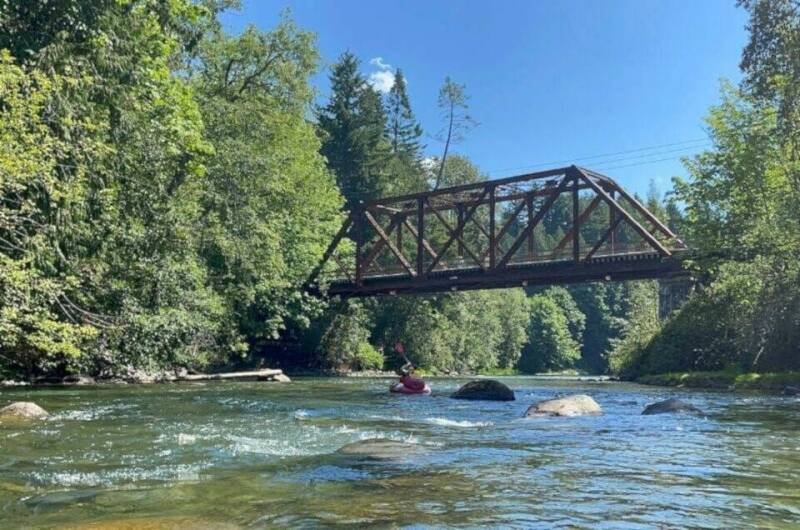
Cowichan Lake Snowpack Hits Record Low: What It Means for Fish and the Future
Cowichan Lake's snowpack is at a record low, threatening fish populations and raising concerns about future water availability. Learn what this means for the environment and local community.
Cowichan Lake Snowpack Plummets to Record Low: A Crisis Unfolding
The snowpack that feeds into Cowichan Lake on Vancouver Island is at an all-time low, sparking significant concern about the survival of fish populations and the overall health of the watershed. This isn't just a local issue; it's a stark reminder of the broader impacts of climate change on our water resources.
What's Happening?
Current snowpack levels are the lowest ever recorded for this time of year. Snowpack is crucial because it acts as a natural reservoir. It accumulates during the winter months and slowly melts during the spring and summer, providing a steady supply of water to rivers and lakes. When the snowpack is significantly reduced, it means less water flows into these vital bodies of water, leading to lower water levels. This threatens many different things in the ecosystem.
For Cowichan Lake, this means extremely low water levels, which is especially problematic for young fish (fry) that need sufficient water depth and flow to survive.
Why This News Matters
The low snowpack and subsequent low water levels have far-reaching consequences:
- Threat to Fish Populations: Salmon and other fish species rely on healthy water levels for spawning and survival. Low water levels expose eggs and fry to predators, higher water temperatures, and reduced oxygen levels.
- Impact on the Ecosystem: A healthy lake supports a diverse ecosystem. Reduced water levels can disrupt the food chain, affecting birds, mammals, and other aquatic life.
- Economic Consequences: The Cowichan Valley relies on fishing, tourism, and other industries that depend on a healthy environment. Reduced fish stocks and diminished recreational opportunities can negatively impact the local economy.
- Water Supply Concerns: Lower water levels can restrict water availability for residential, agricultural, and industrial use. This could lead to water restrictions and increased competition for limited resources.
Our Analysis
In our opinion, this situation highlights the urgent need to address climate change and its impacts on water resources. The low snowpack is a direct consequence of warmer temperatures and altered precipitation patterns. While natural variations occur, the long-term trend is clear: our climate is changing, and we need to adapt.
The current crisis underscores the importance of proactive water management strategies. We believe that a comprehensive approach is needed, including:
- Water Conservation: Implementing water-saving measures in homes, businesses, and agriculture.
- Infrastructure Improvements: Investing in infrastructure to improve water storage and distribution.
- Ecosystem Restoration: Restoring degraded habitats to enhance the natural water cycle.
- Climate Change Mitigation: Reducing greenhouse gas emissions to slow down the pace of climate change.
The Government's Role
Government agencies also play a critical role in monitoring water levels, enforcing regulations, and providing resources for conservation efforts. We are looking closely to see what measures will be put in place. A coordinated effort between government, industry, and the community is essential to address this challenge effectively.
Future Outlook
The future outlook is uncertain. If climate change continues unabated, we can expect to see more frequent and severe water shortages. This could impact not only Cowichan Lake but also other regions that rely on snowpack for water supply.
This could significantly impact Vancouver Island's ecosystems and inhabitants. The choices we make today will determine the future of Cowichan Lake and the surrounding communities. Taking action now to reduce our carbon footprint, conserve water, and restore ecosystems is crucial to ensuring a sustainable future.
It's clear that continued monitoring and research are essential to understand the long-term impacts of climate change on water resources. In our opinion, investing in science and innovation will help us develop more effective strategies for adapting to a changing climate.