DPWH Prepares for Rainy Season: Cleaning Waterways to Prevent Flooding
The Department of Public Works and Highways (DPWH) is proactively cleaning waterways and drainage systems to prevent floods in Metro Manila and other regions. Learn more about their "Oplan Kontra Baha" initiative and its impact.
DPWH Prepares for Rainy Season: Cleaning Waterways to Prevent Flooding
DPWH Ramps Up Flood Prevention Efforts Ahead of Rainy Season
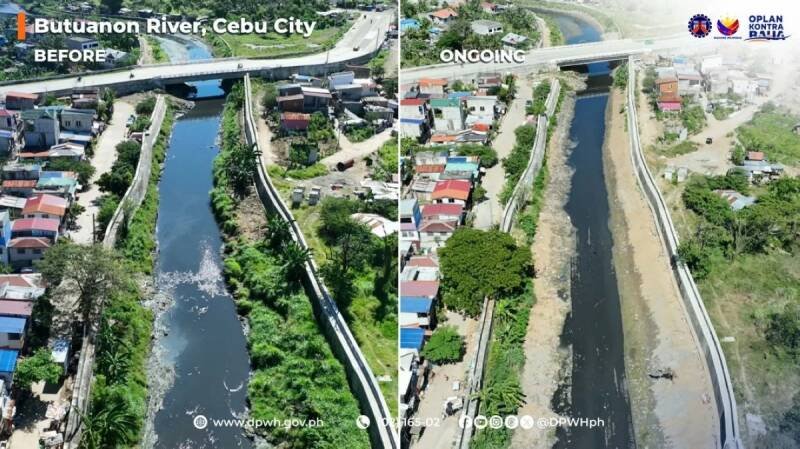
Even before the first raindrops of the rainy season fall, the Department of Public Works and Highways (DPWH) is already hard at work. They're proactively cleaning and dredging waterways and drainage systems across the Philippines to minimize the risk of widespread flooding. DPWH Secretary Vince Dizon emphasized that these efforts are being intensified and expanded to ensure waterways can handle increased water flow when the rains arrive.
This initiative, dubbed "Oplan Kontra Baha" (Operation Against Floods), aims to protect communities from the devastating effects of flooding. The focus areas include Metro Manila, the Ilocos Region, and the Cagayan Valley Region. Cities like Naga in Cebu, Bacolod, and Cagayan de Oro are also on the list, along with the province of Maguindanao.
Targeting Flood-Prone Areas
The DPWH is specifically targeting urban areas, towns, cities, and barangays with a history of recurring floods. This strategic approach ensures resources are focused on the most vulnerable communities.
The "Oplan Kontra Baha" program includes several key components, beyond just cleaning and desilting:
- Cleaning of drainage systems
- Demolition of illegal structures obstructing waterways
- Ensuring pumping stations are operational
- Effective waste management
In many areas, the primary focus remains on cleaning and dredging waterways and drainage systems. Secretary Dizon cited an example from San Juan where the DPWH successfully restored a drainage system from two feet deep to its original six-foot depth.
Removing illegal structures presents a more complex challenge, requiring close coordination with local government units. Managing the waste generated from dredging and cleaning operations also demands careful planning and execution.
According to Secretary Dizon, "Oplan Kontra Baha" is a continuous, annual program implemented during the dry season to prepare for the upcoming rainy season.
Why This News Matters
Flooding has significant consequences for communities, including property damage, displacement of residents, disruption of businesses, and increased risk of waterborne diseases. The DPWH's proactive approach through "Oplan Kontra Baha" aims to mitigate these risks and protect the well-being of citizens. It shows a commitment to public safety and infrastructure resilience.
Our Analysis
The DPWH's focus on flood prevention is commendable. The success of "Oplan Kontra Baha" hinges on effective coordination between the DPWH, local government units, and community members. In our opinion, consistent and transparent communication about the program's progress is crucial for building public trust and support. Addressing the issue of illegal structures along waterways is particularly important, although challenging, and requires a strong political will and a fair, equitable approach to relocation.
The annual nature of the program is vital. However, funding must be consistent to ensure the long-term viability of the effort. This could impact overall national resilience to natural disasters. Furthermore, long-term solutions like improved urban planning and solid waste management systems are necessary to prevent future flooding effectively.
Future Outlook
The DPWH's continued implementation of "Oplan Kontra Baha" will likely contribute to reduced flood risks in targeted areas. Monitoring the program's effectiveness through data collection and analysis is crucial to identify areas for improvement. We anticipate that the program will evolve over time to incorporate new technologies and best practices in flood management. The challenge remains in scaling up these efforts to address the widespread issue of flooding across the entire country.