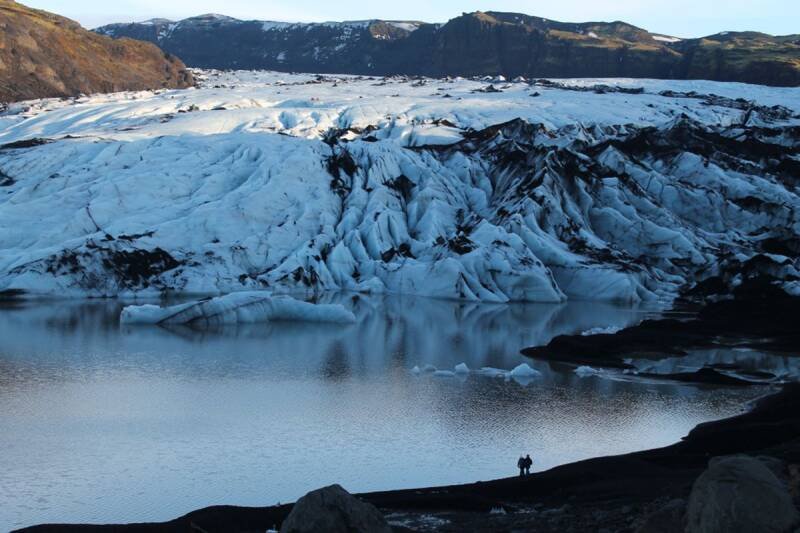
Glacier Funerals: Mourning Environmental Loss and Finding Hope
Discover how Icelanders are holding glacier funerals to cope with ecological grief caused by climate change, and how this ritual can help us face our environmental future.
Glacier Funerals: A Ceremony of Grief and a Call to Action
Climate change is no longer a distant threat; it's a present reality visibly altering our world. From rising sea levels to extreme weather events, the effects are undeniable. But beyond the physical impacts, there's a profound emotional toll – a sense of loss known as "ecological grief." In Iceland, a nation deeply connected to its glaciers, people are finding ways to cope with this grief through unique ceremonies: glacier funerals.
What are Glacier Funerals?
Glacier funerals, as the name suggests, are commemorative events held to mourn the loss of glaciers that have disappeared or significantly shrunk due to climate change. These are not formal religious ceremonies but rather community-led initiatives. The most well-known example involved the Okjökull glacier, once a majestic presence, which was officially declared dead in 2014.
In 2019, a memorial plaque was erected at the site of Okjökull, inscribed with a letter "to the future." It reads: "Ok is the first Icelandic glacier to lose its status as a glacier. In the next 200 years, all our glaciers are expected to follow the same path. This monument is to acknowledge that we know what is happening and what needs to be done. Only you know if we did it."
The Significance of Ecological Grief
Ecological grief is a complex emotional response to the loss of species, ecosystems, and familiar landscapes due to environmental degradation. It encompasses feelings of sadness, anger, fear, and helplessness. For communities directly dependent on natural resources, like Icelanders historically reliant on glacial meltwater, this grief can be particularly acute.
These funerals are not just about mourning what's lost; they're also about acknowledging the role humans have played in the glacier’s demise. By facing this uncomfortable truth, these rituals encourage reflection and a renewed commitment to environmental action.
Why This News Matters
The story of glacier funerals in Iceland is a powerful reminder that climate change is not just an environmental issue; it's a human issue. It highlights the emotional and psychological impact of environmental loss, something often overlooked in discussions dominated by scientific data and policy debates. These rituals demonstrate a healthy and community-led response to a global crisis, and it encourages others to open themselves up to expressing their own grief.
This news is also significant because it shows how communities can find innovative ways to raise awareness about climate change and inspire action. The memorial plaque for Okjökull, for instance, serves as a stark warning to future generations.
Our Analysis
In our opinion, the glacier funeral phenomenon is a significant development in how we approach climate change. It shows a shift from solely focusing on scientific solutions to recognizing the importance of addressing the emotional and psychological dimensions of the crisis. Ignoring these feelings could lead to apathy or even denial, hindering our ability to address the root causes of climate change.
The success of these ceremonies in Iceland suggests that similar rituals could be adapted and implemented in other communities facing environmental loss, from vanishing coastlines to disappearing forests. The key is to create spaces where people can grieve, share their experiences, and find strength in collective action.
This could impact future generations who, inspired by this movement, choose to enact change within their own communities.
Future Outlook
Looking ahead, we can expect to see more communities adopting similar rituals as the impacts of climate change become increasingly visible. The glacier funerals in Iceland may serve as a blueprint for other nations grappling with ecological grief.
The future of these ceremonies, in our opinion, will depend on their ability to evolve and adapt to different cultural contexts. They must also remain authentic and avoid becoming mere symbolic gestures devoid of real meaning.
Ultimately, the success of these rituals will be measured by their ability to inspire meaningful action and drive systemic change. If they can help us confront our grief, acknowledge our responsibility, and commit to a more sustainable future, then they will have served their purpose.
- Increased awareness of ecological grief
- Rise in similar rituals worldwide
- Greater focus on the emotional dimensions of climate change