Climate Resilience: Lessons for Indian Cities from Singapore's 'City in Nature'
Explore how Indian cities facing climate risks can learn from Singapore's innovative 'City in Nature' approach to build resilience and sustainability. Learn about water management, green infrastructure, and future outlook.
Climate Resilience: Lessons for Indian Cities from Singapore's 'City in Nature'
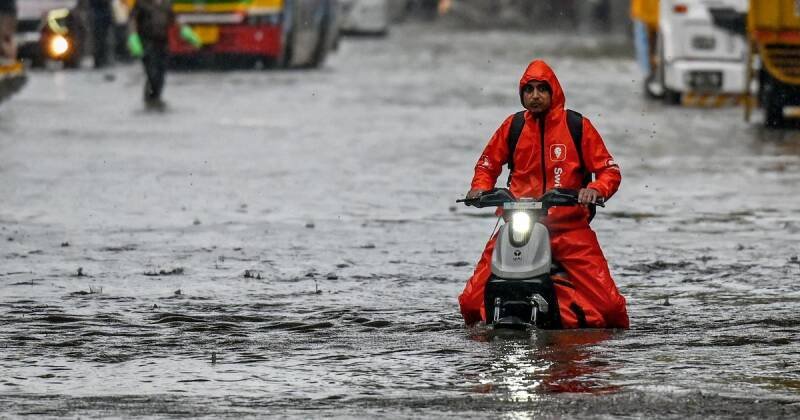
Many Indian cities are increasingly vulnerable to the impacts of climate change, from extreme heat waves and devastating floods to prolonged droughts. Finding sustainable solutions is crucial for ensuring the well-being of their residents and the health of their economies. A recent excerpt from ‘Water, Nature, Progress: Solutions for a New India’ highlights Singapore's "City in Nature" approach as a model for climate resilience that Indian cities can learn from.
Singapore: A Model of Urban Sustainability
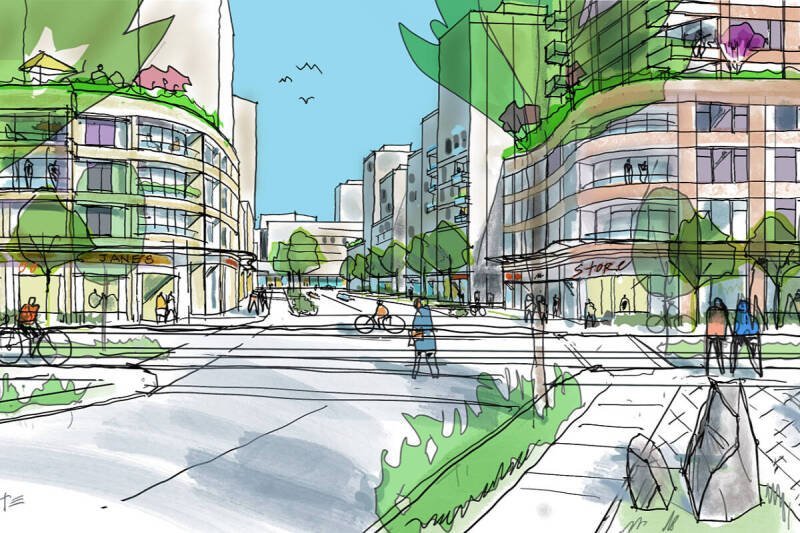
Singapore, despite its dense urban environment, has transformed itself into a leader in sustainability. Its "City in Nature" vision focuses on integrating nature into the urban fabric, creating a green and resilient environment. This includes implementing innovative water management strategies, developing extensive green infrastructure, and prioritizing biodiversity conservation.
Key Strategies of Singapore's Approach
- Integrated Water Management: Singapore has invested heavily in collecting and treating rainwater, recycling wastewater (NEWater), and desalinating seawater. This diverse approach ensures a reliable water supply even during periods of drought.
- Green Infrastructure: The city-state has created a network of parks, gardens, and green corridors that help to mitigate the urban heat island effect, improve air quality, and provide recreational spaces for residents.
- Biodiversity Conservation: Singapore is actively working to protect and enhance its biodiversity through habitat restoration, species management, and public education.
Why This News Matters
The lessons from Singapore are incredibly relevant for Indian cities grappling with climate change. India's rapid urbanization and growing population density put immense pressure on its natural resources and infrastructure. Adopting strategies similar to Singapore’s can help Indian cities build resilience against climate risks, improve the quality of life for their residents, and create a more sustainable future.
For instance, many Indian cities rely heavily on monsoon rains for their water supply. With increasingly erratic rainfall patterns due to climate change, cities need to diversify their water sources, invest in rainwater harvesting, and improve water use efficiency. Similarly, expanding green spaces and implementing green building codes can help mitigate the urban heat island effect and improve air quality.
Our Analysis
In our opinion, Singapore’s success is not just about technology and infrastructure; it’s also about a long-term commitment to sustainability, strong governance, and public engagement. The “City in Nature” vision is embedded in Singapore’s national policies, and the government has consistently invested in research, innovation, and public awareness campaigns.
One of the key takeaways is that climate resilience requires a holistic and integrated approach. It's not enough to simply build physical infrastructure; cities also need to consider the social, economic, and environmental dimensions of sustainability. This includes engaging with local communities, promoting sustainable lifestyles, and creating economic opportunities in the green sector.
This could impact the future of urban planning in India if the government and city planners take this model seriously. It requires a significant shift in mindset, but the potential benefits for the environment and economy are substantial.
Future Outlook
Looking ahead, we expect to see increased collaboration between Singapore and Indian cities in the areas of urban planning, water management, and green technology. The Indian government has already launched several initiatives aimed at promoting sustainable urban development, such as the Smart Cities Mission and the Atal Mission for Rejuvenation and Urban Transformation (AMRUT).
However, these initiatives need to be scaled up and accelerated to address the growing challenges posed by climate change. In our opinion, more emphasis needs to be placed on nature-based solutions, such as restoring wetlands, creating urban forests, and promoting green roofs and walls.
Ultimately, the success of climate resilience efforts in Indian cities will depend on the willingness of governments, businesses, and individuals to embrace sustainable practices and work together towards a common goal. It's a complex challenge, but one that we must address urgently to ensure a livable and prosperous future for all.