Malta Joins EU in Blaming Hezbollah: What It Means for Lebanon & Europe
Malta joins other EU states in blaming Hezbollah for the violence in Lebanon. Explore the implications, Malta's role, and future outlook.
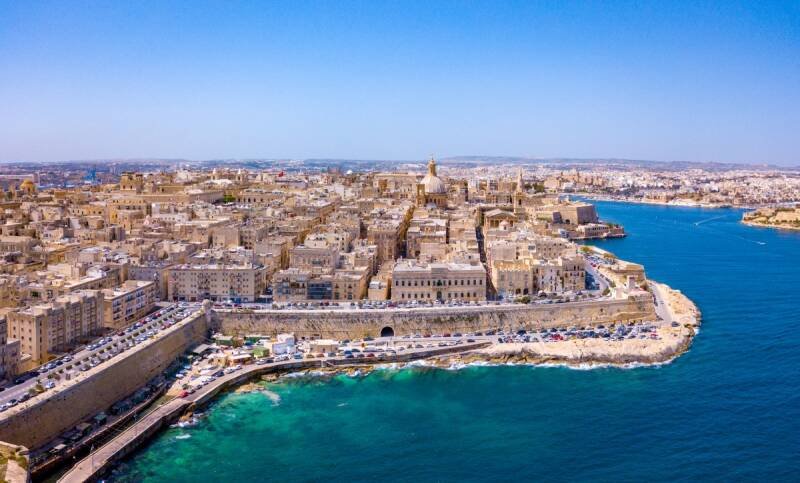



Malta joins other EU states in blaming Hezbollah for the violence in Lebanon. Explore the implications, Malta's role, and future outlook.
Malta has recently aligned itself with nine other EU nations in a joint statement that attributes the increasing violence in Lebanon to Hezbollah, an Iran-backed political party and militant group. This move, issued through the EU's diplomatic channels, signifies a growing concern within Europe regarding the escalating regional tensions and Hezbollah's alleged role in instigating them.
The statement specifically condemns attacks reportedly carried out by Hezbollah against Israel. It urges all parties involved to exercise restraint and prioritize de-escalation to prevent further conflict. This collective action highlights the EU's unified stance on maintaining stability in the region.
This is more than just a diplomatic statement. It represents a shift in European perceptions of Hezbollah and its impact on regional security. The EU's direct condemnation carries weight, signaling potential future actions, which could include stricter sanctions or increased diplomatic pressure. Furthermore, Malta's participation highlights the nation's commitment to EU foreign policy and its willingness to take a stand on international issues, even those geographically distant. For Malta, a nation striving for influence within the EU, this demonstrates its active role in shaping European responses to global challenges.
In our opinion, this joint statement is a calculated move. While it condemns the violence, it also strategically avoids explicitly labeling Hezbollah as a terrorist organization by all EU members. Some member states, notably, already consider Hezbollah’s military wing as such. This cautious approach suggests an attempt to maintain diplomatic channels, however strained, and to leave room for potential mediation efforts. The statement avoids specific details of the attacks to ensure the message remains consistent across all countries signing it.
The inclusion of Malta in this joint statement is significant. It demonstrates that Malta is actively engaging in EU foreign policy decisions, even when they relate to regions far removed from its immediate geographic concerns. This could potentially raise Malta's profile within the EU and strengthen its diplomatic influence. This could impact Malta's future relationship with other Middle Eastern countries and it could also affect trade relationships.
The future implications of this statement are multifaceted. It could lead to:
However, the statement's effectiveness hinges on its ability to translate into concrete action. Without tangible consequences, it risks being perceived as mere rhetoric. This could in turn undermine the EU's credibility as a peacemaker. In our opinion, the EU will need to follow up this statement with concrete actions in the coming weeks to demonstrate its commitment to stability in the region. If not, it will weaken the message.
Ultimately, the situation in Lebanon is complex and requires a multifaceted approach. While condemning violence is essential, the EU must also address the underlying political and economic issues that fuel the conflict. A long-term solution will require genuine dialogue and compromise from all parties involved, and a willingness to address the root causes of instability.