Malaysia Strengthens Gig Worker Rights: Tribunal and Council Appointed
Malaysia takes a significant step in protecting gig workers by appointing members to a tribunal and council under the Gig Workers Act 2025. Learn about the implications for gig workers and the future of the gig economy in Malaysia.
Malaysia Takes Action to Protect Gig Workers
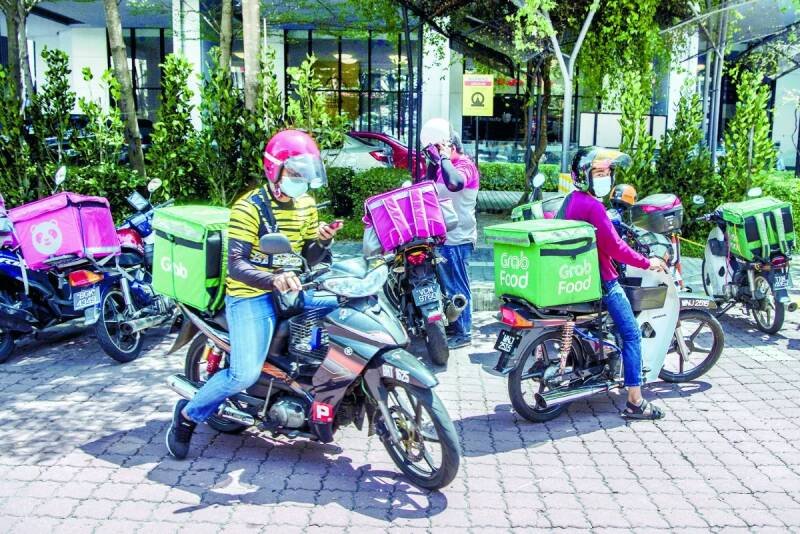
Malaysia is making significant strides in safeguarding the rights and welfare of its growing gig workforce. The recent appointment of members to a dedicated tribunal and council, operating under the Gig Workers Act 2025, marks a pivotal moment for the nation's gig economy. This move aims to provide better protection and a fair system for resolving disputes for individuals engaged in gig work.
What's the Gig Workers Act 2025?
The Gig Workers Act 2025 is legislation designed to address the unique challenges and vulnerabilities faced by gig workers. Unlike traditional employees, gig workers often lack access to standard employment benefits like social security, healthcare, and paid leave. The Act seeks to bridge this gap by establishing a framework for ensuring fair treatment and access to essential protections. The tribunal and council are key components of this framework.
The Role of the Tribunal and Council
The newly appointed tribunal will serve as a specialized court to handle disputes between gig workers and the platforms they work for. This provides a quicker and more accessible avenue for resolving conflicts compared to traditional court systems. The council, on the other hand, will be responsible for advising the government on policy matters related to the gig economy. This includes recommending improvements to existing regulations and developing new strategies to support gig workers.
Why This News Matters
This news is significant for several reasons:
* **Enhanced Protection for Gig Workers:** The tribunal and council provide gig workers with a dedicated mechanism for addressing grievances and advocating for their rights.
* **Fairer Gig Economy:** By ensuring fairer treatment and access to protections, the Act contributes to a more equitable gig economy.
* **Economic Stability:** Supporting gig workers can contribute to greater economic stability by providing them with a safety net and opportunities for advancement.
Our Analysis
In our opinion, this is a welcome development that reflects a growing recognition of the importance of the gig economy and the need to protect the rights of gig workers. The appointment of experienced and knowledgeable individuals to the tribunal and council is crucial for ensuring the effectiveness of the Gig Workers Act 2025. The success of these bodies will largely depend on their ability to navigate the complexities of the gig economy and to strike a balance between the interests of gig workers, platforms, and consumers.
We believe the establishment of the tribunal is particularly important. Gig workers often face an imbalance of power when dealing with large platforms. Having a dedicated avenue for dispute resolution, specifically designed for gig work related issues, levels the playing field and provides a necessary safeguard against exploitation.
Future Outlook
Looking ahead, several key areas will require attention:
* **Awareness and Education:** It's essential to raise awareness among gig workers about their rights and the resources available to them under the Gig Workers Act 2025.
* **Effective Enforcement:** The tribunal must be empowered to effectively enforce its decisions and ensure that platforms comply with the law.
* **Continuous Improvement:** The council should continuously monitor the gig economy and recommend improvements to the Act to address emerging challenges and opportunities.
* **Social Security and Benefits:** This move could impact the larger conversation around providing social security and benefits to gig workers. Further discussions on how to provide healthcare and retirement plans are now more likely.
The implementation of the Gig Workers Act 2025 and the functioning of the tribunal and council will be closely watched by other countries grappling with similar challenges. The Malaysian experience could serve as a valuable model for promoting a fairer and more sustainable gig economy globally. It will be crucial to monitor how this act plays out in real time. In our opinion, this is a positive first step, but continued vigilance and adaptation will be necessary to truly protect gig workers.