King Charles, Prince Harry US Visit Snub: What It Means
King Charles III won't meet Prince Harry during his US visit. We analyze the reasons, impact, and future outlook of this royal rift.
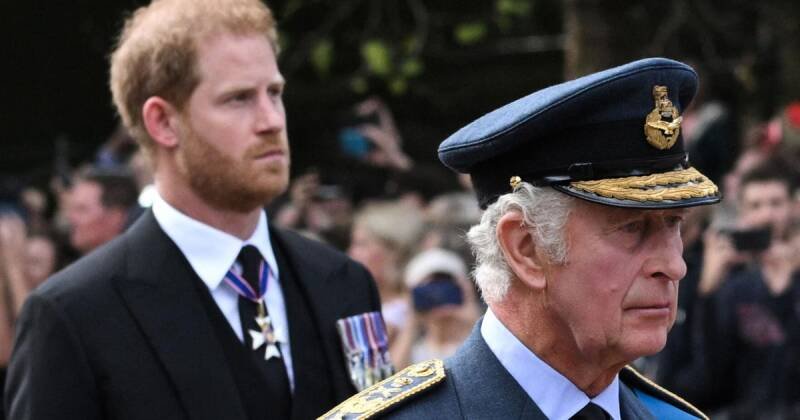



King Charles III won't meet Prince Harry during his US visit. We analyze the reasons, impact, and future outlook of this royal rift.
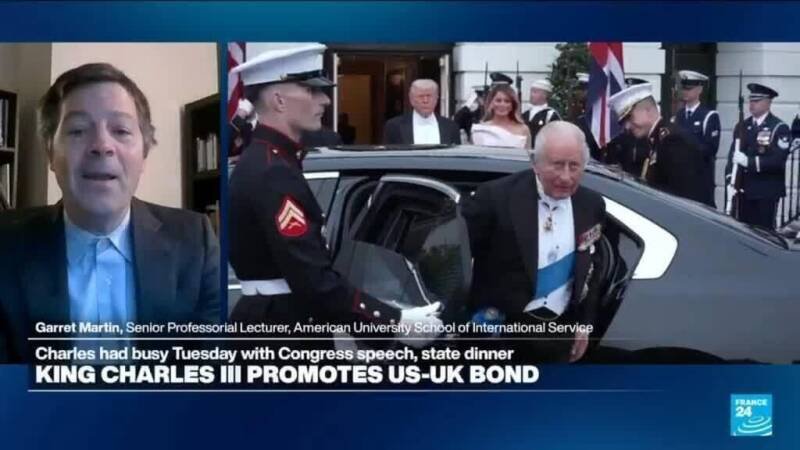
Reports confirm that King Charles III and his son, Prince Harry, will not meet during the King's upcoming state visit to the United States in April. This news underscores the ongoing tension within the British Royal Family.
The King is scheduled to visit the US in April for a "Historic State Visit" hosted by former President Donald Trump, as he mentioned in a recent statement. However, despite Harry residing in California, a meeting between father and son is not on the agenda. This absence speaks volumes about the current state of their relationship.
The relationship between Prince Harry and the Royal Family has been strained for years, particularly since Harry and his wife, Meghan Markle, stepped down as senior royals in 2020 and moved to the United States. Their subsequent interviews and Harry's memoir, "Spare," have further widened the divide, revealing intimate and often critical details about the inner workings of the monarchy.
These revelations have reportedly caused significant friction and resentment within the Royal Family, making reconciliation difficult. The King's decision not to meet with Harry during his US visit appears to be a direct consequence of this strained dynamic.
This lack of a meeting is not just a personal family matter; it reflects the broader challenges facing the British monarchy in modern times. The Royal Family is a symbol of tradition and stability, but it must also navigate the complexities of public opinion and the evolving expectations of its members. The ongoing rift between Harry and the family highlights the difficulties in balancing these competing demands.
Furthermore, the public's perception of the Royal Family is closely tied to its ability to present a united front. This continued division risks undermining the monarchy's authority and relevance, especially among younger generations.
In our opinion, the absence of a meeting suggests that the Royal Family is prioritizing institutional stability over personal reconciliation, at least in the short term. The potential damage to the monarchy's reputation from further public disagreements likely outweighs any perceived benefit from a private meeting.
However, we also believe that this decision could be a missed opportunity. A public show of unity, even if superficial, could have helped to repair the Royal Family's image and demonstrate a willingness to move forward. By avoiding a meeting, both sides risk perpetuating the cycle of conflict and resentment.
The future of the relationship between King Charles and Prince Harry remains uncertain. While the current situation suggests a continued impasse, it is possible that reconciliation could occur in the future, perhaps facilitated by time and a shift in priorities.
This could impact the monarchy by continuing a negative narrative in the media and creating more division amongst the public. It's possible, in our opinion, that without mending this relationship, the perception of the family as a whole could suffer.
Ultimately, the fate of the Royal Family's relationship with Prince Harry depends on the willingness of all parties to engage in honest and constructive dialogue. Only time will tell whether they can overcome the challenges and forge a more positive path forward.