Israel Warns of Strikes on Lebanon-Syria Border: What It Means for Regional Stability
Israel threatens action on the Lebanon-Syria border. Explore the potential consequences for regional stability, Hezbollah's role, and the escalating tensions.



Israel threatens action on the Lebanon-Syria border. Explore the potential consequences for regional stability, Hezbollah's role, and the escalating tensions.
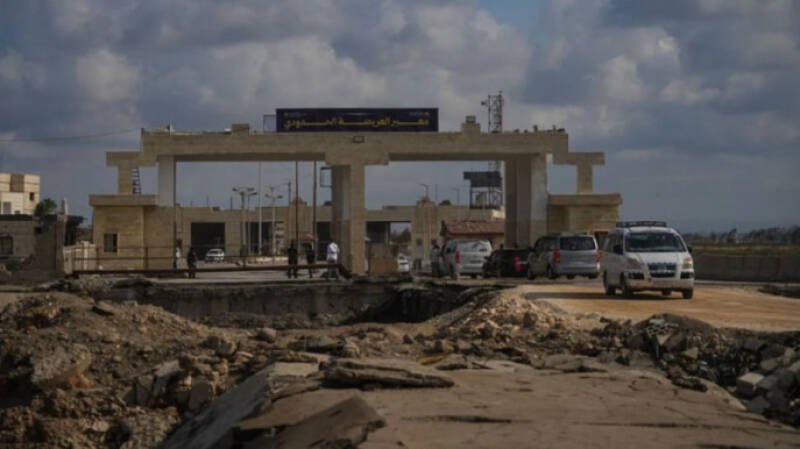
Tensions are rising in the Middle East as Israel has announced it is prepared to strike the Lebanon-Syria border crossing. This move comes amidst ongoing conflict involving Hezbollah, the Lebanese militant group backed by Iran, and heightened concerns about regional stability.
Since March 2nd, when Hezbollah entered the ongoing conflict on the side of Iran, its primary backer, Israel has responded with strikes across Lebanon and even launched a ground invasion in the southern part of the country. This latest threat to target the Lebanon-Syria border crossing represents a significant escalation in Israel's approach.
Israel claims these actions are necessary to defend its territory and prevent Hezbollah from further destabilizing the region. They accuse Hezbollah of using Lebanese territory to launch attacks against Israeli targets.
The threatened strikes on the Lebanon-Syria border have far-reaching implications:
In our opinion, Israel's threat to strike the Lebanon-Syria border is a calculated move designed to deter Hezbollah and limit its operational capabilities. By targeting the border crossing, Israel aims to disrupt Hezbollah's supply lines and prevent the movement of fighters and weapons.
However, this strategy carries significant risks. It could provoke a more aggressive response from Hezbollah, potentially leading to a full-scale war. Furthermore, striking Syrian territory could escalate tensions with the Syrian government and its allies, further complicating the situation.
This could impact the entire region, especially given the proximity of other active conflict zones.
Here's a look at some potential outcomes:
The future remains uncertain. The key to de-escalation lies in diplomatic efforts to address the underlying tensions between Israel and Hezbollah. A negotiated settlement that addresses Israel's security concerns and Lebanon's sovereignty is crucial.
However, the current political climate makes a diplomatic breakthrough unlikely. As long as Hezbollah continues to operate along the border and Iran continues to support its activities, tensions are likely to remain high. We believe continued international pressure on all parties is vital to prevent further escalation and promote a peaceful resolution to the conflict.
The situation is incredibly fluid, and ongoing monitoring of events on the ground, as well as diplomatic activity, is essential to understanding how events will unfold. The potential for miscalculation and escalation remains significant.