Israel-Lebanon Ceasefire: What it Means for the Region and Beyond
Donald Trump announces a 10-day ceasefire between Israel and Lebanon. We break down the implications, analyze the situation, and discuss the future outlook. Is this a real step towards peace?
Trump Announces Israel-Lebanon Ceasefire: A Sign of Hope?
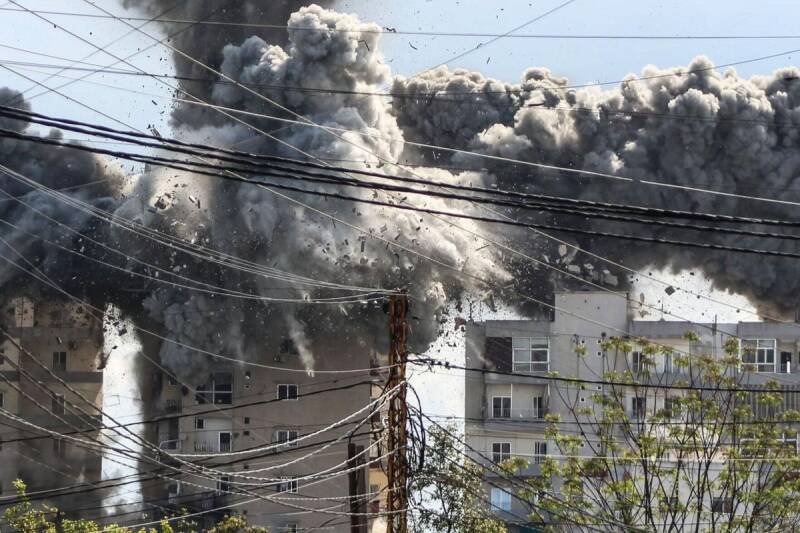
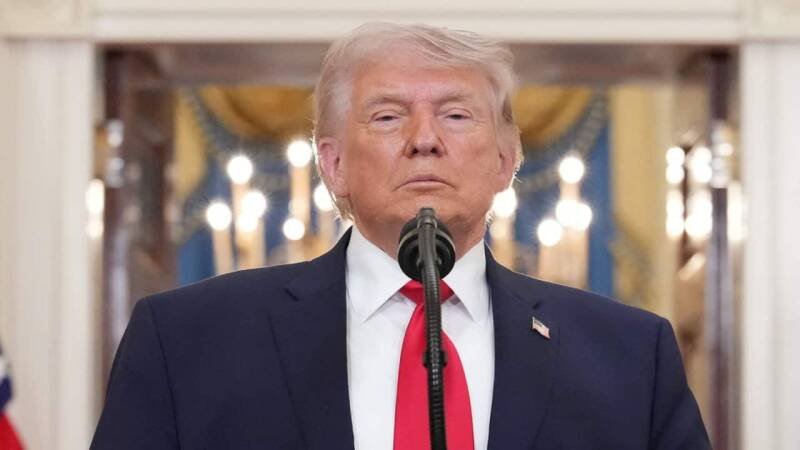
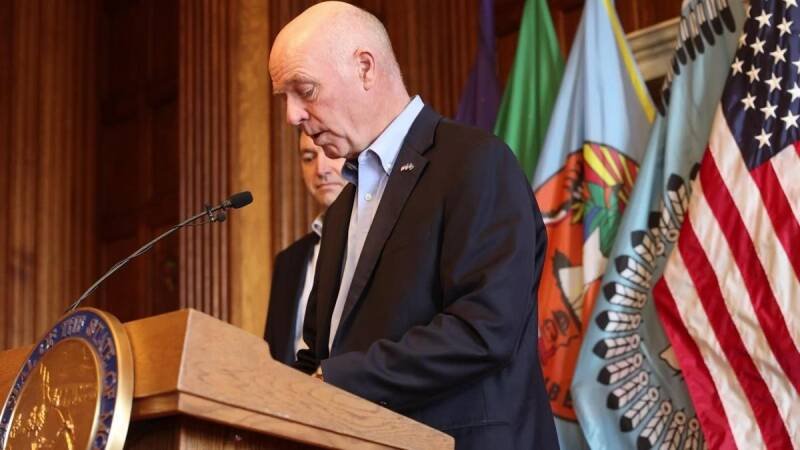
Former US President Donald Trump has announced that Israel and Lebanon have agreed to a 10-day ceasefire. This announcement comes amid ongoing tensions in the region, particularly with Israel's simultaneous involvement in a broader conflict possibly involving Iran.
The news, initially delivered by Trump himself, suggests a temporary pause in hostilities between Israel and Lebanon, offering a glimmer of hope for de-escalation.
The Ceasefire Agreement
Details about the ceasefire agreement remain scarce. What is known is the stated duration of 10 days. The specifics about which parties are involved beyond the governments of Israel and Lebanon, the terms of the agreement, and any mechanisms for enforcement are currently unclear. Typically, a ceasefire involves halting all military actions by both sides, but without details, it is hard to know what is in this one.
Why This News Matters
A ceasefire, even a temporary one, is significant for several reasons:
- Reduced Violence: It directly reduces the risk of casualties and further destruction in the region.
- Opportunity for Dialogue: A pause in fighting can provide a window for diplomatic efforts to address the underlying causes of the conflict.
- Regional Stability: Any de-escalation of tensions between Israel and Lebanon could contribute to greater stability in the wider Middle East.
- Humanitarian Relief: A cessation of hostilities can allow for the delivery of much-needed humanitarian aid to affected populations.
Our Analysis
While the announcement of a ceasefire is a positive development, skepticism is warranted. Here's why:
- Trump's Role: With Trump out of office, his direct involvement is questionable. Is he speaking with authority on the matter or acting as an unofficial mediator?
- Past Ceasefires: History is filled with ceasefires that break down quickly. The real test is whether both sides are genuinely committed to finding a long-term solution.
- The Iran Factor: The announcement mentions the ceasefire occurring parallel to a potential war with Iran. This makes the situation even more complex. Any escalation with Iran could easily derail the Israel-Lebanon ceasefire.
In our opinion, the success of this ceasefire hinges on several factors, including the willingness of both sides to engage in good-faith negotiations and the ability of international actors to provide support and mediation.
It's also important to consider the internal political dynamics in both Israel and Lebanon, which could influence their commitment to the ceasefire.
Potential Challenges
Even with the best intentions, several challenges could undermine the ceasefire:
- Hezbollah: The role of Hezbollah, a powerful political and military organization in Lebanon, is crucial. Their adherence to the ceasefire will be critical.
- Border Disputes: Long-standing border disputes between Israel and Lebanon remain unresolved and could trigger renewed conflict.
- External Interference: Actions by external actors, such as Iran or other regional powers, could destabilize the situation.
Future Outlook
The future outlook for the Israel-Lebanon situation is uncertain. This ceasefire is a small step, but it is not a guarantee of lasting peace. The next few days and weeks will be crucial in determining whether this temporary pause can be transformed into a more durable agreement.
This could impact the wider region as a whole. A successful ceasefire could create a blueprint for de-escalation in other conflict zones.
To achieve lasting peace, several key steps are needed:
- Direct Negotiations: Israel and Lebanon need to engage in direct negotiations to address the root causes of the conflict.
- International Support: The international community must provide financial and political support to both countries to promote stability and development.
- Confidence-Building Measures: Both sides need to implement confidence-building measures to reduce tensions and build trust.
Ultimately, the future of the Israel-Lebanon relationship depends on the willingness of both sides to prioritize peace and stability over short-term political gains. This announcement might well be a turning point; or just another pause before more conflict.