Israel-Lebanon Ceasefire: Trump Announces Deal, What It Means for the Region
President Trump announces a 10-day ceasefire between Israel and Lebanon. What does this mean for regional stability and the ongoing tensions with Iran? Our analysis and future outlook.
Trump Announces Israel-Lebanon Ceasefire: A Step Towards Peace?
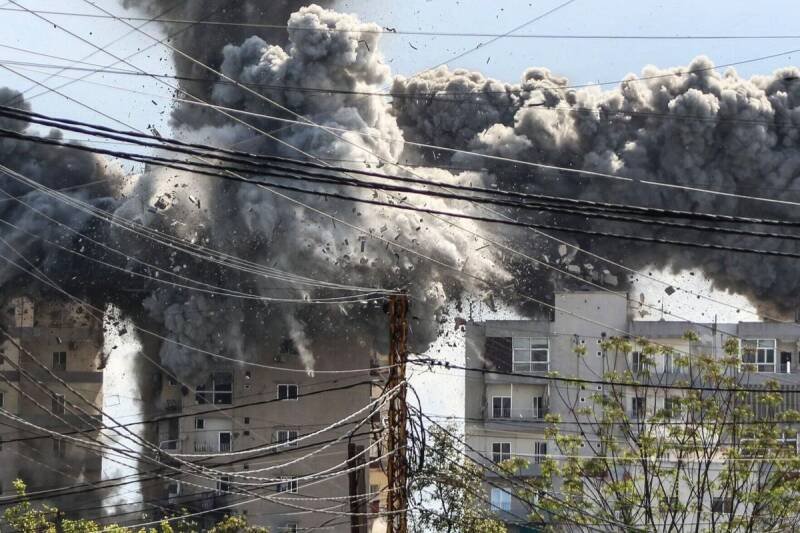
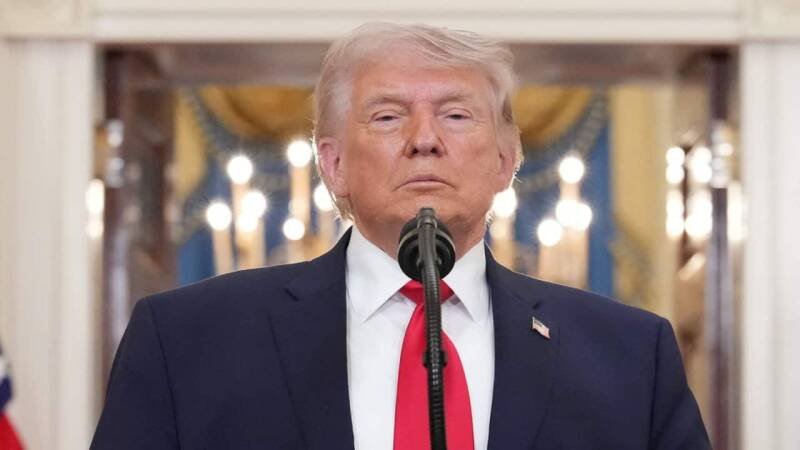
President Donald Trump announced on Thursday that Israel and Lebanon have agreed to a 10-day ceasefire. This news offers a potential glimmer of hope in a region often marred by conflict. The ceasefire aims to pause the ongoing tensions between the two nations, tensions which have escalated in parallel to broader regional instability, including the conflict involving Iran.
What We Know So Far
While details remain somewhat sparse, the core message is clear: both Israel and Lebanon have committed to a temporary cessation of hostilities. The duration of the ceasefire is set for 10 days, providing a window of opportunity for further negotiations and de-escalation efforts. This is a welcome development after a period of heightened tensions. However, the long-term implications remain to be seen.
Why This News Matters
This ceasefire is significant for several reasons:
- Regional Stability: A stable border between Israel and Lebanon is crucial for the overall stability of the Middle East.
- Humanitarian Concerns: Ceasing hostilities can alleviate suffering for civilians living in the affected areas.
- Diplomatic Opportunity: The 10-day window provides an opportunity for deeper dialogue and potentially a more lasting peace agreement.
- Iran Factor: The conflict has been linked to the broader tensions between Israel and Iran. A de-escalation here could ease those tensions as well.
Our Analysis
In our opinion, this announcement, while positive, should be approached with cautious optimism. Ceasefires are often fragile and can easily be broken. The success of this agreement will depend heavily on the willingness of both sides to adhere to the terms and engage in meaningful negotiations during the 10-day period.
The involvement of President Trump in brokering this ceasefire also adds a layer of complexity. His administration has been a strong ally of Israel, and any perceived bias could potentially hinder long-term progress. However, his direct involvement demonstrates a commitment to finding a solution.
The Broader Context: Israel, Lebanon, and Iran
Understanding the relationship between Israel, Lebanon, and Iran is crucial to grasping the significance of this ceasefire. Lebanon has a complex political landscape, with Hezbollah, a powerful political and military organization backed by Iran, playing a significant role. Israel views Hezbollah as a major threat, and clashes between the two have been frequent over the years.
The conflict with Iran, primarily a proxy war fought through regional actors, further complicates the situation. Any escalation between Israel and Hezbollah risks drawing Iran into the conflict directly, potentially leading to a wider regional war.
Future Outlook
The next 10 days will be critical in determining the future of this ceasefire. Key factors to watch include:
- Adherence to the Ceasefire: Will both sides refrain from any acts of aggression?
- Negotiations: Will meaningful dialogue take place to address the underlying issues?
- International Involvement: Will other international actors, such as the United Nations, play a role in mediating the conflict?
This could impact the ongoing tensions in the region. If the ceasefire holds and leads to further negotiations, it could pave the way for a more stable and peaceful future. However, if it collapses, it could lead to a renewed escalation of violence and further instability.
Ultimately, the success of this ceasefire hinges on the commitment of all parties involved to prioritize peace and stability over conflict. While the announcement is a positive step, much work remains to be done to ensure a lasting solution.