Iran Hints at Strait of Hormuz Opening Amid US Talks: What It Means
A senior Iranian official suggests a potential controlled opening of the Strait of Hormuz if progress is made in talks with the US. Learn why this matters, our analysis, and the future outlook.
Iran Hints at Strait of Hormuz Opening Amid US Talks
A senior Iranian official has suggested that Iran might consider a limited and controlled opening of the Strait of Hormuz if progress is made in establishing a framework for talks with the United States. This announcement comes at a time of heightened tensions and could significantly impact global trade and energy security.
What is the Strait of Hormuz?
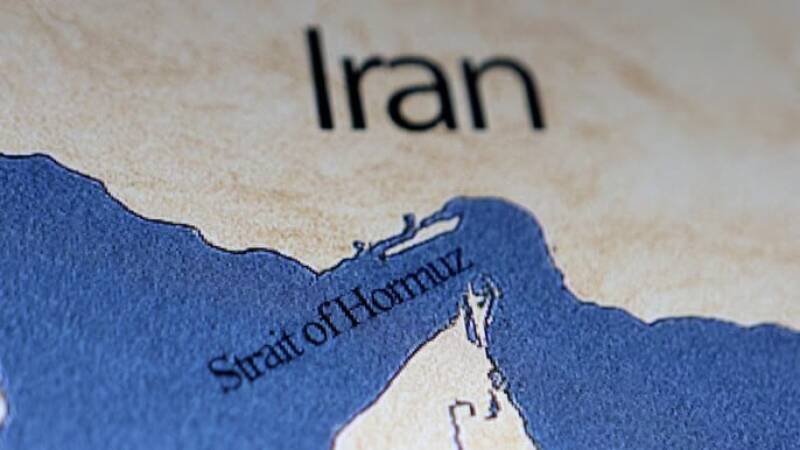
The Strait of Hormuz is a narrow waterway between Iran and Oman connecting the Persian Gulf to the Gulf of Oman and the Arabian Sea. It's a crucial chokepoint for global oil supplies, with a significant percentage of the world's oil passing through it daily. Any disruption to this vital shipping lane has immediate consequences for global energy markets.
The Announcement Details
According to the unnamed official, the opening would be "limited, under Iran's control," implying that Iran would maintain a level of oversight and influence over the waterway's traffic. This isn't a full unconditional opening, but rather a calculated move contingent on the outcome of preliminary discussions with the US.
Why This News Matters
The Strait of Hormuz is a critical artery for global trade, especially for oil. Any hint of disruption or control by a single nation sends ripples throughout the world economy. This news matters because it signals a potential de-escalation of tensions, but also highlights Iran's continued strategic importance in the region. The possibility of a controlled opening linked to negotiation progress suggests a willingness, however conditional, to engage diplomatically.
Our Analysis
In our opinion, this statement from the Iranian official is a carefully crafted message. It's a signal to the US that Iran is open to negotiation but also a reminder of its power and influence over a vital global trade route. Linking the Strait's accessibility to progress in talks is a clever bargaining chip.
It's important to remember that the situation is highly complex. Past attempts at negotiations between the US and Iran have been fraught with challenges and setbacks. This announcement could be a genuine attempt to reduce tensions, or it could be a tactic designed to pressure the US into making concessions.
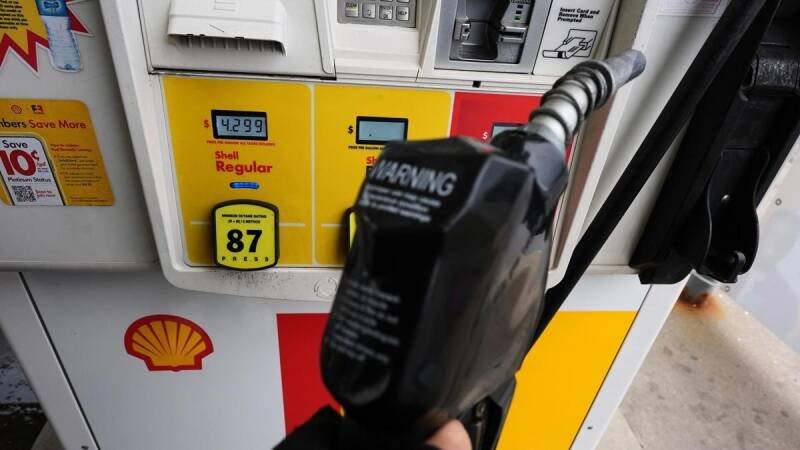
This could impact oil prices significantly. Even the suggestion of a potential opening could lead to a slight decrease in prices, while any perceived stalling of negotiations or increase in tensions could send prices soaring.
Future Outlook
The future of the Strait of Hormuz and its accessibility hinges on the success of any potential talks between Iran and the US. Several factors will influence the situation:
- The willingness of both sides to compromise: A genuine desire for a peaceful resolution is crucial.
- The scope of the negotiations: Will the talks focus solely on the Strait of Hormuz, or will they address broader geopolitical issues?
- The role of other international actors: Countries like China, Russia, and European nations could play a role in mediating discussions.
The next few weeks will be critical. If a framework for talks is established and progress is made, we could see a gradual easing of tensions and a more stable environment in the region. However, if the talks fail, the risk of escalation will remain high, potentially leading to further disruptions in the Strait of Hormuz and significant consequences for the global economy. In our opinion, a cautious optimism is warranted, but close monitoring of the situation remains crucial.