Iran Defies Trump's Ultimatum: Analyzing the Hormuz Strait Standoff
Iran rejects Trump's ultimatum to open the Strait of Hormuz, sparking concerns over potential conflict. Our analysis explores the implications and future outlook of this escalating situation.
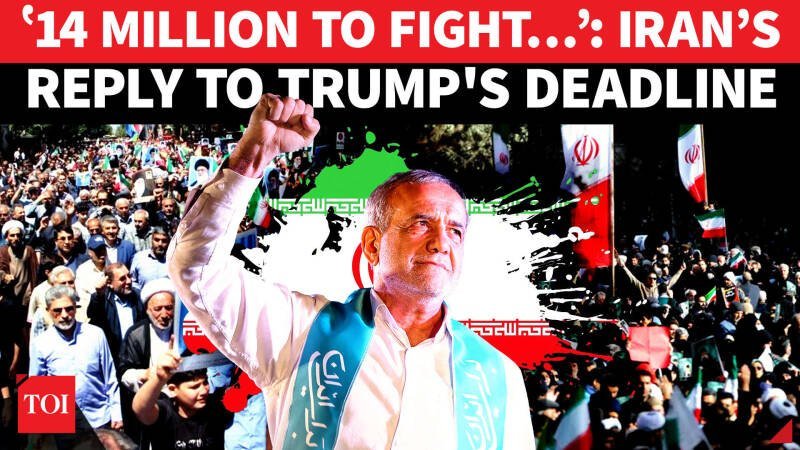
Iran Defies Trump's Hormuz Ultimatum: "14 Million Ready To Crush..."
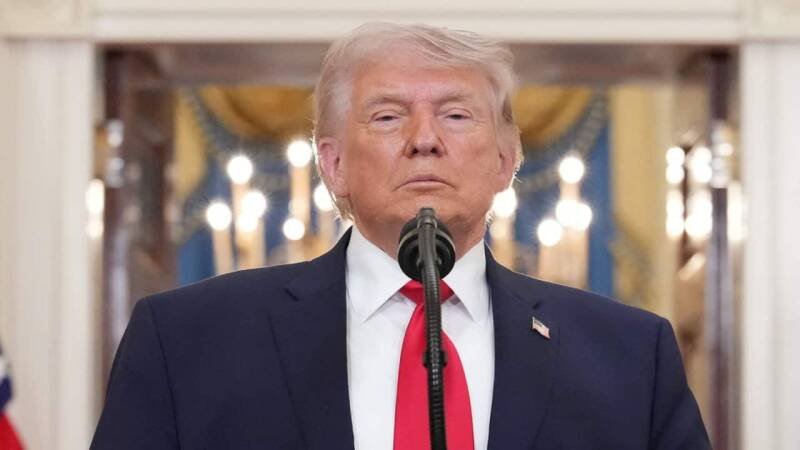
Tensions in the Middle East are escalating as Iran openly defied a deadline set by former US President Donald Trump regarding the Strait of Hormuz. Masoud Pezeshkian, an Iranian presidential candidate, issued a defiant statement, signaling Iran's unwillingness to concede to Trump's demands. Trump threatened significant repercussions, including the destruction of Iranian infrastructure, if Tehran didn't comply by his Tuesday 8 PM deadline.
The Strait of Hormuz is a crucial waterway for global oil supplies, connecting the Persian Gulf to the Gulf of Oman and the Arabian Sea. A significant portion of the world's oil passes through this narrow chokepoint, making it a strategically vital area.
Pezeshkian's Strong Response
Pezeshkian's response, posted on X (formerly Twitter), was assertive. He declared that he, along with 14 million other Iranians, were prepared to sacrifice their lives for their nation. This demonstrates a willingness to resist external pressure, even in the face of dire threats.
Trump's Threat of Infrastructure Destruction
Trump's comments have been controversial, particularly his apparent disregard for potential war crimes. He stated he was "not at all" concerned about such implications when threatening to destroy Iranian power plants and bridges if his ultimatum wasn't met. This aggressive rhetoric has further inflamed the already volatile situation.
Why This News Matters
This standoff is significant for several reasons:
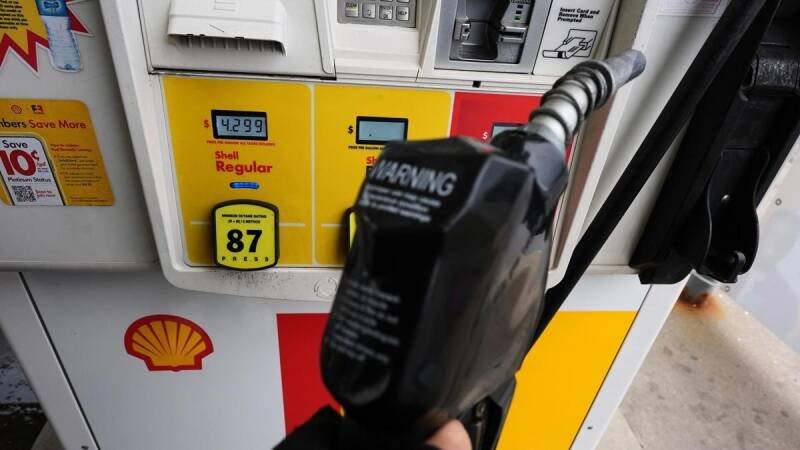
- Global Oil Supply: Any disruption to the Strait of Hormuz could trigger a spike in global oil prices, impacting economies worldwide.
- Regional Stability: Increased tensions between the US and Iran destabilize the entire Middle East, potentially leading to a broader conflict.
- International Law: Trump's statements raise serious questions about the legality and morality of targeting civilian infrastructure during armed conflict.
- US-Iran Relations: This event further strains the already fraught relationship between the two nations.
Our Analysis
In our opinion, Trump's ultimatum was an unnecessarily provocative move. While securing the Strait of Hormuz is undeniably important for global trade, threatening to destroy Iranian infrastructure risks escalating the situation beyond control. Pezeshkian's response, while nationalistic, reflects a deep-seated resentment towards external interference in Iranian affairs.
The timing of this event is also important. With Iranian presidential elections approaching, Pezeshkian's strong stance could be interpreted as an attempt to rally support and project an image of strength and resolve. It's a calculated gamble that could pay off politically, even if it exacerbates international tensions.
This could impact the global markets if tensions continue to escalate. Oil prices will likely be sensitive to any further developments, and increased geopolitical uncertainty could negatively affect investor sentiment.
Future Outlook
The future of this situation is uncertain. Several potential scenarios could unfold:
- De-escalation: Diplomatic efforts could lead to a de-escalation of tensions, with both sides stepping back from the brink of conflict. This seems unlikely given the current rhetoric.
- Limited Confrontation: A limited military confrontation in the Strait of Hormuz could occur, potentially involving naval forces or targeted strikes.
- Broader Conflict: A full-scale war between the US and Iran remains a possibility, though it would have devastating consequences for both nations and the region.
Ultimately, the future depends on the decisions made by political leaders in both Washington and Tehran. A more measured and diplomatic approach is crucial to prevent further escalation and secure stability in the region. The international community must also play a role in facilitating dialogue and finding a peaceful resolution to this crisis. We believe the coming weeks will be critical in determining the direction of US-Iran relations and the stability of the Middle East.