Inter-Sectoral Coordination Boosts Administrative Reform
The Ministry of Justice, Public Security, and Science & Technology are joining forces to streamline administrative procedures. Learn why this matters, our analysis, and the future outlook.
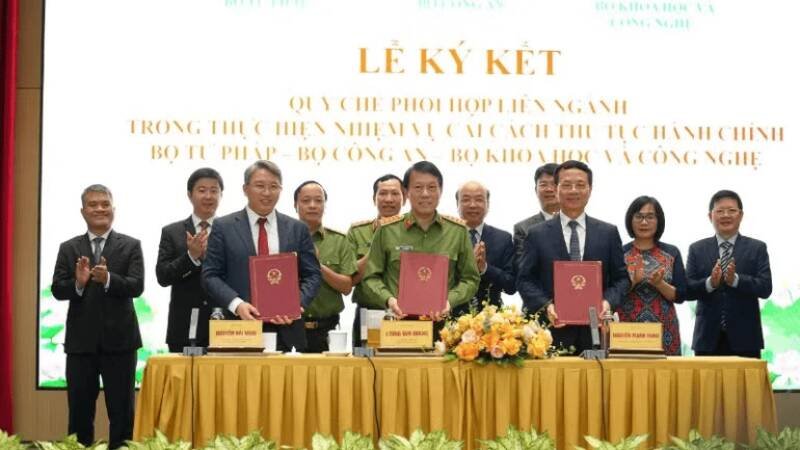



The Ministry of Justice, Public Security, and Science & Technology are joining forces to streamline administrative procedures. Learn why this matters, our analysis, and the future outlook.
In a significant step towards improving government efficiency, the Ministry of Justice, the Ministry of Public Security, and the Ministry of Science and Technology in Vietnam have signed and implemented Inter-sectoral Coordination Regulations. This agreement aims to streamline administrative procedures, making them more effective and aligned with national development goals and public expectations.
Administrative procedure reform refers to the process of simplifying, modernizing, and improving the way government agencies operate and interact with citizens and businesses. This can involve reducing paperwork, utilizing technology, and improving transparency.
This inter-sectoral coordination is crucial for several reasons:
This agreement represents a positive step towards a more efficient and citizen-centric government. In our opinion, the success of this initiative hinges on effective implementation and ongoing communication between the participating ministries. The key will be how well these agencies can overcome traditional bureaucratic silos and truly collaborate. This initiative also underscores the government's commitment to modernizing its operations and creating a more favorable environment for economic development. The move highlights a push for a unified front in governance. This could impact the way other ministries operate in the future, and could lead to even more reform in other sectors.
While the potential benefits are significant, there are also potential challenges to consider:
The success of this initiative will depend on several factors, including the commitment of the participating ministries, the effectiveness of the implementation process, and the availability of resources. We believe that this inter-sectoral coordination could pave the way for similar initiatives involving other government agencies. This, in turn, could lead to a more comprehensive and impactful administrative reform across the country. The government is also pushing for double-digit growth in science and technology, so this administrative reform is likely to facilitate that goal by streamlining approvals and processes related to innovation and research.
Furthermore, the political landscape will play a role. The Party leader's call for effective implementation of national security protection tasks suggests that security considerations will be integrated into these reformed procedures. This might add another layer of complexity but is likely deemed necessary. Future initiatives, if successful, should see an increase in foreign direct investment and a general improvement in the ease of doing business in Vietnam.