Illinois School Expulsion Law: A Citizen's Fight for Change
Learn about the citizen advocate pushing for tougher expulsion laws in Illinois schools, the proposed Senate Bill 2991, and what it could mean for student safety.
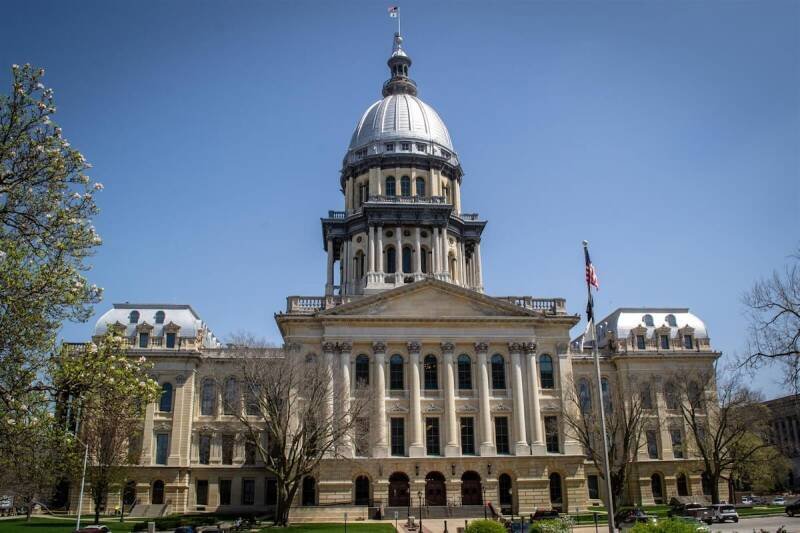



Learn about the citizen advocate pushing for tougher expulsion laws in Illinois schools, the proposed Senate Bill 2991, and what it could mean for student safety.
In Illinois, a dedicated citizen advocate is once again spearheading efforts to strengthen school expulsion laws. This individual, demonstrating remarkable persistence, is working to create a safer learning environment for all students. Their efforts center around a proposed bill aimed at providing schools with more tools to address serious misconduct.
This isn't the first time this advocate has championed this cause. Last year, a similar initiative, Senate Bill 98, faced roadblocks and ultimately didn't progress past the committee stage. Undeterred, they've returned with Senate Bill 2991, hoping to gain the traction necessary to turn the idea into reality.
The details of Senate Bill 2991 are still unfolding, but it's expected to focus on expanding the grounds for expulsion, streamlining the expulsion process, and ensuring that expelled students receive the support they need to continue their education elsewhere. The goal is to create a system that balances the need for student safety with the right of every child to an education.
The push for tougher expulsion laws highlights a growing concern about student safety and discipline in Illinois schools. Many believe that current laws are inadequate to address issues like bullying, violence, and other disruptive behaviors. This proposed legislation represents an attempt to give schools more authority to remove problematic students and create a more conducive learning environment for everyone else.
For parents, teachers, and students, this news is incredibly important. It has the potential to drastically change the way schools handle disciplinary matters and could ultimately impact the overall climate of Illinois's educational system.
In our opinion, the citizen advocate's dedication is truly admirable. It takes an immense amount of effort and resilience to navigate the complexities of the legislative process, especially after facing setbacks. Their commitment underscores the importance of individual action in shaping public policy.
We believe that the success of Senate Bill 2991 hinges on several factors. Firstly, it will require strong bipartisan support in the Illinois legislature. Secondly, the bill needs to address concerns from various stakeholders, including teachers' unions, school administrators, and civil rights organizations. Finally, the bill must be carefully crafted to avoid unintended consequences, such as disproportionately affecting minority students or students with disabilities.
A potential challenge will be addressing the root causes of student misconduct. Simply expelling students without providing them with the necessary support and resources could exacerbate the problem in the long run. Effective solutions require a multi-faceted approach that includes early intervention programs, mental health services, and alternative educational pathways.
The future of Senate Bill 2991 is uncertain, but the advocate's persistence suggests a strong determination to see this legislation through. The coming months will be crucial as the bill moves through the committee process and faces potential amendments.
This could impact school safety across Illinois. If passed, SB2991 would give schools greater latitude to remove students who pose a safety risk, potentially creating safer environments for other students. However, if SB2991 fails to pass, proponents will likely continue to advocate for stronger expulsion laws, keeping the issue at the forefront of the education policy debate.
Ultimately, the fate of Senate Bill 2991 will shape the future of school discipline and student safety in Illinois. Whether it succeeds or fails, the advocate's dedication has already brought much-needed attention to this critical issue, sparking a conversation that will likely continue for years to come.