Heiltsuk Nation Oil Spill Fight: Seeking Justice in London
The Heiltsuk Nation is taking their fight for compensation over the Nathan E. Stewart oil spill to London. Learn about the spill's lasting impact and the Nation's pursuit of justice.



The Heiltsuk Nation is taking their fight for compensation over the Nathan E. Stewart oil spill to London. Learn about the spill's lasting impact and the Nation's pursuit of justice.
The Heiltsuk Nation, an Indigenous community in British Columbia, Canada, is escalating its fight for compensation related to the devastating Nathan E. Stewart oil spill. Frustrated with the lack of adequate redress, they are now taking their case to London, aiming to shine an international spotlight on the lasting environmental and cultural damage.
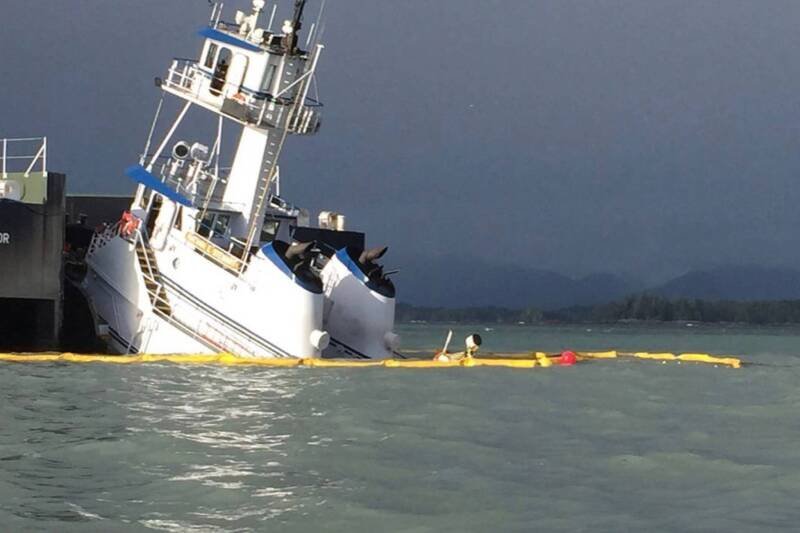
In October 2016, the tugboat Nathan E. Stewart ran aground and sank in Seaforth Channel, a critical waterway within Heiltsuk territory. The incident released over 110,000 liters of diesel fuel and other pollutants into the pristine waters, causing significant and enduring harm to the delicate ecosystem. This spill wasn't just an environmental disaster; it was a cultural tragedy for the Heiltsuk people, whose lives and traditions are deeply intertwined with the health of the ocean.
The Heiltsuk Nation has long argued that the compensation offered to date has been woefully insufficient to address the extensive damage caused by the spill. They claim the spill significantly impacted their ability to harvest traditional foods, disrupted cultural practices, and harmed the overall health of the marine environment. They are seeking fair compensation to help them restore their territory and preserve their cultural heritage.
This story is more than just a local incident; it's a powerful example of the struggles Indigenous communities face when environmental disasters threaten their way of life. It highlights the often-unequal power dynamics at play when corporations impact vulnerable communities. The Heiltsuk Nation's fight is a fight for environmental justice, cultural preservation, and Indigenous rights. It underscores the need for stronger environmental regulations, more robust spill response plans, and a greater commitment to respecting Indigenous knowledge and sovereignty.
The Heiltsuk Nation's decision to take their case to London represents a strategic move to exert international pressure. Maritime law is often complex and international in nature. By bringing the case to London, a major hub for maritime insurance and legal expertise, the Heiltsuk Nation aims to leverage its claim on an international stage. In our opinion, this bold move demonstrates their unwavering commitment to seeking justice and holding those responsible accountable.
This highlights a growing trend of Indigenous communities utilizing international avenues to advocate for their rights and environmental protection. It suggests that local disputes over resource management and environmental damage are increasingly becoming matters of global concern.
While the exact details of the compensation sought haven't been made public, it's clear that the Heiltsuk Nation believes the current offers fall far short of covering the true cost of the spill. The calculation of damages likely includes not only the direct environmental impact, but also the economic losses associated with disrupted fisheries, tourism, and other activities, as well as the immeasurable cultural losses that are difficult to quantify in monetary terms.
The outcome of this legal battle in London remains uncertain. However, the Heiltsuk Nation's efforts have already raised significant awareness about the lasting impacts of oil spills on vulnerable communities. This could impact future environmental regulations and spill response protocols. A successful outcome for the Heiltsuk Nation could set a precedent for other Indigenous communities seeking redress for environmental damages.
We anticipate increased scrutiny on the environmental practices of companies operating in sensitive ecosystems, and a greater emphasis on corporate social responsibility. The Heiltsuk Nation's fight is a reminder that environmental disasters have far-reaching consequences that extend beyond immediate financial costs and affect the cultural fabric of communities for generations to come.