Everest Climbing Season Delayed: What You Need to Know
The opening of the Everest climbing route is delayed due to a giant ice tower. Learn why this matters and what the future holds for climbers.
Everest Climbing Season Faces Delay Due to Massive Ice Tower
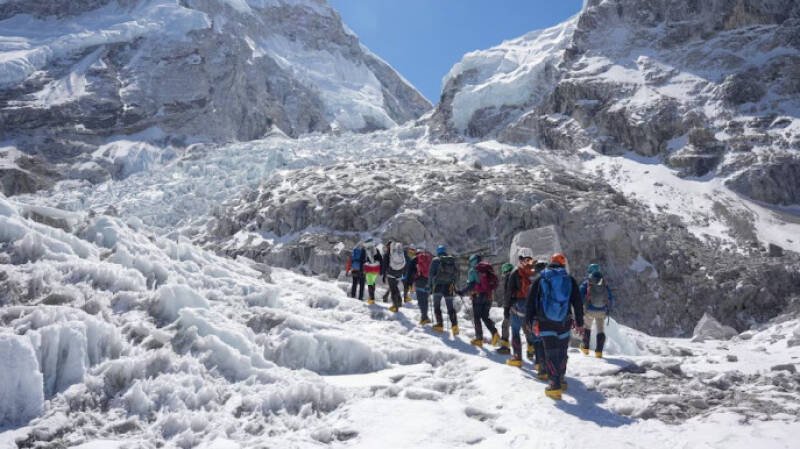
The highly anticipated Everest climbing season, typically running from April to May, might face delays this year. A colossal ice tower, precariously perched above the usual route, poses a significant threat to climbers and Sherpas. This prime climbing window, offering the most favorable weather conditions for summit attempts on the 8,849-meter (29,032-foot) peak, is now under scrutiny.
The Ice Tower Problem
An ice tower, in mountaineering terms, is a large, unstable formation of ice. These structures are inherently dangerous, as they can collapse unexpectedly, releasing massive amounts of ice and debris. The presence of such a large ice tower above the Khumbu Icefall, the treacherous passage at the base of Everest, presents a serious safety concern. The standard route usually takes climbers through parts of the Khumbu Icefall, known as one of the most dangerous parts of the entire climb.
The concern is that the ice tower could collapse onto the route below, endangering those traversing it. It's a race against time to find a solution, balancing safety with the limited climbing window.
Why This News Matters
This delay is more than just a logistical inconvenience; it's a stark reminder of the inherent risks associated with high-altitude mountaineering, compounded by potential climate change impacts. The timing of the Everest climbing season is crucial, and any disruption can have significant consequences for climbers, Sherpas, and the local economy that depends on mountaineering tourism.
* **Safety:** The most immediate concern is the safety of climbers and Sherpas. Navigating the Khumbu Icefall is already incredibly risky, and the presence of an unstable ice tower exacerbates the danger.
* **Economic Impact:** The Everest climbing season is a significant source of revenue for Nepal. Delays or cancellations can negatively impact local businesses, Sherpa communities, and the national economy.
* **Climate Change Implications:** While the formation of ice towers is a natural phenomenon, some experts believe that changing temperatures and glacial melt may be contributing to their increased instability.
Our Analysis
In our opinion, this situation highlights the delicate balance between pursuing adventure and mitigating risk in a changing environment. We believe that the authorities and climbing organizers need to prioritize safety above all else. This might involve rerouting the climbing path to avoid the ice tower altogether, a time-consuming and costly undertaking.
It’s also important to consider the long-term implications. Is this an isolated incident, or a sign of things to come? If climate change is indeed playing a role, we can expect to see more frequent and unpredictable ice formations, making the Everest climbing season increasingly challenging and dangerous.
Potential Solutions
Several options are being considered:
* **Rerouting:** Establishing a new path through the Khumbu Icefall that avoids the immediate vicinity of the ice tower.
* **Monitoring:** Closely monitoring the ice tower for signs of instability and implementing early warning systems.
* **Controlled Release:** In some cases, experts might attempt to trigger a controlled collapse of the ice tower to mitigate the risk. This is a very risky undertaking.
Future Outlook
The future of the Everest climbing season is uncertain. The immediate priority is to address the current ice tower threat and ensure the safety of climbers and Sherpas.
This could impact Nepal's climbing industry, with tourists opting to spend their money climbing other mountains where such risks are not as pronounced.
Looking ahead, we anticipate that climate change will continue to pose significant challenges to mountaineering in the Himalayas. Adapting to these challenges will require innovative solutions, including advanced monitoring technology, improved safety protocols, and a greater emphasis on sustainable climbing practices. It also means we will have to rely on the expertise and knowledge of local Sherpas even more.
Only time will tell if the climbing route can be adapted for the season. Climbers and Sherpas are holding their breath for further guidance.