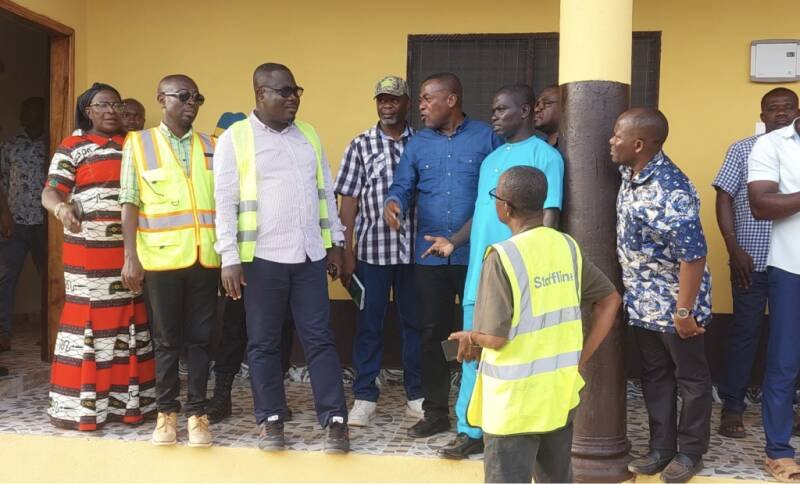
Bono Minister Pledges Accelerated National Development: What It Means For Ghana
The Bono Regional Minister reaffirms the government's commitment to accelerated national development. Learn what this pledge means for Ghana's future, its potential impact, and our expert analysis.
Bono Minister Reaffirms Government Commitment to National Development
Joseph Addae Akwaboa, the Bono Regional Minister in Ghana, has reiterated the government's commitment to speeding up national development and building a better society for all Ghanaians. This statement highlights the ongoing efforts to improve the country's infrastructure, economy, and overall quality of life.
What Was Said?
During a recent address, Minister Akwaboa emphasized the government's focus on taking national development "to the next level." While specific details of new initiatives were not immediately available, the core message was a reaffirmation of existing commitments and a promise of continued progress.
Why This News Matters
This announcement is significant for several reasons:
- It reinforces government priorities: It shows that national development remains a top priority for the current administration.
- It impacts the Bono Region: As the Bono Regional Minister, Akwaboa's statement directly affects the development plans and initiatives within his region. This includes infrastructure projects, social programs, and economic opportunities.
- It signals potential future investments: A commitment to accelerated development often translates to increased investment in key sectors like education, healthcare, agriculture, and infrastructure.
Our Analysis
The Bono Regional Minister's statement, while positive, requires context. Ghana, like many developing nations, faces complex challenges in achieving sustainable and equitable development. Simply reaffirming a commitment is not enough; concrete plans and effective implementation are crucial.
In our opinion, the success of this initiative hinges on several factors:
- Transparency and accountability: Clear communication about development plans and the responsible use of funds are essential for public trust.
- Effective resource allocation: Prioritizing projects that have the greatest impact on the lives of ordinary Ghanaians is vital. This includes investing in education, healthcare, and job creation.
- Public-private partnerships: Encouraging collaboration between the government and private sector can unlock new resources and expertise.
- Community involvement: Development initiatives should be designed with the input and participation of the communities they are intended to benefit.
Without these key elements, the government's commitment may fall short of its desired outcomes. We believe that the government must provide more specific details on their plans to achieve 'accelerated national development' for the public to have complete confidence.
Future Outlook
Looking ahead, the impact of this commitment will depend on the specific policies and programs that are implemented. We can anticipate the following potential developments:
- Increased infrastructure spending: This could involve new roads, schools, hospitals, and other essential infrastructure projects in the Bono Region and across Ghana.
- Economic growth initiatives: The government may introduce policies to attract foreign investment, support local businesses, and promote job creation.
- Social programs: We could see expanded social safety nets to protect vulnerable populations and improve access to education and healthcare.
This could impact the lives of Ghanaians positively if executed correctly, promoting inclusive growth and reducing poverty. However, it's crucial to monitor the progress of these initiatives and hold the government accountable for its promises.
Ultimately, the success of this commitment will be measured by its tangible impact on the lives of ordinary Ghanaians. We will continue to monitor the situation and provide updates on the progress of national development initiatives in Ghana.