Birmingham LTN Scheme Faces New Scrutiny: What It Means for Residents
Birmingham's controversial Kings Heath LTN scheme is being reconsidered. We break down the challenges, the community impact, and what the future holds.
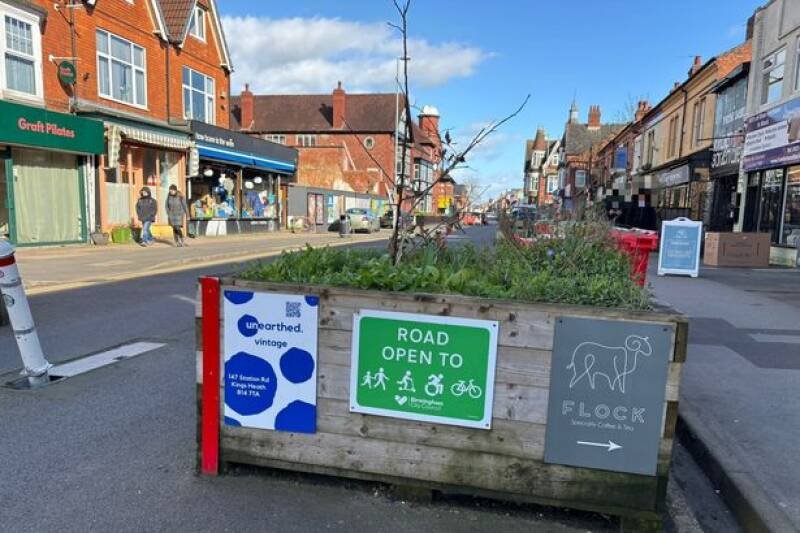



Birmingham's controversial Kings Heath LTN scheme is being reconsidered. We break down the challenges, the community impact, and what the future holds.
Birmingham City Council is revisiting its Low Traffic Neighbourhood (LTN) scheme in Kings Heath following significant community division and a formal challenge. This means the entire project, designed to reduce traffic and promote walking and cycling, will be scrutinized again, potentially leading to modifications or even its removal.
Low Traffic Neighbourhoods aim to create safer and more pleasant residential areas by preventing through traffic. This is usually achieved by installing bollards, planters, or other physical barriers on certain roads, forcing vehicles to use alternative routes. The idea is to make it easier and safer for people to walk, cycle, and enjoy their local streets. LTNs are becoming increasingly common in cities across the UK as councils try to meet climate targets and improve air quality.
The Kings Heath LTN, like many similar schemes, has sparked considerable debate. Supporters argue that it's improved air quality, reduced traffic congestion on residential streets, and created a more pedestrian-friendly environment. However, critics claim it has simply shifted traffic to other areas, creating bottlenecks and inconveniencing drivers. They also argue that it harms local businesses by making it harder for customers to reach them. The strength of feeling on both sides has been palpable, leading to heated discussions and organized campaigns for and against the scheme.
This reconsideration is significant for several reasons:
In our opinion, the key issue here is communication and consultation. While the intentions behind the LTN scheme are laudable – reducing pollution and encouraging active travel – the way it was implemented seems to have alienated a significant portion of the community. A successful LTN needs to be developed in close collaboration with residents and businesses, taking their concerns seriously and addressing them proactively. Without this buy-in, such schemes are likely to face resistance and ultimately fail to achieve their objectives.
We also believe that a thorough and independent evaluation of the Kings Heath LTN is crucial. This evaluation should consider a range of factors, including:
Only with a robust evidence base can the council make informed decisions about the future of the scheme.
The future of the Kings Heath LTN remains uncertain. Depending on the findings of the review, several outcomes are possible:
This could impact the value of property around the affected areas. A survey by a local estate agent has noted a general drop in value when an LTN is put in place. This is understandable as the roads become more complex to navigate and more time is needed for shorter journeys.
It is likely that this LTN change will continue to cause disagreement and debate for months to come. Regardless of the final outcome, it is clear that the Kings Heath LTN has raised important questions about how we plan our cities and how we balance the needs of different groups within the community. The challenge for Birmingham City Council is to find a way forward that is both effective and fair.